

Why does your dog lift his paw when he wants something? This calm gesture is usually a learned way dogs communicate requests without barking. Understanding it helps you respond clearly and keep everyday interactions stress-free.
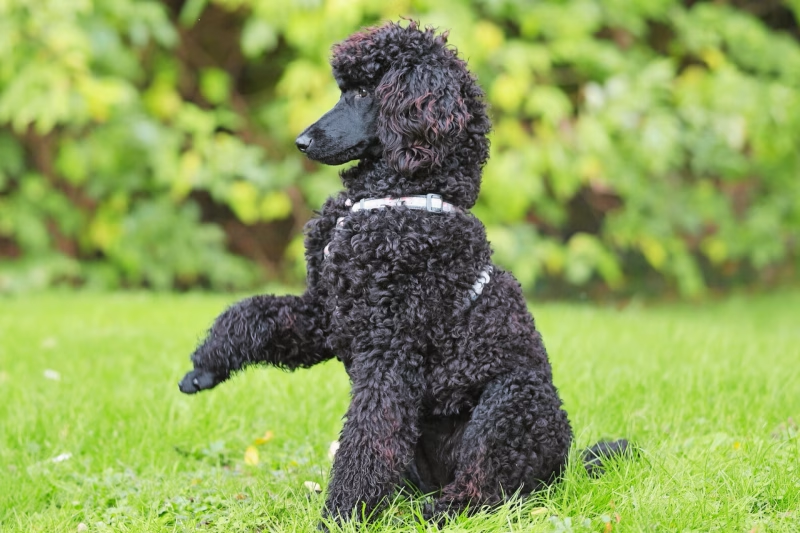
Why does your dog lift his paw when he wants something? This calm gesture is usually a learned way dogs communicate requests without barking. Understanding it helps you respond clearly and keep everyday interactions stress-free.

Constant paw licking in dogs is a sign of discomfort, stress, or irritation. Learn how to tell what’s causing it and how to respond gently.

Cat play and aggression can look similar, but the signals are very different. Learn how to read body language and behavior to protect your cats and reduce stress.

Separation anxiety in dogs is a stress response, not bad behavior. Discover the signs, common mistakes, and realistic solutions that help dogs cope with being alone.
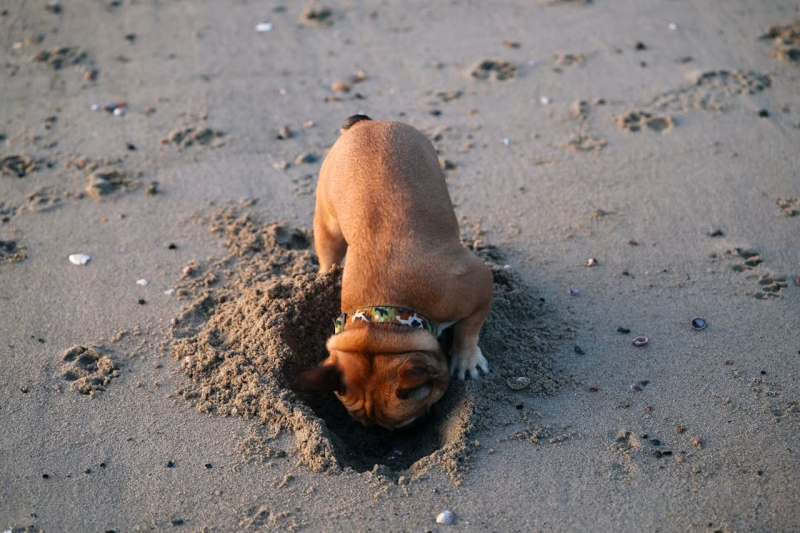
Why do dogs dig holes? This guide explains common causes like boredom, heat, and instinct, plus practical ways to reduce digging at home.
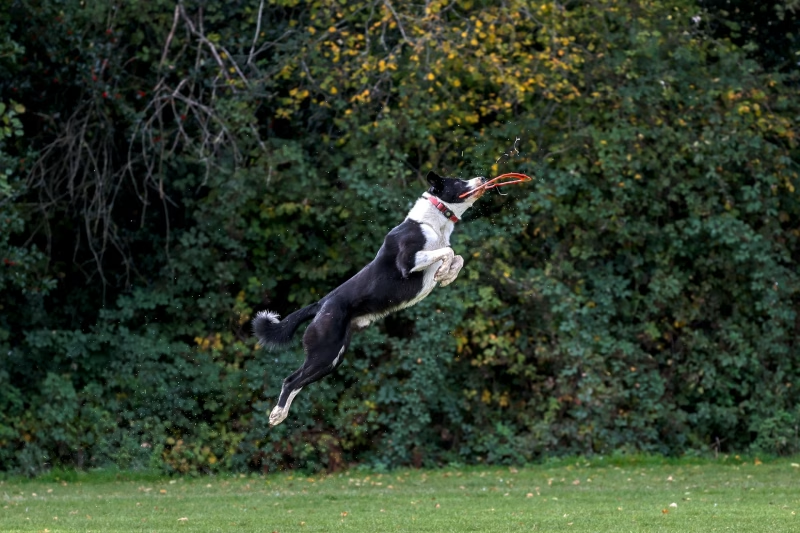
Easy-to-train dog breeds often seem ideal, yet their intelligence can create daily challenges. Learn what future owners should consider before choosing.
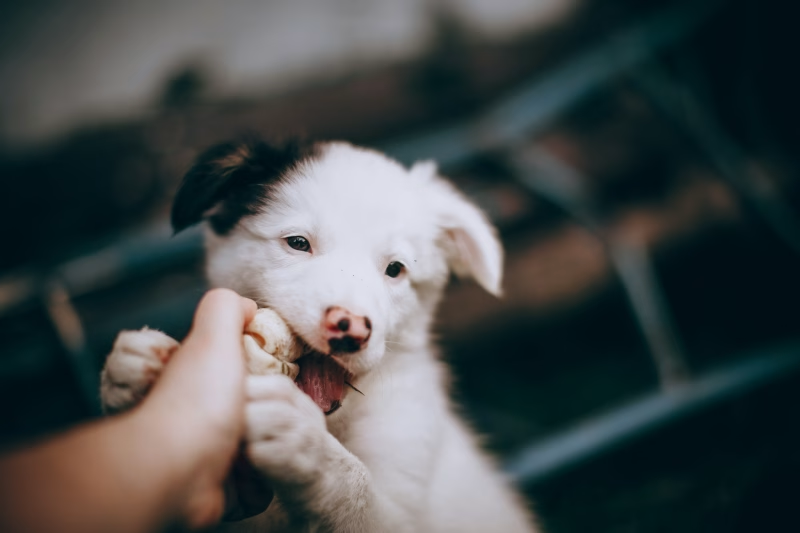
Puppy biting worries many new owners. Learn what biting behaviors are normal, why puppies do it, and how to stop it safely and effectively.

Behavior changes often signal boredom. Learn the most common signs your pet is bored and how under-stimulation affects dogs and cats.

Rabbits thump to communicate fear, stress, or warning. Discover what this behavior means and how owners should respond correctly.

A dog crying every night is not random behavior. Discover the emotional, medical, and environmental reasons behind nighttime whining and when to worry.