

Many dogs sleep facing the door or in the doorway because they like awareness, comfort, airflow, or routine. Learn 7 common reasons, warning signs, and practical ways to help.
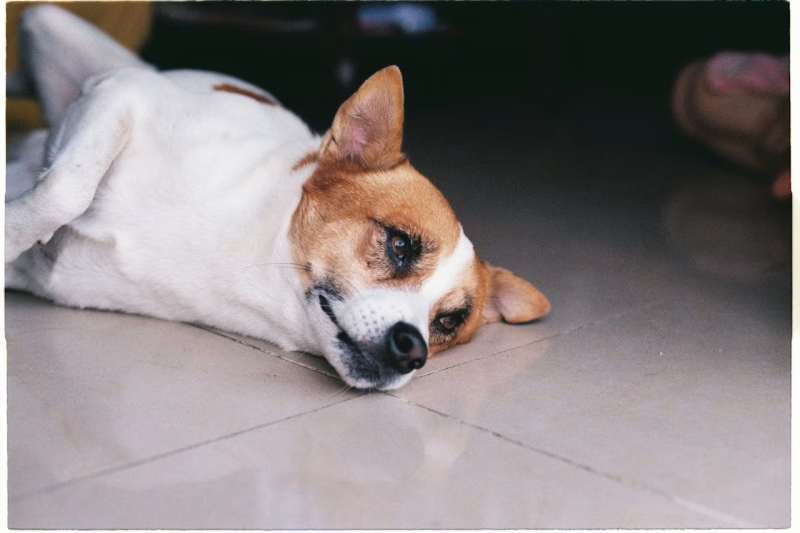
Many dogs sleep facing the door or in the doorway because they like awareness, comfort, airflow, or routine. Learn 7 common reasons, warning signs, and practical ways to help.
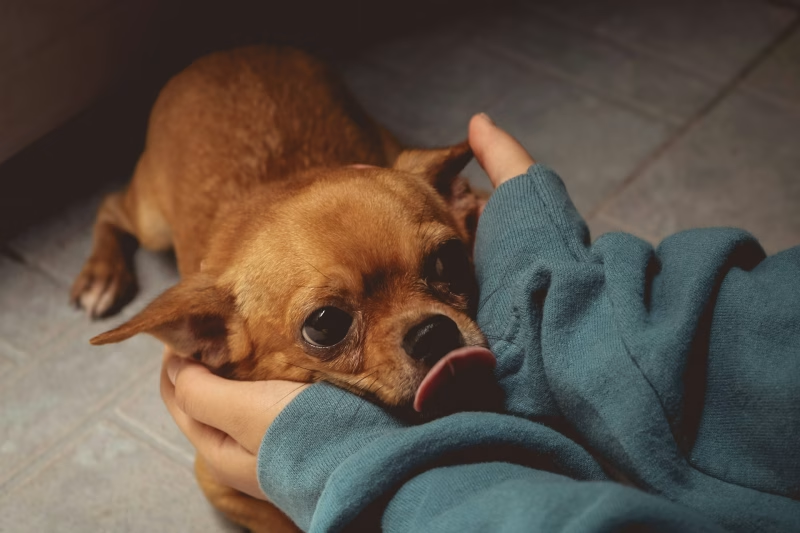
If your dog follows you everywhere, the behavior often comes from attachment, habit, curiosity, or routine. Sudden clinginess may also signal stress, boredom, aging changes, or discomfort. Learn what causes shadow behavior, how to build independence, and when to call a vet.
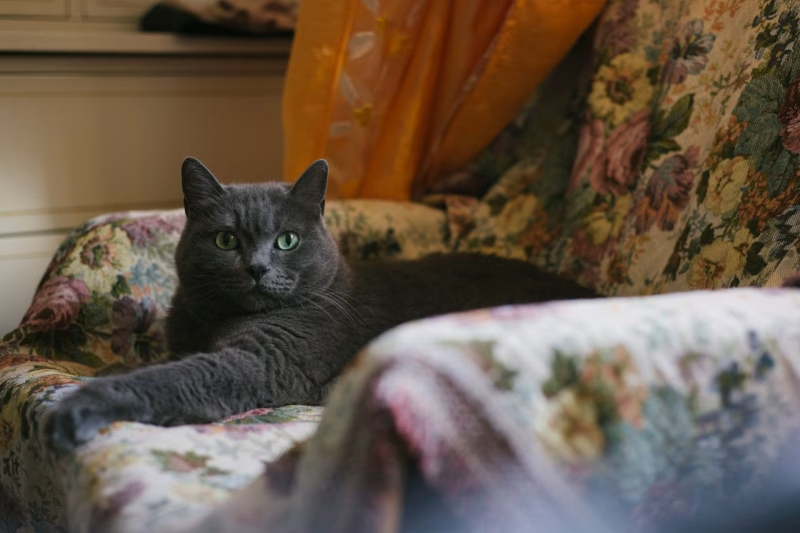
Chartreux and Russian Blue cats look similar, but they differ in behavior, personality, and daily needs. This guide explains how to tell them apart and choose the right cat for your home.
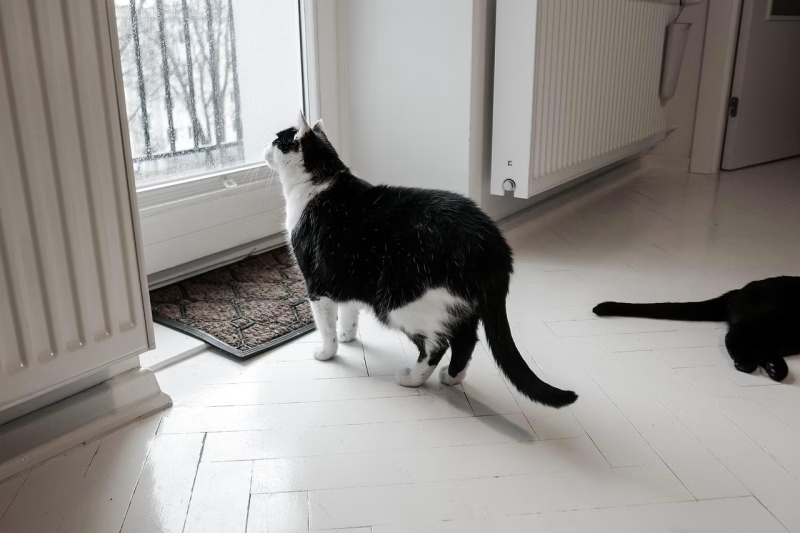
How long can a cat stay alone at home. This guide explains Sweden’s cat welfare rules, why daily supervision matters, and how routine, interaction, and enrichment support a cat’s wellbeing.
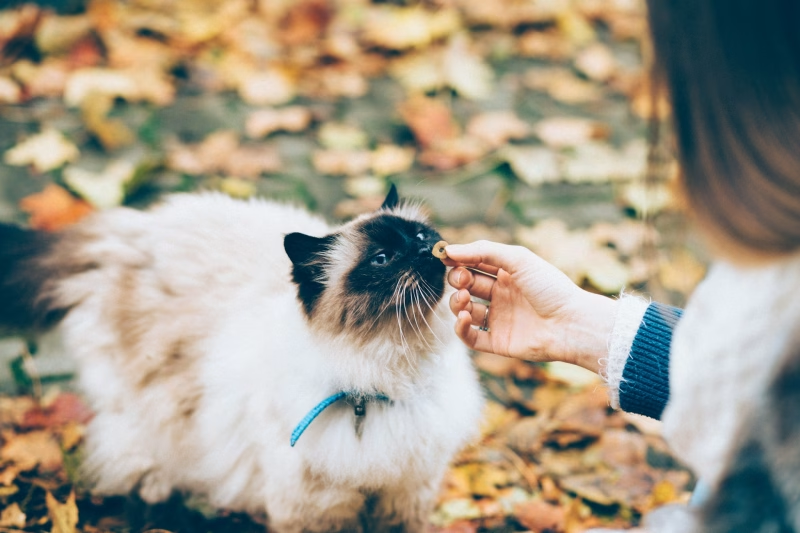
Many cat owners wonder whether their cat remembers them after a long absence. This guide explains how feline memory works, how cats recognize familiar people, and what everyday behaviors reveal about a cat’s ability to remember its owner.
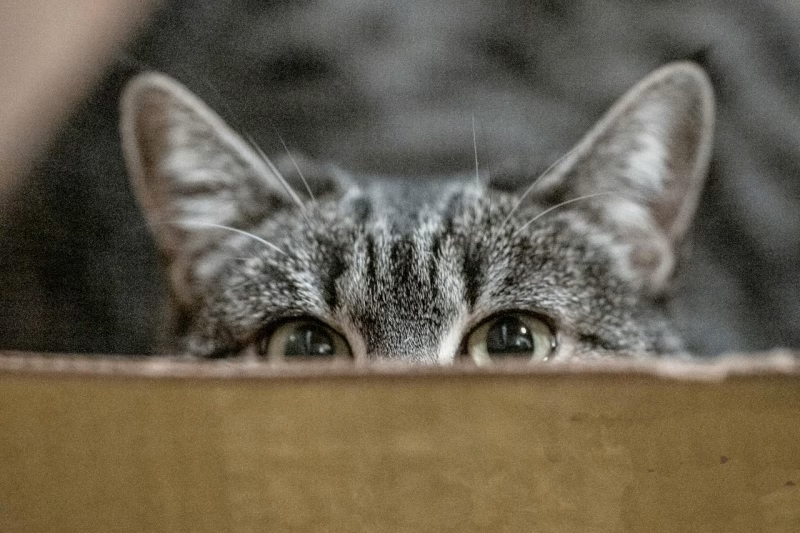
Many cats ignore soft beds and choose cardboard boxes instead. This guide explains why cats love boxes, how cardboard supports warmth and security, and where to place a box to reduce stress at home.

Do dogs watch TV when home alone? Learn whether leaving the television on helps reduce boredom or anxiety and how it affects your dog’s behavior.
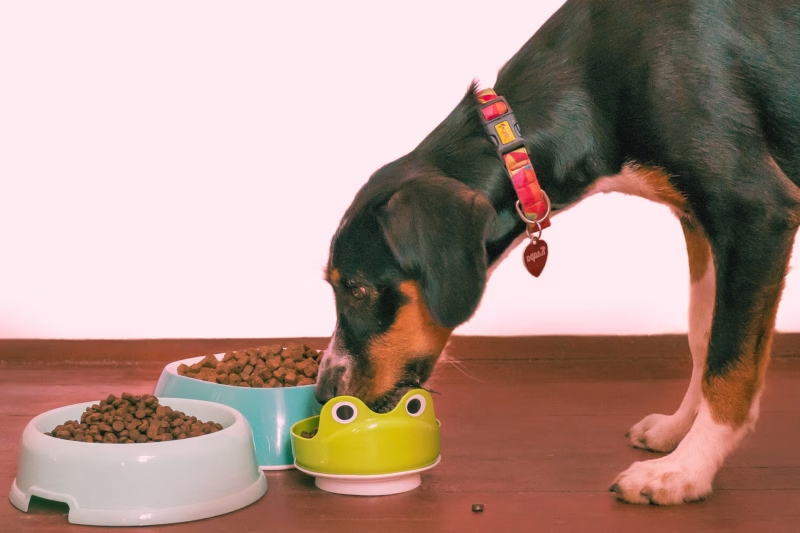
Your dog’s food does more than support physical health. Learn how nutrition affects mood, energy levels, focus, and daily behavior — and how small dietary changes can lead to a calmer, more balanced dog.

Cats are often labeled as cold or emotionless, leading many people to wonder if cats are psychopaths. This article explains what feline behavior really means and why cats communicate differently.
If your dog is acting clingy all of a sudden, it’s often a sign of stress, insecurity, or discomfort. This article explains the most common reasons behind sudden clingy behavior and how to respond in a way that supports your dog’s emotional well-being.