

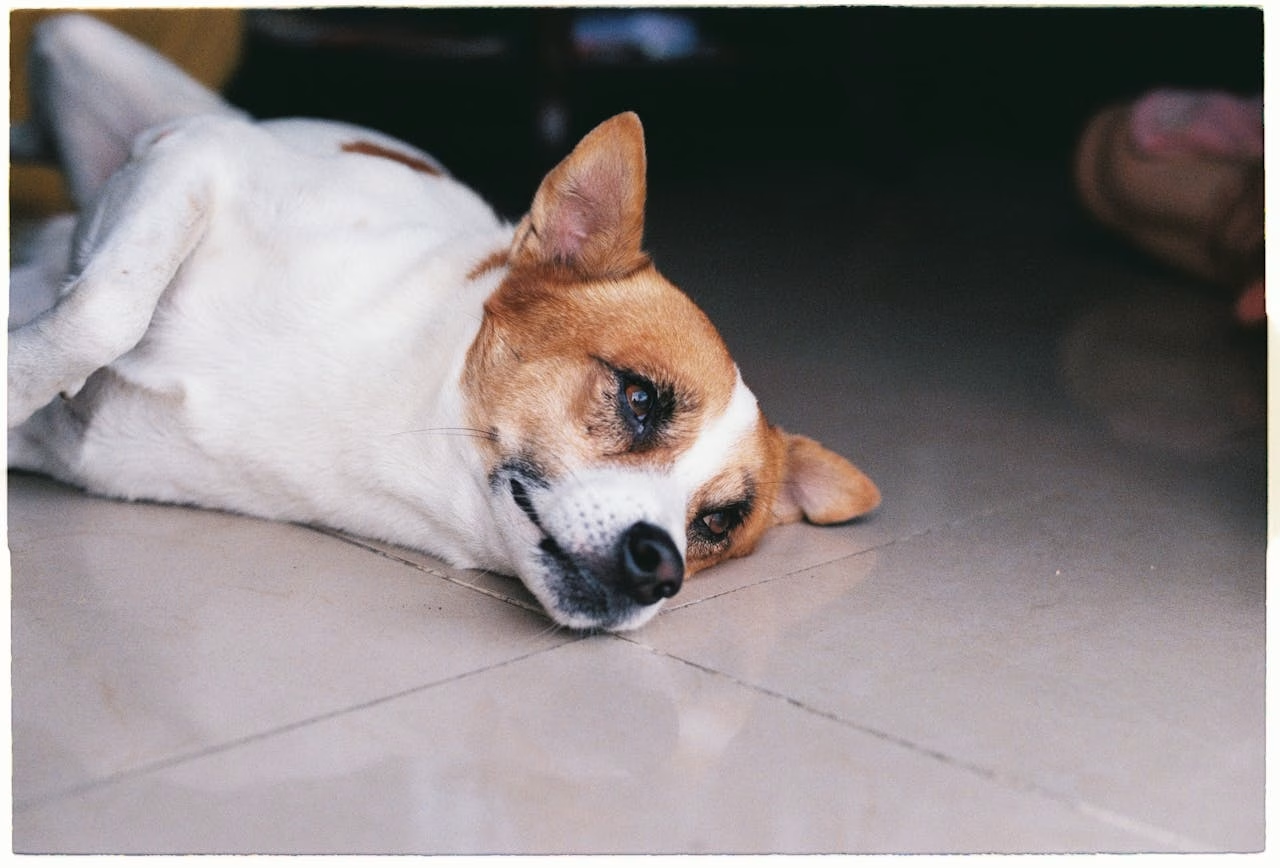
You turn off the lights, settle into bed, and notice your dog choose the same spot again. Instead of curling beside you, they lie near the bedroom entrance or rest with their body pointed toward the door. Some dogs even stretch across the doorway like they claimed the space on purpose.
This habit often looks mysterious, yet it usually has practical explanations linked to comfort, awareness, and routine.
Quick Answer
Dogs often sleep facing the door or in the doorway because they want to monitor movement, hear household sounds, stay in a cool spot, or rest where they feel secure. Many dogs also repeat places that became part of their routine. If this behavior starts suddenly with pacing, anxiety, pain signs, or poor sleep, it may need closer attention.
Why Dogs Sleep Facing the Door or in the Doorway
Facing the door and sleeping in the doorway are related but slightly different choices. A dog that faces the door may rest anywhere in the room while keeping the entrance in view. A dog that sleeps in the doorway chooses the actual threshold as a resting place.
Both behaviors often reflect how dogs respond to their environment. Doors bring movement, sound, airflow, and changes in routine. Because of that, many dogs pay attention to these areas naturally.
1. They Want to Monitor Activity
Dogs learn household patterns quickly. They know when family members walk through certain rooms, when someone returns home, and when bedtime usually changes into morning activity.
Sleeping while facing the door gives them a clear view of the place where movement is most likely to happen. Some dogs prefer this because they like to stay aware without needing to stand up each time they hear something.
This often appears in dogs that rest lightly and wake quickly when people move around the house.
2. The Doorway May Feel Cooler and More Comfortable
Many doorways have tile, wood, or laminate flooring that stays cooler than rugs or soft bedding. Air may also move more between rooms, especially near hallways, windows, or fans.
Dogs regulate comfort partly through where they lie down. A dog that feels warm may choose the doorway because the surface and airflow help them rest more comfortably.
If your dog prefers the doorway during warm weather, temperature may be the main reason rather than behavior concern.
3. They Feel More Secure With Visibility
Some dogs relax better when they can see open space around them. Instead of sleeping in the center of a room with activity behind them, they choose a spot that gives them visual awareness.
Facing the door can help these dogs feel settled because they can notice people entering or passing nearby. This does not always mean fear. In many cases, it simply reflects preference.
Dogs often show similar patterns by choosing corners, hallway edges, or spots near furniture where they can observe the room easily.
4. The Spot Became Part of Their Routine
Dogs repeat behaviors that work well. If your dog once slept by the doorway and felt relaxed there, the location can become their normal bedtime choice.
Routine matters because dogs value predictability. A familiar sleeping place can help them settle faster each night.
This is especially common in dogs that follow structured schedules for walks, meals, and sleep.
5. They Want to Stay Near You While Remaining Aware
Many dogs balance attachment with awareness. They want to remain close to their owner, yet they also want to notice household activity.
A bedroom doorway often gives them both advantages. They stay near you while keeping the room entrance in sight.
If your dog also follows you from room to room during the day, this pattern may reflect normal attachment behavior. You can read more about that here:
Why Does My Dog Follow Me Everywhere?
6. They Like the Busy Transition Zone
Some dogs simply enjoy high-traffic spots. Doorways carry scent changes, footsteps, and family movement throughout the day. That makes the area interesting and familiar.
Dogs that enjoy watching the household may choose the doorway because it keeps them connected to what is happening.
This can be more common in social, curious dogs that like observing people.
7. Stress, Discomfort, or Restlessness Can Influence the Choice
Sometimes a new doorway habit develops because the dog feels unsettled elsewhere. A bed may feel too warm, the room may seem noisy, or physical discomfort may make the old spot less appealing.
For example, a dog with mild stiffness may prefer firmer flooring. A dog that feels anxious may choose a place where they can monitor movement more easily.
When the behavior appears suddenly, look at the full picture rather than the doorway alone.
Facing the Door vs Sleeping in the Doorway, What Is the Difference?
Facing the Door
This usually relates to orientation and awareness. The dog rests somewhere comfortable while keeping the entrance in view.
In the Doorway
This usually relates more to location. The dog may prefer the surface, airflow, or traffic zone itself.
Some dogs do both at the same time. They lie in the doorway and face outward.
Do Certain Breeds Do This More Often?
Breed may influence general alertness, but no strong evidence shows that specific breeds consistently prefer sleeping facing the door.
Dogs bred for watchfulness or responsiveness may pay more attention to entrances, yet sleep location usually depends more on home layout, comfort, personality, and routine.
That means a relaxed mixed-breed dog may love the doorway, while a highly alert breed may ignore it completely.
What You Can Do If Your Dog Sleeps in the Doorway
If your dog looks calm and sleeps well, you may not need to change anything. If the spot causes blocked walkways, poor sleep, or concern, practical adjustments can help.
Offer a Better Alternative Nearby
Place a comfortable bed near the same area rather than moving it across the room. Dogs accept changes more easily when the new option keeps the benefits they already like.
Improve Comfort
If the doorway is cooler than the bed, try a breathable bed or move bedding away from heat sources.
Keep a Predictable Routine
Consistent evening walks, bathroom breaks, and quiet wind-down time often help dogs settle more easily.
Reward the New Spot
Guide your dog to the bed with treats or praise when they choose it voluntarily. Repetition helps create a new habit.
Do Not Force the Move
If you drag or repeatedly scold your dog away from the doorway, they may become more unsettled. Calm redirection works better.
Practical Step by Step Plan
- Watch where your dog sleeps for three nights in a row.
- Check room temperature, noise, and airflow.
- Place a bed near the preferred area.
- Reward calm use of the bed.
- Maintain the same bedtime routine for one week.
- Track whether your dog settles faster and sleeps longer.
This process helps you identify whether comfort or habit drives the behavior.
When to Worry About Doorway Sleeping
Sleeping by the door is usually normal. However, look closer if you notice any of these changes:
- Sudden new clinginess or shadowing behavior
- Pacing at night
- Frequent position changes
- Panting without heat or exercise
- Difficulty lying down or standing up
- Strong reactions to small sounds
- Reduced appetite or lower energy
- Poor sleep during the day and night
If your dog also became unusually attached, this guide may help:
Dog Acting Clingy All of a Sudden
If your concern relates to sleep setup, you can also read:
Could Boredom Play a Role?
Yes, sometimes restless dogs choose active areas because they stay mentally engaged there. If your dog lacks enrichment during the day, they may settle less deeply at night.
More walks, sniffing games, training sessions, and food puzzles can improve nighttime rest.
If your dog often watches movement and sounds when alone, you may also like:
Do Dogs Watch TV When Home Alone?
FAQ
Why does my dog sleep in the bedroom doorway every night?
Your dog may like the cool floor, the clear view, or the ability to stay close while monitoring activity.
Why does my dog face the door when sleeping?
Many dogs prefer to notice movement and sounds from the room entrance while they rest.
Is my dog guarding me by sleeping near the door?
Sometimes dogs stay aware of entrances, but many simply choose the most comfortable or familiar place.
Should I stop my dog from sleeping in the doorway?
Only if it blocks movement, disrupts sleep, or comes with stress signs. Otherwise, it is often harmless.
Can anxiety cause this behavior?
Yes, if it appears suddenly with pacing, hypervigilance, or poor settling.
Conclusion
Dogs sleep facing the door or in the doorway for practical reasons more often than dramatic ones. They may want visibility, cooler flooring, household awareness, or a familiar place that feels safe.
If your dog seems calm, rested, and comfortable, the habit is usually part of their personal sleep style. If the behavior changes suddenly or comes with restlessness, review the environment and speak with your veterinarian when needed.
This article is for educational purposes only and does not replace professional veterinary advice. If your pet shows persistent, severe, or unusual symptoms, consult a licensed veterinarian promptly.