

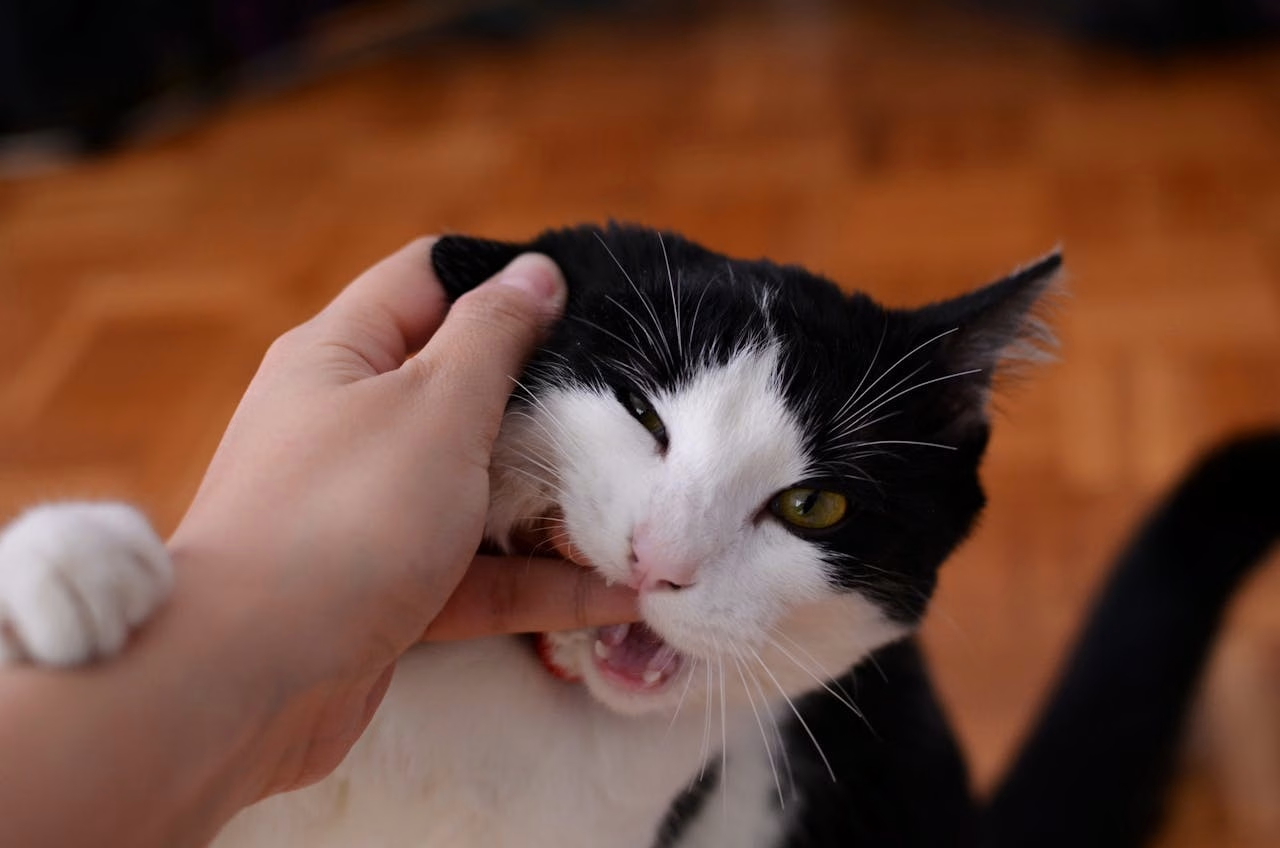
Petting a cat often begins as a calm, bonding moment. Your cat leans closer, purrs softly, and seems fully relaxed. Then, suddenly, a bite. Many owners describe this as unpredictable or moody behavior. In reality, it usually follows a clear pattern linked to overstimulation, when physical contact becomes uncomfortable rather than enjoyable.
Understanding this reaction helps prevent bites, lowers stress, and creates safer, more trusting interactions.
What overstimulation means in cats
Overstimulation occurs when repeated touch overwhelms a cat’s tolerance level. A cat’s skin contains many sensitive nerve endings. Each stroke sends signals to the brain. At first, those signals feel pleasant. After a while, they can feel irritating or intense.
When that limit is reached, the cat needs the contact to stop. Biting is rarely the first response. It appears only after earlier signals fail to work.
The body signals that come before a bite
Cats almost always warn before biting, but their signals are subtle. Many owners focus on purring and miss the early signs that discomfort is building.
The most common indicators include a tail that begins to flick instead of resting, ears turning sideways or flattening slightly, rippling skin along the back, or a sudden stiffening of the body. A quick head turn toward your hand often means the cat is very close to its limit.
Ignoring these signals increases the chance of a bite.
Why some cats bite faster than others
Tolerance for petting varies widely between cats. Some enjoy long sessions, while others prefer brief contact. This difference often depends on physical sensitivity, past experiences with handling, and the cat’s emotional state in that moment.
Stress, fatigue, noise, or discomfort can lower tolerance even in cats that are usually affectionate. This explains why a cat may react differently on different days.
Petting zones and bite risk (quick reference)
| Area touched | Typical response | Bite risk |
| Cheeks and chin | Usually relaxing | Low |
| Head and neck | Often well tolerated | Low |
| Upper back | Tolerance varies | Medium |
| Lower back / tail base | Often overstimulating | High |
| Belly | Defensive reactions common | Very high |
Many petting-related bites happen when hands move gradually from a safe zone into a sensitive one without the owner noticing.
Is biting during petting a form of aggression?
In most cases, no. This behavior is best understood as communication.
Petting-related biting usually happens during calm interaction, comes with visible warning signs, and stops when contact stops. True aggression often appears without petting, may involve chasing or repeated attacks, and is commonly linked to fear or pain.
Recognizing this difference prevents unnecessary punishment and improves outcomes.
Why punishment increases biting
Punishing a cat for biting teaches one lesson only: hands are unsafe. Over time, this reduces trust and shortens tolerance for touch. Some cats may stop giving warning signs altogether and bite more quickly.
Calm disengagement is far more effective than correction.
How to reduce biting during petting
The most reliable approach is to let the cat control the interaction and to stop before discomfort appears. Short, positive sessions build confidence and often increase tolerance over time.
Key habits that help:
- End petting at the first sign of tail or ear movement
- Focus on areas your cat consistently enjoys
- Pause briefly during petting instead of continuous stroking
This single adjustment prevents most petting-related bites.
What to do if your cat bites
If a bite occurs, stay calm. Freeze your hand for a moment, then slowly withdraw it. Avoid sudden movements or loud reactions. Allow the interaction to end naturally and give your cat space.
Resuming petting immediately often leads to another bite.
Can enrichment lower sensitivity to touch?
Yes. Cats that lack regular play and mental engagement may reach their tolerance limit more quickly. Daily interactive play, climbing opportunities, and a predictable routine help release energy and reduce overall tension. When those needs are met, petting tends to stay comfortable for longer.
When biting may signal a health problem
A sudden change in tolerance deserves attention. Pain can make touch uncomfortable, even in previously tolerant cats. Joint stiffness, dental discomfort, or skin irritation can all reduce patience for handling.
If biting during petting appears suddenly or worsens, a veterinary check is recommended.
Helping children interact safely
Children often miss early warning signs. Teaching them to stop petting when the tail moves, avoid the belly, and let the cat walk away protects both the child and the cat. Using toys instead of hands further reduces risk.
The bigger picture
Cats that bite during petting are not rejecting affection. They are setting boundaries. When those boundaries are respected, most cats become calmer, more predictable, and often more affectionate over time.
Understanding overstimulation turns a confusing behavior into a readable signal. It replaces frustration with clarity and helps create safer, more respectful moments of connection between you and your cat.
People Also Ask
Why do cats bite during petting?
Cats bite during petting because the sensation becomes uncomfortable after a certain point. This is called overstimulation. When earlier warning signs are ignored, biting becomes the cat’s way of stopping the contact.
Is it normal for cats to bite when being petted?
Yes, it is common. Many cats have a limited tolerance for touch. Biting during petting usually reflects communication rather than aggression.
How can you tell if a cat is overstimulated?
A cat nearing overstimulation may flick its tail, rotate or flatten its ears, tense its body, ripple the skin on its back, or turn its head toward the hand touching it.
Does purring mean a cat enjoys being petted?
Not always. Cats may purr while feeling tense or conflicted. Purring alone should not be used as the only sign that petting is welcome.
Where should you pet a cat to avoid biting?
Most cats tolerate petting best on the head, cheeks, and chin. The lower back, tail base, and belly are more likely to trigger biting.
Should you punish a cat for biting during petting?
No. Punishment increases stress and reduces trust. Calmly ending the interaction and respecting the cat’s limits is more effective.
Can health problems cause sudden biting during petting?
Yes. Pain or discomfort, such as joint issues or dental problems, can lower tolerance for touch. A sudden change in behavior should be checked by a veterinarian.
How do you stop a cat from biting during petting?
Stop petting before warning signs appear, keep sessions short, focus on areas the cat enjoys, and allow the cat to initiate contact whenever possible.
Related:
- Which Cats Truly Adapt to Apartment Living? Behavioral Traits That Matter Most
- The Way You Speak That Cats Love: Understanding Their Favorite Human Voice
- Winter Dog Walks: How to Walk Smarter When the Weather Gets Tough
- 10 Dog Breeds That Stay Calmer When Left Alone at Home
- Why Do Dogs Eat Grass? Normal Habit or Health Signal
3 thoughts on “Why Do Cats Bite During Petting? Understanding Overstimulation”