

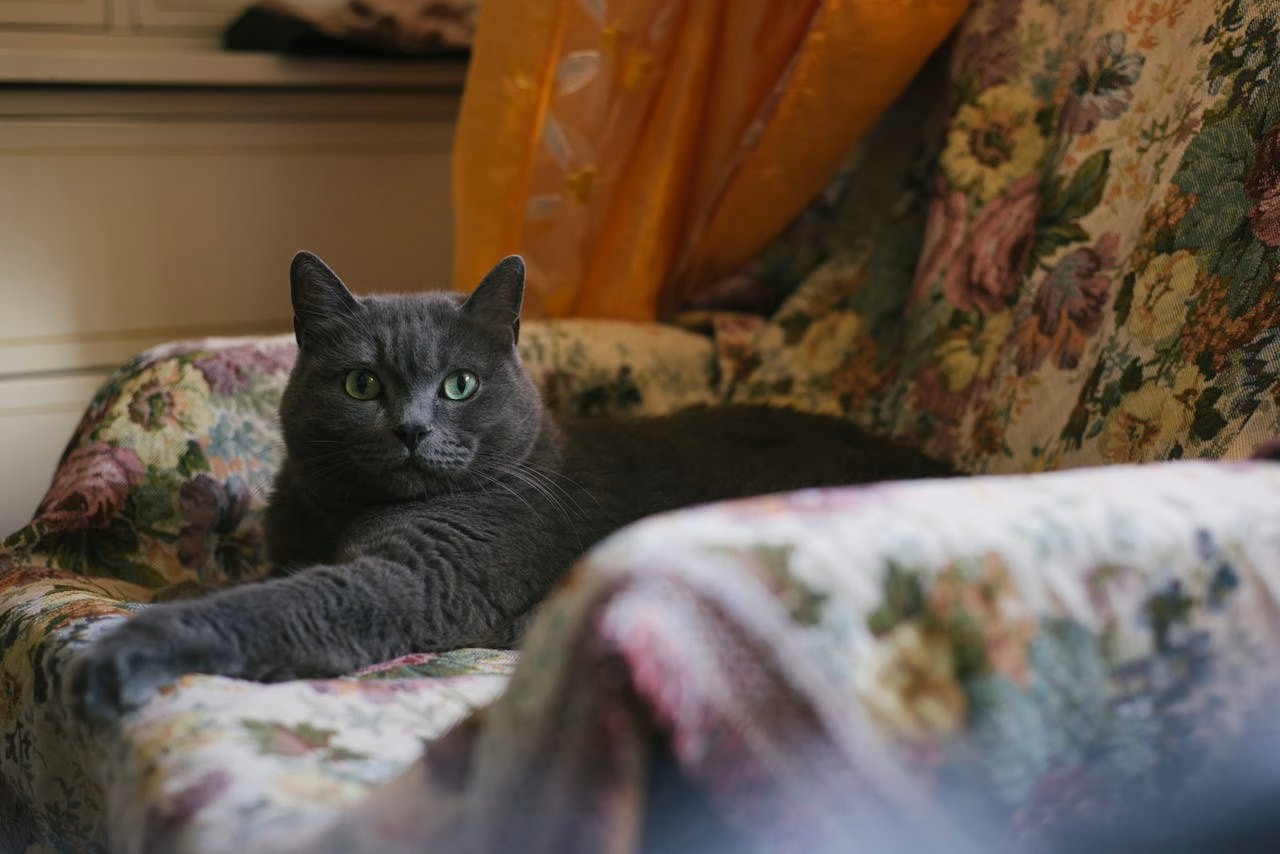
You visit a breeder or scroll through listings and see two cats that look almost identical. Both have a blue-gray coat, calm eyes, and a quiet presence. You hesitate because choosing the wrong breed may lead to mismatched expectations in behavior, care, and daily interaction.
Quick Answer
The Chartreux and the Russian Blue share a similar blue-gray coat, but they differ in body structure, personality, and daily needs. The Chartreux has a muscular build and a relaxed, adaptable temperament, while the Russian Blue is more slender, sensitive, and routine-oriented. These differences affect how each cat behaves at home and how you should care for them.
What Makes the Chartreux and Russian Blue Look Similar
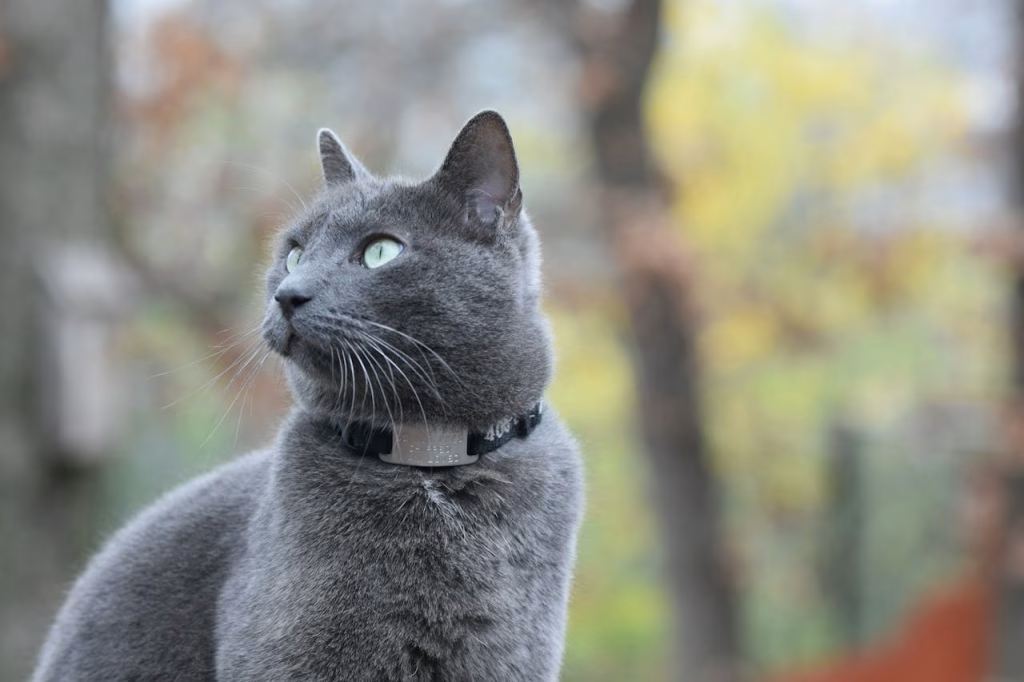
Both breeds display a dense blue-gray coat and a calm expression, which often leads to confusion. This visual similarity comes from coat color genetics rather than shared behavior patterns. As a result, many owners assume they will behave the same way, which often leads to mismatched expectations after adoption.
Key Physical Differences You Can Identify Quickly
Body Structure
The Chartreux has a robust, muscular body with broad shoulders and a solid frame. In contrast, the Russian Blue has a slender and elegant silhouette with long legs and a fine bone structure. This difference affects movement, as the Chartreux appears grounded while the Russian Blue moves lightly and quietly.
Face and Expression
The Chartreux has a rounded face with full cheeks and a subtle “smiling” expression. The Russian Blue shows a more angular face with prominent cheekbones and large ears, which creates a more alert and refined look.
Coat Texture
The Chartreux coat feels woolly and dense, which helps protect it in colder environments. The Russian Blue coat is soft and plush with a double layer that gives a silky texture. This difference affects grooming frequency and tactile sensitivity.
Behavior Differences That Affect Daily Life
Chartreux Temperament
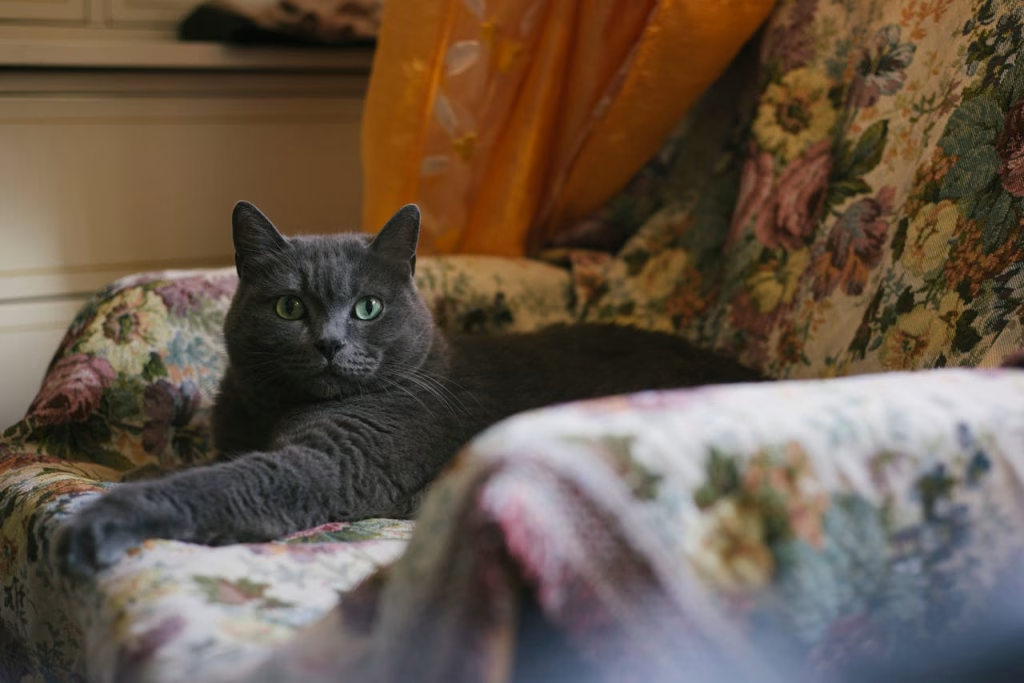
The Chartreux adapts easily to different environments and remains calm in most situations. It prefers quiet companionship and often follows its owner without demanding constant attention. As a result, it suits households with a stable routine but moderate interaction.
Russian Blue Temperament
The Russian Blue tends to be more sensitive to noise and environmental changes. It forms strong bonds with one person and may avoid strangers. This behavior reflects a need for predictability, which means sudden changes in routine can trigger stress or withdrawal.
What You Can Do to Choose the Right Breed
Match the Cat to Your Lifestyle
If your home includes frequent visitors or variable schedules, the Chartreux handles these changes better. If your environment remains quiet and structured, the Russian Blue thrives with consistent routines and minimal disruption.
Observe Behavior Before Adoption
Spend time with the cat in a neutral setting. Watch how it reacts to movement, noise, and interaction. A Chartreux usually stays relaxed, while a Russian Blue may observe from a distance before engaging.
Ask Targeted Questions
Request details about socialization, daily habits, and reactions to new environments. These answers provide insight into temperament, which matters more than appearance in long-term compatibility.
Common Mistakes to Avoid
Many owners rely only on coat color when identifying the breed. This approach leads to incorrect expectations about behavior. Others ignore the cat’s sensitivity level, which creates stress when the environment does not match the breed’s needs. Avoid rushing the decision based on appearance alone.
Practical Steps to Identify the Breed Accurately
- Check body shape first, look for a muscular build or a slender frame.
- Examine the face, rounded features indicate Chartreux while angular features suggest Russian Blue.
- Touch the coat gently, woolly texture points to Chartreux and silky plush texture indicates Russian Blue.
- Observe behavior in a calm setting, note how the cat reacts to new stimuli.
- Confirm lineage or documentation if available, especially when adopting from breeders.
When to Worry
If your cat shows signs of stress such as hiding constantly, refusing food, or avoiding interaction after a change in environment, this may indicate a mismatch between its temperament and surroundings. In this case, review environmental factors and consult a veterinarian if the behavior persists.
FAQ
Is the Chartreux more affectionate than the Russian Blue?
The Chartreux often shows steady and calm affection, while the Russian Blue forms deeper bonds with fewer people and may appear more reserved.
Which breed is easier for first-time owners?
The Chartreux usually adapts more easily to different environments, which makes it more suitable for beginners.
Do both breeds require the same grooming?
Both require low maintenance grooming, but the Chartreux’s dense coat may need slightly more attention during shedding periods.
Conclusion
The Chartreux and Russian Blue may look similar at first glance, but their differences shape daily life with each breed. Once you evaluate body structure, behavior, and environmental needs, you can choose a cat that fits your routine and avoids future stress for both you and the animal.
Related:
- How Long Can You Leave a Cat Alone? Understanding Sweden’s Cat Welfare Rules and What They Mean for Owners
- How Long Do Cats Remember Their Owners? Understanding Feline Memory
- How a Simple Cardboard Box Reduces Stress and Supports Natural Behavior in Indoor Cats
- Best Indoor Cat Toys That Keep Cats Active All Day