

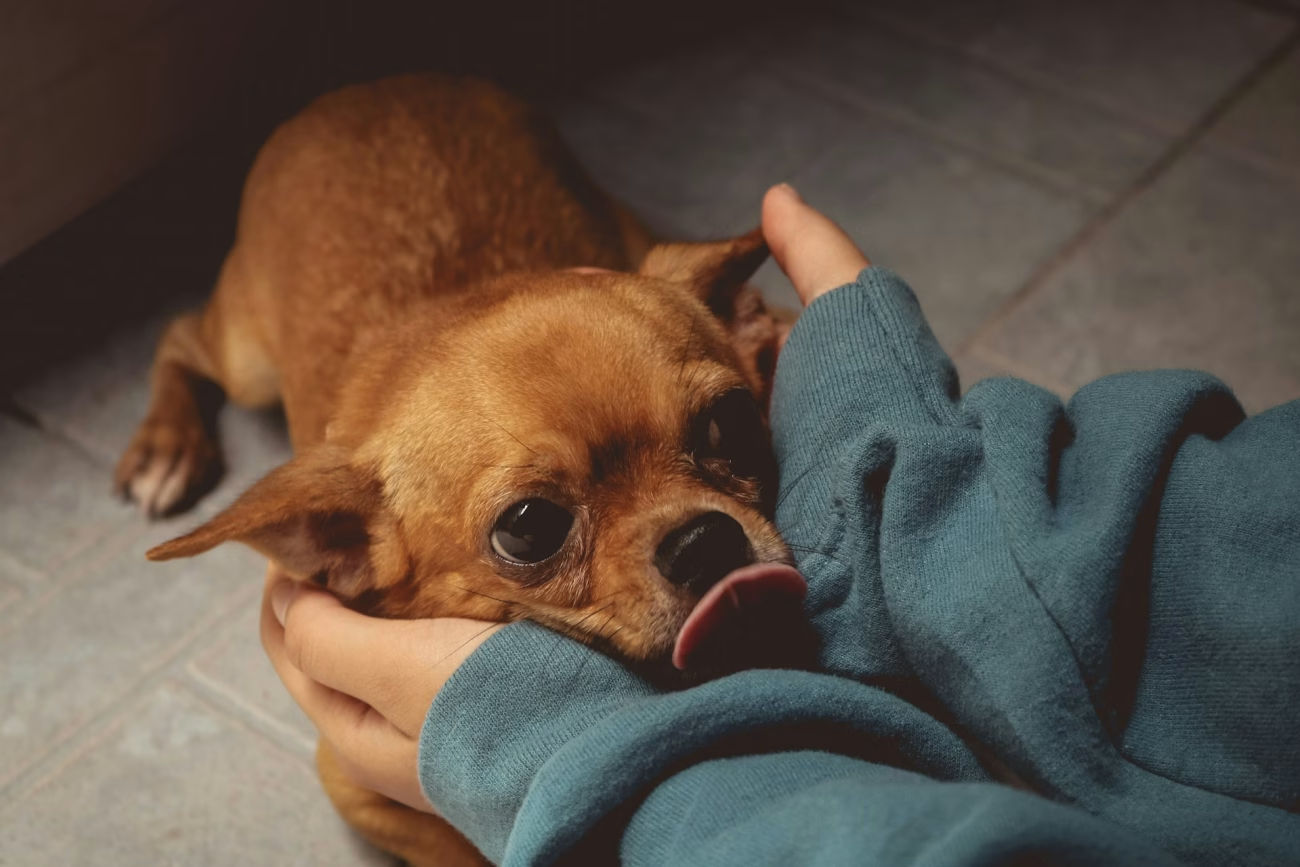
If your dog suddenly follows you everywhere, refuses to be alone, or becomes unusually needy, it can feel confusing, and sometimes overwhelming. Many owners find themselves asking the same question: why is my dog acting clingy all of a sudden? While dogs are naturally social animals, a sudden change in attachment often signals that something has shifted emotionally, physically, or environmentally.
This article explains the most common reasons behind sudden clingy behavior in dogs and how to support your dog without reinforcing anxiety.
Is Sudden Clinginess Normal in Dogs?
Some level of closeness is normal. Dogs bond strongly with their humans, and many enjoy staying nearby. However, when clinginess appears suddenly, intensifies quickly, or feels out of character, it’s usually a response to stress, insecurity, or discomfort.
The key is not the behavior itself, but the change.
Emotional Causes of Sudden Clinginess
Stress or Changes in Routine
Dogs thrive on predictability. Even small disruptions can make them feel unsettled. Changes such as a new work schedule, moving homes, guests staying over, or reduced walk time can trigger insecurity.
When routines shift, dogs may stick close to the person they trust most as a way to feel grounded.
Fear or a Recent Scare
A frightening experience can leave a lasting emotional impact. Loud noises, thunderstorms, fireworks, a fall, or an aggressive encounter with another dog may cause your dog to seek constant reassurance.
In these cases, clinginess is a coping mechanism, not bad behavior.
Separation Anxiety Developing or Worsening
Some dogs develop separation anxiety gradually, while others show sudden symptoms after a triggering event. Increased following, distress when you leave the room, or excessive excitement when you return home can all be early signs.
Clinginess may appear first, before more obvious behaviors like barking or destructive chewing.
Physical Reasons You Shouldn’t Ignore
Pain or Illness
Dogs often seek comfort when they don’t feel well. A dog in pain may follow you more closely, sleep near you, or avoid being alone. Arthritis, digestive discomfort, dental pain, or internal illness can all cause behavior changes before physical symptoms become obvious.
If clinginess is paired with appetite changes, lethargy, restlessness, or sensitivity to touch, a veterinary check is important.
Aging and Cognitive Changes
Senior dogs may become clingier due to reduced vision, hearing, or cognitive decline. When their world feels less predictable, staying close to you provides reassurance and orientation.
How Your Own Behavior Can Influence Clinginess
Dogs are highly perceptive. They pick up on changes in your mood, stress levels, and attention. If you’ve been anxious, distracted, or spending less time at home, your dog may respond by seeking more closeness.
It’s also easy to accidentally reinforce clinginess by constantly comforting or engaging when your dog shows anxious attachment.
How to Support a Clingy Dog Without Making It Worse
The goal is to provide security without dependence.
Start by keeping routines as consistent as possible. Regular feeding, walks, and rest times help dogs feel safe. Calm, structured play and mental stimulation can reduce emotional tension and redirect nervous energy.
Encourage gentle independence by rewarding relaxed behavior when your dog settles on their own. Avoid making arrivals and departures overly emotional. Staying calm sends a powerful signal that everything is okay.
If your dog seeks closeness, offer reassurance briefly, then guide them toward a comfortable resting place nearby rather than constant physical contact.
When to Seek Professional Help
You should consult a veterinarian or behavior professional if clinginess:
- Appears suddenly with no clear trigger
- Is accompanied by signs of pain or illness
- Escalates into panic when left alone
- Interferes with eating, sleeping, or normal routines
Early support prevents anxiety from becoming deeply ingrained.
Final Thoughts
So, why is your dog acting clingy all of a sudden? In most cases, it’s your dog’s way of communicating uncertainty, fear, or discomfort. Clinginess isn’t misbehavior—it’s information.
By responding with calm structure, consistency, and attentiveness to underlying causes, you can help your dog feel secure again without encouraging anxiety-driven dependence.
Sometimes, the neediest behavior is simply a request for reassurance—and understanding that makes all the difference.
Related:
- Why Is My Cat Suddenly Hiding? Understanding the Reasons and What to Do
- 10 Dog Breeds That Stay Calmer When Left Alone at Home
- Feeding the Winter King: 5 Essential Foods for Backyard Squirrels
- Penguins That Mate for Life: Myths and Truths About Loyalty in the Cold
- When Should You Call the Vet? A Simple Decision Guide
One thought on “Dog Acting Clingy All of a Sudden? Common Reasons and How to Respond Calmly”