

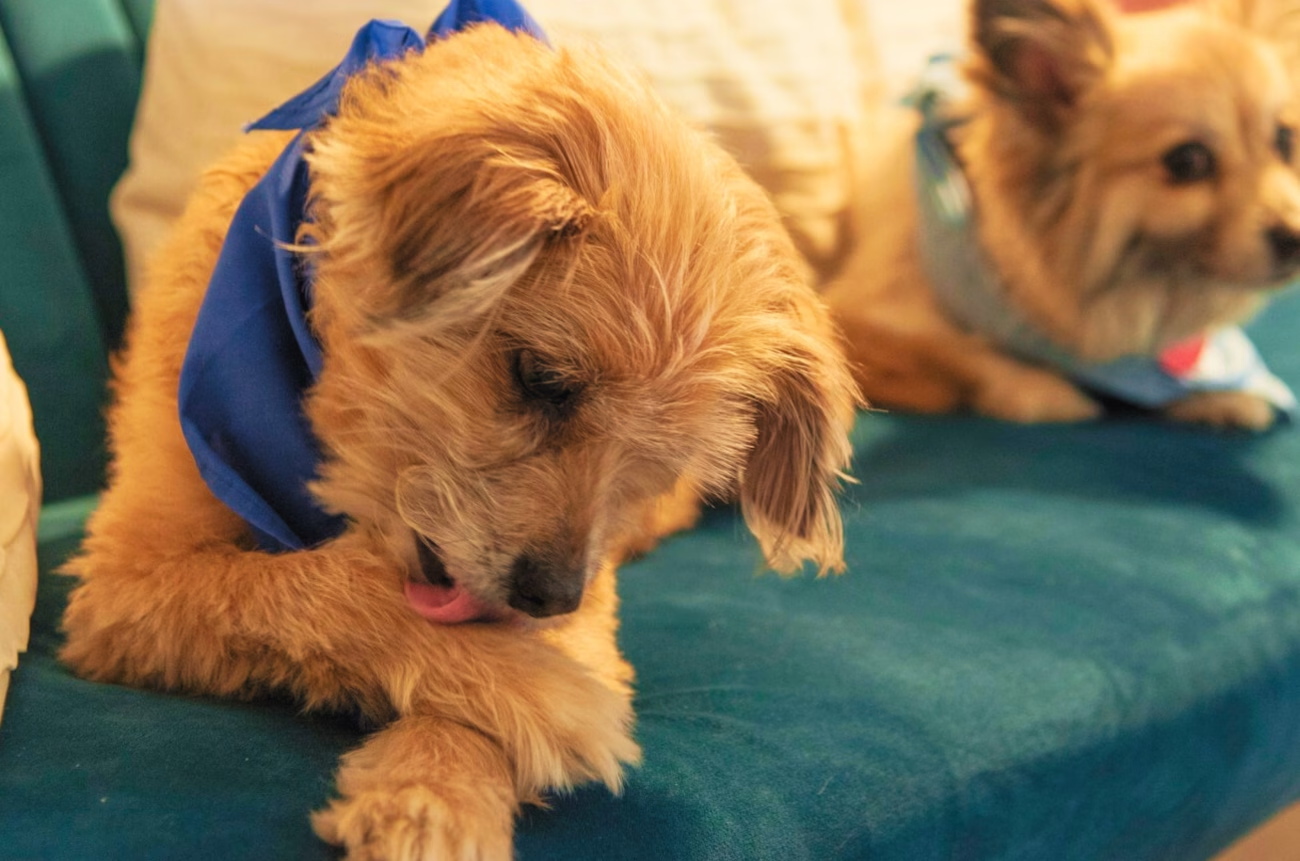
Occasional paw licking is normal for dogs. It helps with basic grooming and removing dirt after walks. But when paw licking becomes frequent, intense, or obsessive, it often signals that something is wrong, either physically, emotionally, or both.
Dogs don’t lick their paws “for no reason.” This behavior is communication. Understanding what your dog is trying to express is the first step toward helping them feel comfortable again.
When Paw Licking Becomes a Problem
A dog that licks their paws constantly may do so during rest, before sleep, or whenever they’re left alone. You might notice damp fur, redness between the toes, or a strong odor from the paws. Over time, excessive licking can lead to sores, hair loss, infections, and chronic irritation.
The key difference is repetition. Normal grooming is brief. Problematic licking is persistent and difficult to interrupt.
Physical Causes of Constant Paw Licking
Many cases of paw licking begin with physical discomfort.
Allergies
Environmental allergies are one of the most common causes. Pollen, dust mites, mold, and grass can trigger itching that concentrates on the paws because they’re in direct contact with the ground. Food sensitivities can also cause itchy paws, often alongside ear or skin issues.
Skin Irritation or Injury
Small cuts, cracked pads, burns from hot pavement, or irritation from road salt can cause immediate licking. Even minor injuries can become serious if repeatedly licked.
Infections
Yeast and bacterial infections thrive in warm, moist areas between the toes. These infections often cause redness, swelling, odor, and intense itching that drives constant licking.
Joint or Pain-Related Issues
Dogs sometimes lick areas near painful joints. Arthritis or soft tissue discomfort can lead to focused licking as a self-soothing response, even when the paw itself looks normal.
Behavioral and Emotional Reasons Dogs Lick Their Paws
Not all paw licking starts with physical pain. Emotional factors play a significant role.
Stress and Anxiety
Dogs under stress may develop repetitive behaviors, similar to nail-biting in humans. Changes in routine, separation anxiety, loud environments, or boredom can trigger paw licking as a coping mechanism.
Habit Formation
Once licking begins, especially if it initially relieved discomfort, it can turn into a habit. Even after the original cause resolves, the behavior may persist because it has become self-reinforcing.
Lack of Mental Stimulation
Dogs with insufficient daily engagement may lick out of boredom. This is especially common in intelligent or high-energy breeds whose needs are unmet.
How to Tell If It’s Medical or Behavioral
Look at patterns.
If licking increases after walks, during allergy seasons, or comes with visible redness or odor, a physical cause is likely. If it intensifies during alone time, stressful moments, or inactivity, emotional triggers may be involved.
Often, both overlap. A dog may start licking due to irritation and continue due to stress or habit.
What Not to Do
Ignoring constant paw licking rarely works. The behavior often escalates without intervention.
Avoid punishment or scolding. This increases stress and can worsen compulsive behaviors. Also avoid covering the paws without addressing the cause, this may trap moisture and worsen infections.
Gentle Ways to Help Your Dog
Start with observation. Check paws regularly for redness, swelling, odor, or foreign objects. Keep paws clean and dry after walks.
Increase daily mental and physical engagement. Short training sessions, interactive toys, and predictable routines reduce anxiety-driven behaviors.
If allergies are suspected, veterinary guidance is essential. Treating the underlying issue, whether environmental, dietary, or infectious, often resolves the licking naturally.
For anxiety-related licking, calm structure matters more than constant stimulation. Consistent schedules, rest periods, and quiet interaction help regulate emotional balance.
When to See a Veterinarian
If paw licking is constant, causes skin damage, or persists despite changes at home, professional evaluation is necessary. Chronic licking can mask infections, pain, or deeper behavioral stress that requires targeted support.
Early intervention prevents long-term skin damage and reduces the risk of compulsive habits becoming permanent.
What Your Dog Is Really Saying
Constant paw licking is not bad behavior. It is communication.
Whether your dog is uncomfortable, anxious, bored, or in pain, licking is their way of coping. Listening to that signal, and responding thoughtfully, helps restore comfort, confidence, and calm.
Healthy dogs don’t need to self-soothe through constant licking. When the underlying need is met, the behavior usually fades on its own.
FAQ:
Why does my dog lick their paws all the time?
Dogs lick their paws constantly due to allergies, skin irritation, infections, pain, stress, or boredom.
Is paw licking a sign of anxiety in dogs?
Yes. Repetitive paw licking can be a self-soothing behavior linked to stress, separation anxiety, or lack of mental stimulation.
Can allergies cause dogs to lick their paws?
Yes. Environmental and food allergies often cause itchy paws, leading to frequent licking.
Should I stop my dog from licking their paws?
Stopping the behavior without addressing the cause can increase stress. Identifying and treating the underlying issue is more effective.
When should I see a vet for paw licking?
If licking is constant, causes sores, redness, odor, or does not improve, veterinary evaluation is recommended.
Related:
- 10 Dog Breeds That Stay Calmer When Left Alone at Home
- DIY Sniffari: Build a Home Nose-Work Trail (Vet-Safe)
- How to Help Birds Survive Winter: Food, Water, and Shelter Tips
- Feeding the Winter King: 5 Essential Foods for Backyard Squirrels
- Penguins That Mate for Life: Myths and Truths About Loyalty in the Cold