

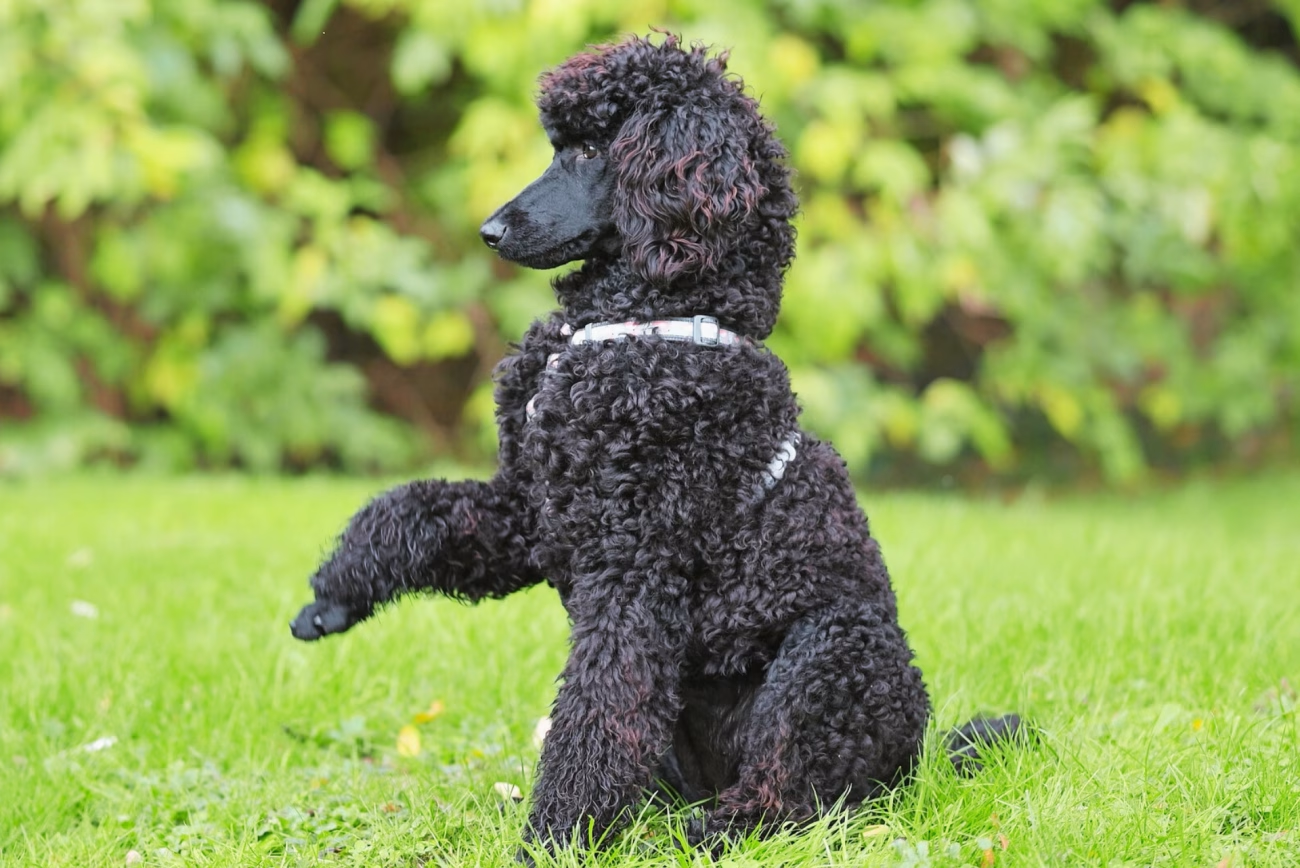
You notice it during quiet moments. Your dog looks at something he wants (food, a toy, the door) and slowly lifts one paw off the ground. He stays still. He watches you. He waits.
Many owners wonder what this means. Is it begging? Is it a trick? Is something wrong?
In most cases, this small gesture is a clear form of communication, and understanding it helps you respond in a way that keeps your dog calm and confident.
When a dog lifts his paw while looking at something he wants, it usually means he is asking calmly. This behavior develops as a learned form of communication that gets a response without barking or demanding attention.
What does it mean when a dog lifts his paw?
When a dog lifts his paw while looking at something he wants, he is usually asking quietly. This behavior often develops through everyday interactions with humans.
Your dog has learned that:
- Staying calm gets your attention
- Lifting a paw is noticed
- Waiting produces a response
Over time, the paw lift becomes a reliable signal. Your dog uses it when he expects you to understand.
Why dogs choose the paw instead of barking
Dogs try many ways to communicate. They keep the ones that work.
A paw lift often appears in dogs who have learned that barking or jumping does not bring good results. Quiet signals tend to feel safer and more effective, especially in calm households.
This behavior usually reflects:
- Anticipation
- Focus
- Emotional control
Your dog is engaged with you and waiting for feedback rather than demanding action.
Is paw lifting the same as begging?
The two behaviors look similar, yet they function differently.
Begging often includes movement, vocal sounds, and persistence. Paw lifting tends to stay still and deliberate. The dog pauses, observes, and waits.
This difference matters. A lifted paw usually shows expectation, not desperation.
Why only one paw?
Lifting one paw allows the dog to stay balanced while signaling uncertainty or hope. It works as a soft pause in movement. Many dogs use it when they are unsure what will happen next.
You may see it when your dog wants:
- Food
- A walk
- Access to another room
- Your attention
The paw goes up while the rest of the body stays calm.
When this behavior is normal
In most homes, paw lifting is harmless and healthy. It usually appears with relaxed body language and disappears once the dog gets a response.
You can consider it normal when your dog remains loose, calm, and responsive.
When paw lifting may signal stress
Context changes meaning.
If the paw lift appears with stiffness, frozen posture, or repeated hesitation, your dog may feel unsure. In these moments, the behavior reflects confusion rather than a request.
Clear cues, calm guidance, and predictable routines usually help reduce this uncertainty.
How should you respond?
Your response teaches your dog what this signal means.
Helpful responses include calm acknowledgment and consistency. If you always reward the behavior immediately, your dog will repeat it more often. If you respond clearly and predictably, the signal stays controlled.
Avoid reacting emotionally or randomly. Dogs learn fastest when outcomes stay stable.
Can you train or manage this behavior?
Yes. Paw lifting responds well to structure.
You can encourage it as a polite signal or guide your dog toward another calm behavior, such as sitting or waiting. Dogs adapt quickly when expectations stay clear.
What this behavior says about your dog
A dog who lifts his paw instead of demanding shows awareness and restraint. He trusts that communication works. He believes you are paying attention.
That quiet trust forms the base of a healthy human–dog relationship.
Final answer
When your dog lifts his paw while wanting something, he is usually communicating calmly and intentionally. He is waiting, watching, and asking in the way that has worked best in his world.
Understanding this signal helps you respond with clarity, avoid confusion, and strengthen everyday communication with your dog.
FAQ:
Why does my dog lift his paw instead of barking?
Many dogs learn that calm signals work better than noise. Lifting a paw helps them get attention without creating tension or excitement.
Is paw lifting a sign of good behavior?
In most cases, yes. It often shows patience, focus, and emotional control, especially when paired with relaxed body language.
Should I give my dog what he wants when he lifts his paw?
You can respond calmly, but consistency matters. Always rewarding the behavior immediately can increase how often it happens.
Can paw lifting mean stress?
Sometimes. If the behavior appears with stiffness or hesitation, your dog may feel unsure rather than expectant.
Related:
- When Should You Call the Vet? A Simple Decision Guide
- DIY Sniffari: Build a Home Nose-Work Trail (Vet-Safe)
- Feeding the Winter King: 5 Essential Foods for Backyard Squirrels
- Penguins That Mate for Life: Myths and Truths About Loyalty in the Cold
- Indoor Cat Enrichment That Reduces Biting and Scratching