

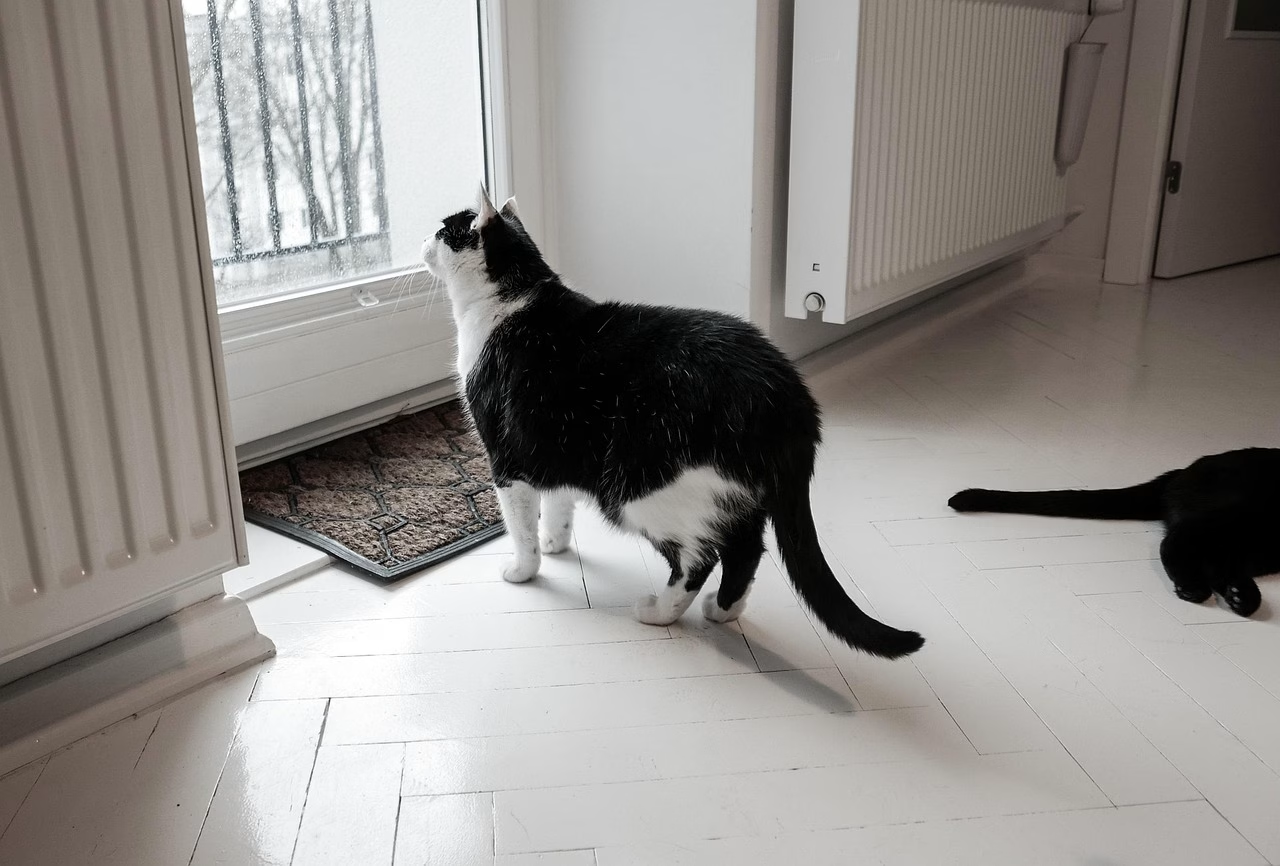
Many cat owners ask the same practical question, how long can a cat stay alone at home. In Sweden, animal welfare rules provide a clear guideline that helps answer this question. The Swedish animal welfare framework states that cats must not remain without supervision for long periods. Owners must check on their cat regularly and provide daily interaction and care.
Guidelines from the Swedish Board of Agriculture explain that a cat should be checked at least once every day. The owner must ensure access to food and water and observe the cat’s general condition. The guidelines also emphasize the need for regular social interaction and environmental stimulation because extended isolation can affect a cat’s wellbeing. These rules focus on responsible daily care and reflect what many behavior specialists already observe about cats and routine.
Quick Answer: How Long Can You Leave a Cat Alone According to Swedish Guidelines
In Sweden, cat welfare guidelines state that a cat should be checked at least once every day. Owners must make sure the cat has food, water, and a healthy environment. Regular human interaction and stimulation are also important. People sometimes summarize this idea by saying cats should be checked twice per day, yet the law itself focuses on daily supervision and ongoing care rather than a strict number of visits.
The main goal of these guidelines is simple. Cats should never remain alone for several days without supervision, contact, or monitoring.
Why Swedish Animal Welfare Rules Emphasize Daily Supervision
Sweden maintains strong animal welfare standards, and cats fall under these protections. The rules recognize that cats rely on humans for several essential needs. Food and water require monitoring. The litter area requires occasional cleaning. Changes in behavior can also signal that the environment or routine needs attention.
Daily supervision allows owners to notice small changes early. A cat that suddenly stops eating, hides more than usual, or becomes unusually restless may react to environmental changes. Regular observation helps the owner respond quickly and maintain a stable routine.
From a behavior perspective, daily contact also supports the social bond between the cat and its owner. Even independent cats build expectations around familiar human presence.
Do Cats Actually Need Daily Human Interaction
Cats often appear independent, yet research and everyday observation show that most cats benefit from regular human interaction. Domestic cats form social relationships with people who provide food, play, and a predictable routine.
When a cat experiences consistent interaction, it develops stable expectations. Feeding time, play sessions, and quiet contact all become part of the daily rhythm. This rhythm helps the cat feel secure in its environment.
When interaction disappears for extended periods, the routine breaks. Some cats respond by sleeping more or becoming withdrawn. Others show restless behavior and search the house more frequently. These responses often reflect a change in stimulation rather than a simple need for food.
What Happens When Cats Stay Alone for Long Periods
Short periods alone during the day usually cause little disruption for most adult cats. Many cats sleep or explore quietly while their owners work or run errands. The situation changes when the absence becomes longer than the cat’s usual routine.
Long isolation can influence several aspects of behavior. The cat may show reduced activity during the day, followed by increased nighttime activity when stimulation finally appears. Some cats vocalize more often when the owner returns. Others become more clingy and seek attention through rubbing, following, or sitting close.
These behaviors often indicate that the cat relies on predictable social contact. The Swedish guidelines reflect this understanding by encouraging daily observation and interaction.
How Daily Visits Help Maintain Cat Welfare
A daily check provides several practical benefits. The owner confirms that food and water remain available and that the cat uses the litter area normally. The visit also creates an opportunity for brief social interaction.
Even short contact helps maintain routine. Speaking calmly to the cat, offering a small play session, or providing gentle attention can reinforce the sense of normal daily activity. Cats quickly associate these moments with stability.
Daily visits also help maintain environmental awareness. A knocked water bowl, spilled food, or open window can change the environment quickly. Regular checks prevent these issues from lasting for long periods.
How to Keep a Cat Comfortable When You Are Away
Owners sometimes need to travel or remain away from home for longer periods. In these situations, planning helps maintain the cat’s routine. Many owners ask a trusted person to visit the home each day to check on the cat and provide interaction.
Environmental enrichment also supports the cat during quiet hours. Puzzle feeders, safe climbing areas, and rotating toys can encourage exploration and activity. These elements create small challenges that keep the cat mentally engaged.
Access to comfortable resting areas also matters. Cats prefer several resting spots with different temperatures and light levels. Window perches often provide visual stimulation through outdoor movement such as birds or passing people.
How Routine Shapes a Cat’s Sense of Security
Cats rely strongly on routine. Feeding times, sleeping locations, and daily interaction create predictable patterns. When these patterns remain stable, the cat navigates the home with confidence.
Daily supervision supports this stability. Even a short visit helps maintain familiar cues such as the sound of the door opening or the owner’s voice. These cues reinforce the structure of the cat’s day.
Changes in routine can still occur, yet gradual adjustments usually help the cat adapt more easily. For example, introducing a new feeding schedule slowly gives the cat time to adjust to the new pattern.
What Cat Owners Can Learn From Sweden’s Welfare Approach
The Swedish guidelines highlight a practical idea that applies to cat care everywhere. Regular supervision, daily interaction, and environmental enrichment all support a stable life for domestic cats.
Although many cats spend hours alone during the day, responsible ownership includes regular observation and engagement. Checking on the cat each day ensures that food, water, and behavior remain normal. Interaction provides stimulation and reinforces the social bond between the cat and its owner.
These principles align with how cats experience their home environment. Routine, familiarity, and predictable human presence help shape the daily rhythm that supports a cat’s comfort and wellbeing.
Related:
- How Long Do Cats Remember Their Owners? Understanding Feline Memory
- How a Simple Cardboard Box Reduces Stress and Supports Natural Behavior in Indoor Cats
- Best Indoor Cat Toys That Keep Cats Active All Day
- 10 Cat Breeds That Make Perfect Pets for Families and First-Time Owners
- How to Create the Ideal Garden for Your Cat: Safe, Stimulating, and Age-Appropriate Design