

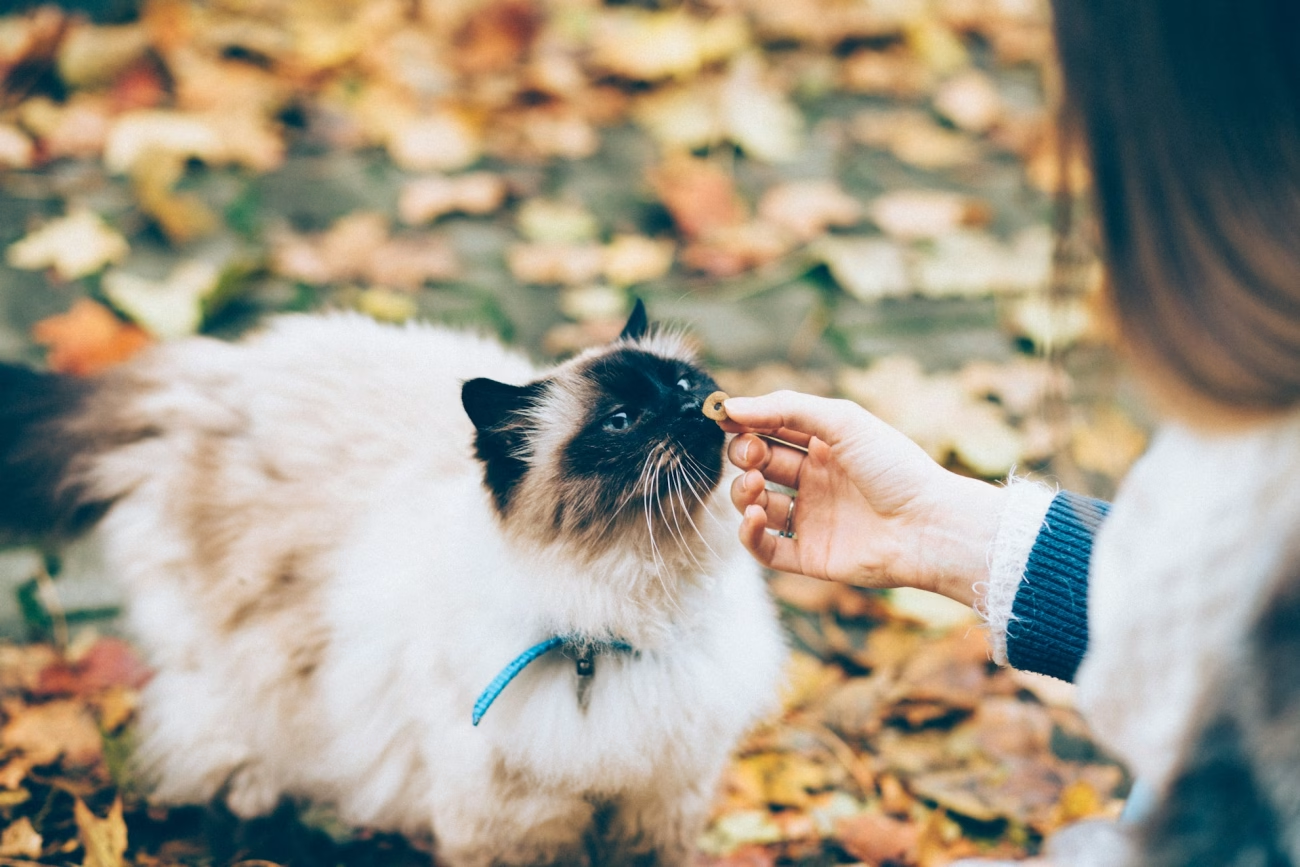
Many cat owners wonder whether their cat truly remembers them after long periods apart. The question appears simple, yet feline memory reveals a complex cognitive ability that researchers continue to explore. Evidence from behavioral studies and everyday observations suggests that cats can remember people, places, and experiences for long periods. Their perception of time differs from human perception, yet their memory allows them to maintain familiar bonds and routines.
Understanding how cats remember helps owners interpret everyday behaviors. It explains why a cat may recognize a person after months away, return to a favorite sleeping spot, or react strongly to past experiences. By looking at how feline memory works, cat owners gain clearer insight into their pet’s behavior and emotional responses.
Quick Answer: How Long Can Cats Remember Their Owners?
Cats can remember familiar people for years, especially when the relationship involves daily interaction, feeding routines, and positive experiences. Long term memory allows cats to associate individuals with safety, food, or comfort. Even after long separations, many cats recognize their owners through scent, voice, and familiar behavior patterns.
This ability explains why some cats show recognition when reunited with an owner after months or even years. Memory in cats develops through repeated experiences that create strong associations.
How Feline Memory Works
Short Term Memory in Cats
Short term memory allows cats to process recent events and immediate surroundings. Research suggests that cats can retain short term information for several minutes, which helps them navigate daily activities such as locating food, tracking moving objects, or remembering where they last saw a toy.
This short term system helps cats adapt quickly to changes in their environment. For example, a cat that watches a toy move under a piece of furniture often remembers the location and continues searching for it shortly afterward.
Long Term Memory and Learned Associations
Long term memory plays a larger role in everyday cat behavior. Cats build strong associations between experiences and outcomes. When a specific person regularly provides food, attention, or playtime, the cat stores that connection in long term memory.
These associations explain why cats remember feeding times, preferred resting spots, and familiar household routines. A cat may wait near the kitchen at a specific hour each day because repeated experiences created a strong memory pattern.
Do Cats Recognize Their Owners After Long Absences?
Many owners report that their cat recognizes them after extended separations. This reaction often appears through vocal greetings, body rubbing, or increased attention. Recognition depends largely on sensory cues that cats use to identify familiar individuals.
Scent plays a primary role in feline recognition. Cats rely heavily on smell, and each person carries a unique scent profile. When a familiar scent returns to the home, the cat quickly links it to past experiences stored in memory.
Voice and body language also contribute to recognition. A familiar voice pattern or walking style can trigger stored memories, which helps the cat reconnect with the person.
How Cats Perceive Time
Human perception of time relies on clocks, calendars, and schedules. Cats rely more on patterns of events. They learn the sequence of daily activities such as feeding, sleeping, and interaction with people.
This pattern based perception explains why cats often anticipate events. A cat may wait near the door before its owner arrives home or sit near the feeding area shortly before dinner time. The cat does not measure time in hours but recognizes the sequence of events that usually follows certain cues.
Routine strengthens memory. When feeding, playtime, and sleep follow consistent patterns, the cat develops strong expectations that guide daily behavior.
Signs That Your Cat Remembers You
Recognition often appears through clear behavioral signals. When a familiar person enters the home, many cats approach calmly or display social behaviors that show comfort and familiarity.
Rubbing against legs or furniture allows the cat to mix scents and reinforce social bonds. Some cats vocalize when greeting a familiar person, while others follow the person through different rooms. These reactions often reflect stored associations between the individual and positive experiences.
Memory also appears through routine behaviors. A cat that previously received treats from a specific person may approach that person at the usual location where treats were given. This behavior reflects a learned connection stored in long term memory.
Factors That Influence a Cat’s Memory
Frequency of Interaction
Regular interaction strengthens memory. Cats remember people they see daily more easily than individuals they meet only occasionally. Repeated experiences create stronger neural associations that last longer over time.
Emotional Experiences
Emotion strongly influences memory in many animals, including cats. Positive experiences such as gentle handling, feeding, and play create lasting associations. Negative experiences can also remain in memory and influence future reactions.
A cat that associates a person with calm interaction usually approaches that person more confidently in future encounters.
Environment and Routine
Stable environments help reinforce memory patterns. When a home environment remains predictable, cats rely on stored knowledge to navigate spaces and daily routines.
Major environmental changes can temporarily disrupt these patterns. Moving furniture or changing schedules may cause a cat to explore more cautiously until new routines become familiar.
How Owners Can Support Positive Memory and Bonding
Daily routines play a central role in strengthening the relationship between cats and their owners. Consistent feeding times, regular play sessions, and calm interactions help the cat form reliable associations.
Interactive play offers a strong bonding experience. When an owner regularly engages in play using toys that mimic prey movement, the cat connects that activity with the person providing the stimulation.
Gentle social contact also supports memory formation. Slow blinking, calm voices, and predictable behavior create a sense of safety that reinforces positive associations over time.
Why Understanding Cat Memory Helps Owners
Knowledge of feline memory helps owners interpret behavior more accurately. When a cat reacts strongly to certain people or locations, those reactions often reflect past experiences stored in memory.
This perspective encourages patience and consistency. Building positive experiences gradually shapes the associations that guide future behavior. Over time, these experiences form the foundation of the relationship between cats and their human companions.
Feline memory demonstrates that cats retain meaningful connections with their environment and the people who care for them. Through daily routines, repeated experiences, and sensory recognition, cats develop lasting memories that influence how they interact with the world around them.
Related:
- How a Simple Cardboard Box Reduces Stress and Supports Natural Behavior in Indoor Cats
- Best Indoor Cat Toys That Keep Cats Active All Day
- 10 Cat Breeds That Make Perfect Pets for Families and First-Time Owners
- 7 Simple Ways to Celebrate National Pet Day That Your Pets Will Actually Enjoy
- Do Dogs Watch TV When Home Alone? What It Means for Behavior and Anxiety