

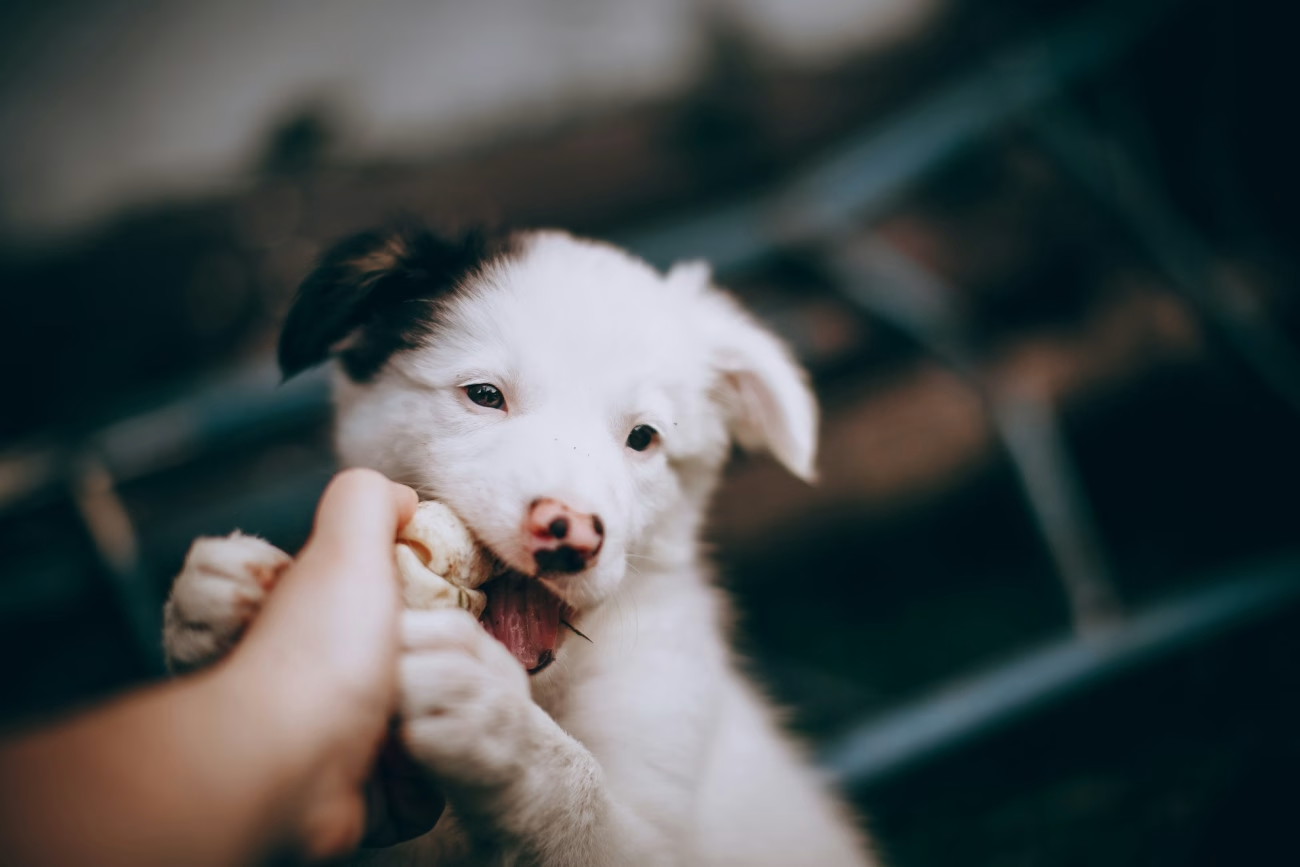
Puppy biting is one of the most common concerns for new dog owners. Tiny teeth, sharp nips, torn sleeves, and sore hands can quickly turn excitement into worry. Many people ask the same question: Is this normal, or is something wrong?
The short answer is reassuring. Puppy biting is a normal part of development. The important part is understanding why it happens, when it becomes a problem, and how to guide your puppy toward gentler behavior without fear or punishment.
Why Puppies Bite in the First Place
Puppies explore the world with their mouths. Just like human babies use their hands, puppies use their teeth. Biting serves several purposes during early life.
Teething plays a major role. Between roughly three weeks and six months, puppies lose their baby teeth and grow adult ones. This process causes gum discomfort, which makes chewing feel relieving.
Biting also appears during play. Puppies learn social skills through mouthing littermates. When they bite too hard, the other puppy yelps or stops playing. This feedback teaches bite control.
Finally, excitement and frustration trigger biting. A tired or overstimulated puppy often bites more, not less.
What Type of Puppy Biting Is Normal
Normal puppy biting has clear patterns. It usually happens during play, bursts of excitement, or when the puppy is tired. The bites may sting but do not come with growling, stiff posture, or fear.
You may notice:
- Nipping hands during play
- Chewing clothes or shoelaces
- Grabbing fingers when excited
- Increased biting in the evening
This behavior peaks between two and five months of age and improves as puppies mature and learn boundaries.
When Puppy Biting Needs Attention
Some signs suggest the need for closer guidance. If biting becomes intense, frequent, or paired with tension, it deserves careful handling.
Watch for repeated hard bites that break skin, growling with stiff body language, or biting that happens outside play or excitement. These signs do not mean your puppy is aggressive, but they do mean the puppy needs structured support.
Early guidance prevents habits from forming.
Why Punishment Makes Biting Worse
Yelling, hitting, or using physical corrections may stop biting in the moment, but they often increase fear and confusion. Puppies do not learn what to do instead through punishment.
Fear-based responses can lead to avoidance, anxiety, or defensive behaviors later in life. Effective training focuses on redirection, consistency, and calm communication.
How to Reduce Puppy Biting Step by Step
1. Teach Bite Inhibition
When your puppy bites too hard, pause interaction. A brief, calm stop teaches that rough play ends the fun. Resume only when the puppy settles.
Consistency matters more than intensity. Over time, puppies learn to soften their mouth.
2. Redirect to Appropriate Chewing
Always have suitable chew toys available. When your puppy aims for hands or clothes, calmly redirect to a toy. This teaches what is acceptable to bite.
Rotate toys to maintain interest and choose textures that soothe teething gums.
3. Manage Energy and Rest
Overtired puppies bite more. Ensure your puppy gets enough sleep throughout the day. Short naps prevent overstimulation and reduce evening biting bursts.
Mental enrichment also helps. Simple training games, sniffing activities, and gentle exploration tire the brain in healthy ways.
4. Use Calm Play Styles
Rough hand play encourages biting. Use toys for tug and fetch instead of hands. Calm, predictable play reduces overexcitement and improves self-control.
How Long Does Puppy Biting Last
Most puppies outgrow biting as teething ends and impulse control improves. This usually happens between five and seven months of age when guidance remains consistent.
Progress does not happen overnight. Improvement comes gradually, with fewer hard bites and faster calming after redirection.
Patience and repetition shape behavior far more effectively than force.
When to Seek Professional Help
If biting feels intense, unpredictable, or stressful despite consistent training, seeking help is a responsible step. A qualified trainer or behavior professional can assess triggers and guide you safely.
Early support prevents small issues from becoming long-term challenges.
Final Thoughts
Puppy biting is not a sign of a bad dog or poor ownership. It reflects normal development, learning, and communication. With clear boundaries, appropriate outlets, and calm guidance, puppies learn to control their mouths.
For Pawlore readers, puppy biting is a reminder that behavior is communication. When you understand the message, you can respond in ways that build trust, safety, and a strong bond that lasts well beyond puppyhood.
Related:
- Winter Dog Walks: How to Walk Smarter When the Weather Gets Tough
- Signs Your Pet Is Bored (And How Behavior Changes)
- Dog Dental Care Basics: Bad Breath, Tartar, and What Helps
- The 3-3-3 Rule for Dog Adoption: What to Expect and How to Help Your New Dog Adjust
- Why Do Cats Bite During Petting? Understanding Overstimulation
One thought on “Puppy Biting Explained: What’s Normal and How to Stop It”