

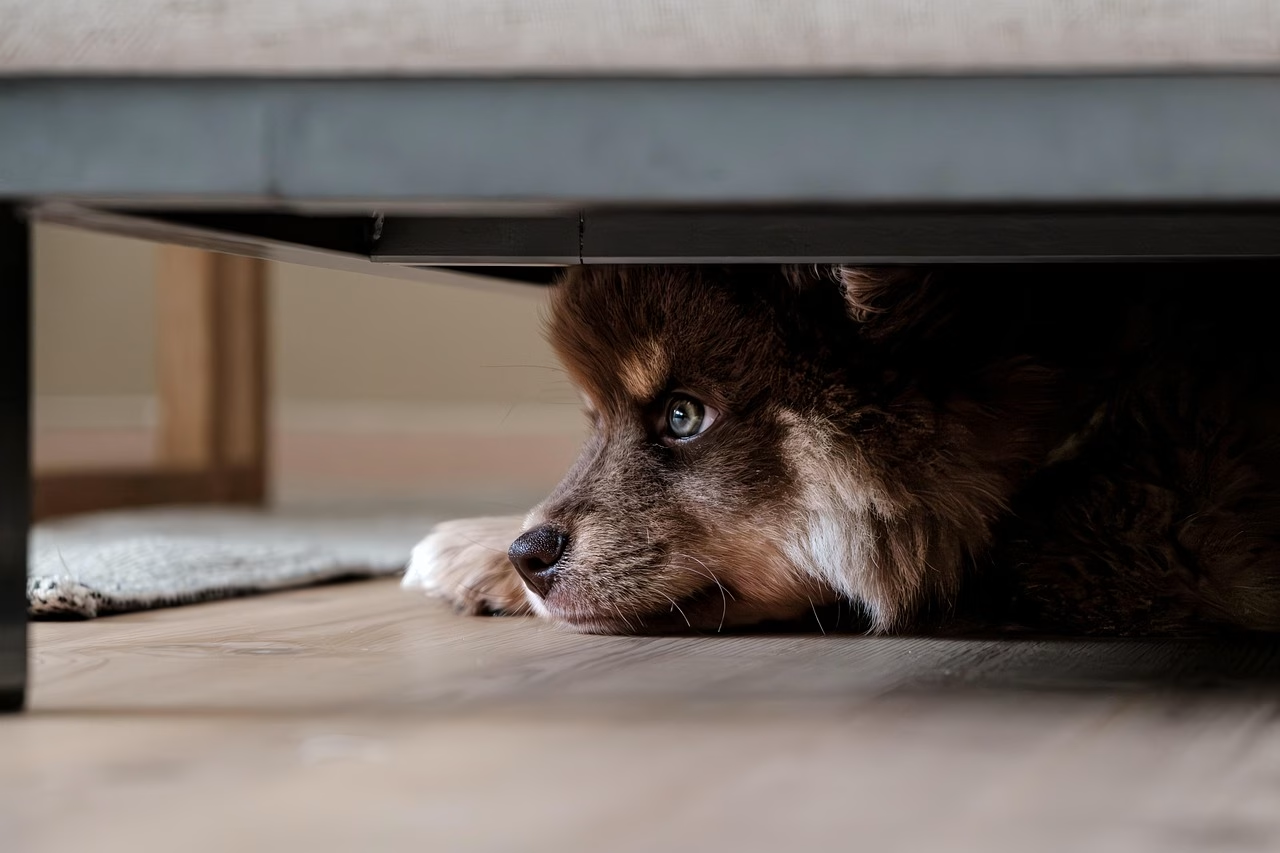
Separation anxiety is one of the most misunderstood behavioral issues in dogs. It is often labeled as disobedience, stubbornness, or poor training, when in reality it is a genuine emotional distress response. Dogs with separation anxiety are not trying to misbehave. They are struggling to cope with being left alone.
Understanding the signs, avoiding common mistakes, and applying realistic solutions can make a significant difference for both dogs and their owners.
What Is Separation Anxiety in Dogs?
Separation anxiety occurs when a dog experiences intense stress or panic when separated from their owner or primary attachment figure. This condition is rooted in fear and insecurity, not dominance or lack of discipline.
It can affect dogs of all ages and backgrounds, including puppies, adult dogs, rescues, and even dogs that have lived in stable homes for years. Changes in routine, moving homes, loss of a family member, or sudden increases in alone time can all trigger it.
Common Signs of Separation Anxiety
The most noticeable signs usually appear shortly after the owner leaves. Excessive barking or howling is one of the most frequent indicators, especially when it happens consistently and only during absences.
Destructive behavior is another key sign. Dogs may chew doors, scratch windows, damage furniture, or attempt to escape. This destruction is often focused around entry points rather than random objects.
Some dogs show signs of panic through inappropriate urination or defecation, even if they are fully house-trained. Others may pace continuously, drool excessively, or refuse to eat when left alone.
In more severe cases, dogs may injure themselves while trying to escape or show signs of depression and withdrawal when the owner returns.
Mistakes That Make Separation Anxiety Worse
One of the most common mistakes is punishment. Scolding a dog for damage or noise caused by anxiety only increases fear and insecurity. The dog associates the owner’s return with anger rather than relief.
Another mistake is making departures and arrivals emotionally intense. Long goodbyes, dramatic reassurances, or excited greetings reinforce the idea that separation is a major event.
Many owners also underestimate the problem and hope it will resolve on its own. In most cases, untreated separation anxiety becomes more severe over time.
Providing constant companionship without teaching independence can also backfire. Dogs that never learn to be alone struggle the most when separation eventually happens.
Realistic and Effective Solutions
The foundation of improvement is gradual independence. Dogs need to learn that being alone is safe and temporary. This process takes time and consistency.
Short absences are key. Leaving for a few seconds or minutes and returning calmly helps dogs build tolerance. Over time, these absences can be slowly extended.
Creating positive associations with alone time is equally important. Special toys, food puzzles, or treats that are only given when the owner leaves can help shift the dog’s emotional response.
Environmental management also matters. A calm, predictable routine reduces anxiety. Providing a comfortable resting area and minimizing external triggers such as loud noises can help some dogs settle.
Mental and physical enrichment before departures can reduce anxiety levels. A dog that has had appropriate exercise and mental stimulation is often better able to relax.
In moderate to severe cases, professional help is essential. Certified trainers or veterinary behaviorists can design structured desensitization plans. In some situations, veterinary guidance and medication may be necessary to support the learning process.
Patience Is Part of the Solution
Separation anxiety is not resolved overnight. Progress is often gradual, with small improvements building over weeks or months. Setbacks can happen, especially after changes in routine.
What matters most is consistency, calm leadership, and realistic expectations. With the right approach, many dogs learn to cope with separation and regain emotional stability.
A Better Understanding Leads to Better Outcomes
Separation anxiety is not a failure of training or character. It is a stress response that requires understanding, not punishment. By recognizing the signs early, avoiding harmful mistakes, and applying proven strategies, owners can help their dogs feel safe, secure, and confident even when left alone.
Addressing separation anxiety improves not only behavior but also the quality of life for dogs and the people who care for them.
Related:
- How Much Mental Stimulation Does a Pet Need Each Day?
- 10 Dog Breeds That Stay Calmer When Left Alone at Home
- The 3-3-3 Rule for Dog Adoption: What to Expect and How to Help Your New Dog Adjust
- DIY Sniffari: Build a Home Nose-Work Trail (Vet-Safe)
- How to Build a Foraging Box for Your Parrot (Easy DIY)
One thought on “Separation Anxiety in Dogs: Signs, Mistakes, and Real Solutions”