

Cats are often seen as calm, independent animals, but they are also highly sensitive to changes in their environment. Anxiety in cats is more common than many owners realize, and the early signs are often subtle. When these signals go unnoticed, stress can build and lead to behavior problems or health issues.
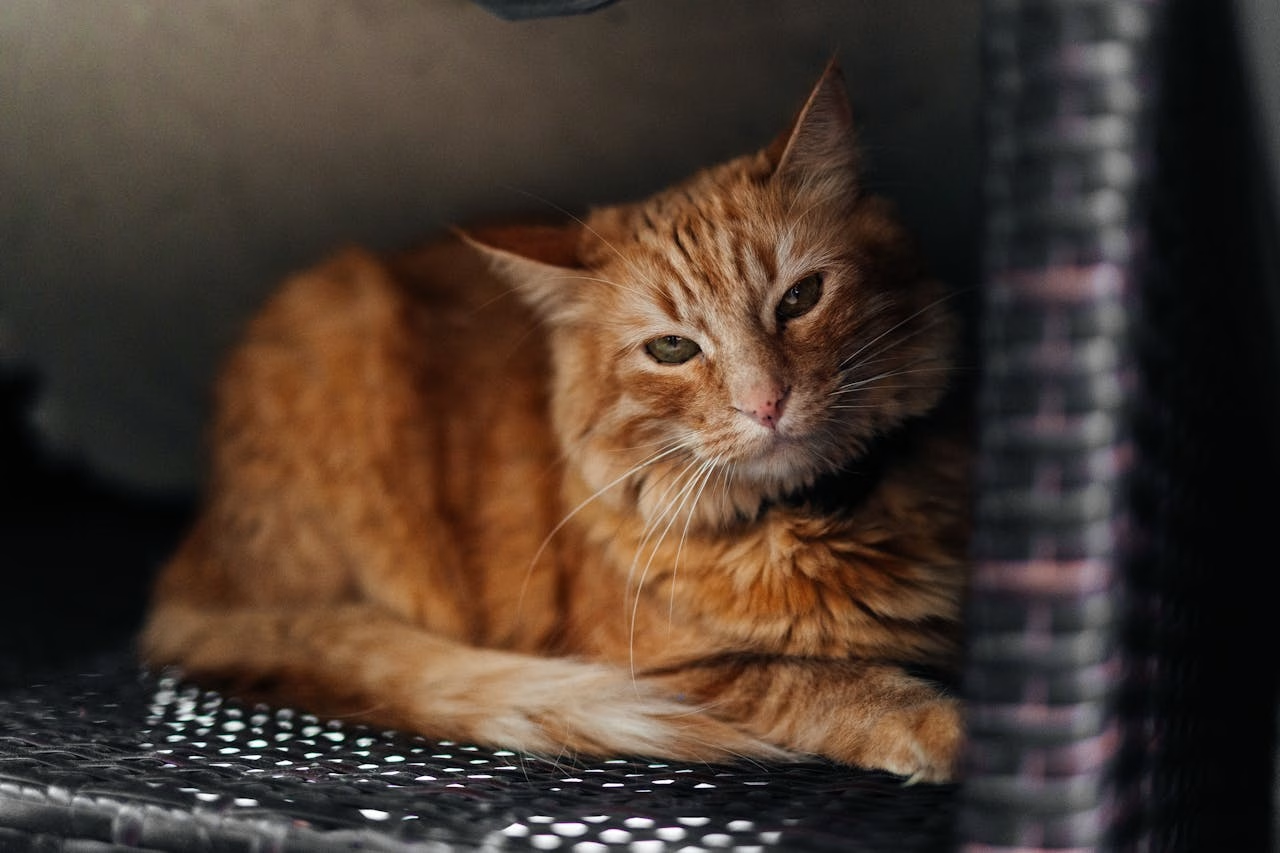
Understanding the first signs of anxiety in cats allows you to respond early, support your cat emotionally, and restore a sense of safety before stress becomes chronic. One of the earliest signs of anxiety in cats is withdrawal, such as hiding in enclosed or dark spaces.
Can Cats Really Experience Anxiety?
Yes. Cats can experience anxiety just like other animals. Their stress response is closely tied to survival instincts. In the wild, constant alertness is essential. In a home setting, however, unfamiliar sounds, routines, or environments can trigger that same response even when there is no real danger.
Anxiety may be temporary, linked to a specific event, or ongoing if the source of stress remains unresolved.
Early Signs of Anxiety in Cats
Anxious behavior often appears gradually. Many of the first signs are easy to miss because they look like normal “cat behavior” at first glance.
One of the earliest indicators is behavioral withdrawal. A cat that suddenly hides more than usual, avoids family members, or spends long periods under furniture may be feeling overwhelmed rather than simply seeking solitude.
Changes in grooming habits are also common. Some anxious cats overgroom, leading to thinning fur or bald patches, especially on the belly or legs. Others may groom less, resulting in a dull or unkempt coat.
You may also notice changes in appetite. Stress can cause a cat to eat less, eat too quickly, or lose interest in food altogether. Because cats rely heavily on routine, even small disruptions can affect their eating habits.
Vocal changes can be another early signal. An anxious cat may meow more than usual, cry at night, or make low, distressed sounds that are not typical for them.
Subtle Physical and Behavioral Clues
Some signs of anxiety are more physical than emotional. These include tense body posture, flattened ears, wide pupils, or a constantly twitching tail. These signals indicate heightened alertness rather than relaxation.
Litter box changes are also important to watch. A cat that suddenly urinates or defecates outside the litter box may not be acting out of defiance. Stress and anxiety often disrupt normal elimination habits.
In multi-cat households, anxiety may show up as increased tension between cats, even if they previously lived peacefully together.
Common Causes of Anxiety in Cats
Cats are creatures of habit, and anything that disrupts their sense of predictability can cause stress. Common triggers include moving to a new home, changes in household members, loud noises, construction, new pets, or even rearranged furniture.
Medical issues can also contribute. Pain, illness, or discomfort sometimes manifest as anxious behavior, which is why health problems should always be ruled out first.
How to Support an Anxious Cat at Home
The most important step in supporting an anxious cat is creating a sense of safety. Consistent routines help cats feel secure. Feeding, playtime, and rest should happen at roughly the same times each day.
Providing safe spaces is equally important. Cats need quiet areas where they can retreat without being disturbed. Elevated spots, covered beds, or designated rooms can offer comfort and control.
Interactive play is a powerful stress reliever. Short, daily play sessions that mimic hunting behaviors allow cats to release tension and regain confidence. Ending play with a small meal can further reinforce a sense of completion and calm.
Environmental enrichment also helps reduce anxiety. Scratching posts, window perches, and puzzle feeders provide mental engagement and reduce boredom-related stress.
The Role of Calm Human Interaction
How you interact with your cat matters. Forcing attention or picking up a stressed cat can increase anxiety. Instead, allow your cat to approach you on their own terms. Speaking softly and moving slowly can make a big difference.
Positive reinforcement builds trust. Reward calm behavior with gentle praise or treats rather than reacting to anxious behaviors with frustration.
When to Seek Professional Help
If anxiety symptoms persist for several weeks, worsen over time, or begin to interfere with eating, grooming, or litter box use, it’s time to consult a veterinarian. Medical conditions must be ruled out before anxiety is diagnosed.
In some cases, a vet or feline behaviorist may recommend behavior modification strategies, pheromone products, or short-term medication to help stabilize your cat’s stress levels.
Final Thoughts
The first signs of anxiety in cats are often quiet and easily overlooked. Paying attention to changes in behavior, posture, and routine allows you to act early and provide the support your cat needs.
With patience, consistency, and the right environment, most anxious cats can regain confidence and emotional balance. A calm cat is not just more relaxed, it’s healthier, happier, and more connected to the home they trust.
Related:
- 5 Interactive At-Home Games That Stimulate Your Dog’s Mind
- Indoor Cat Enrichment That Reduces Biting and Scratching
- 10 Dog Breeds That Stay Calmer When Left Alone at Home
- Feeding the Winter King: 5 Essential Foods for Backyard Squirrels
- Penguins That Mate for Life: Myths and Truths About Loyalty in the Cold