

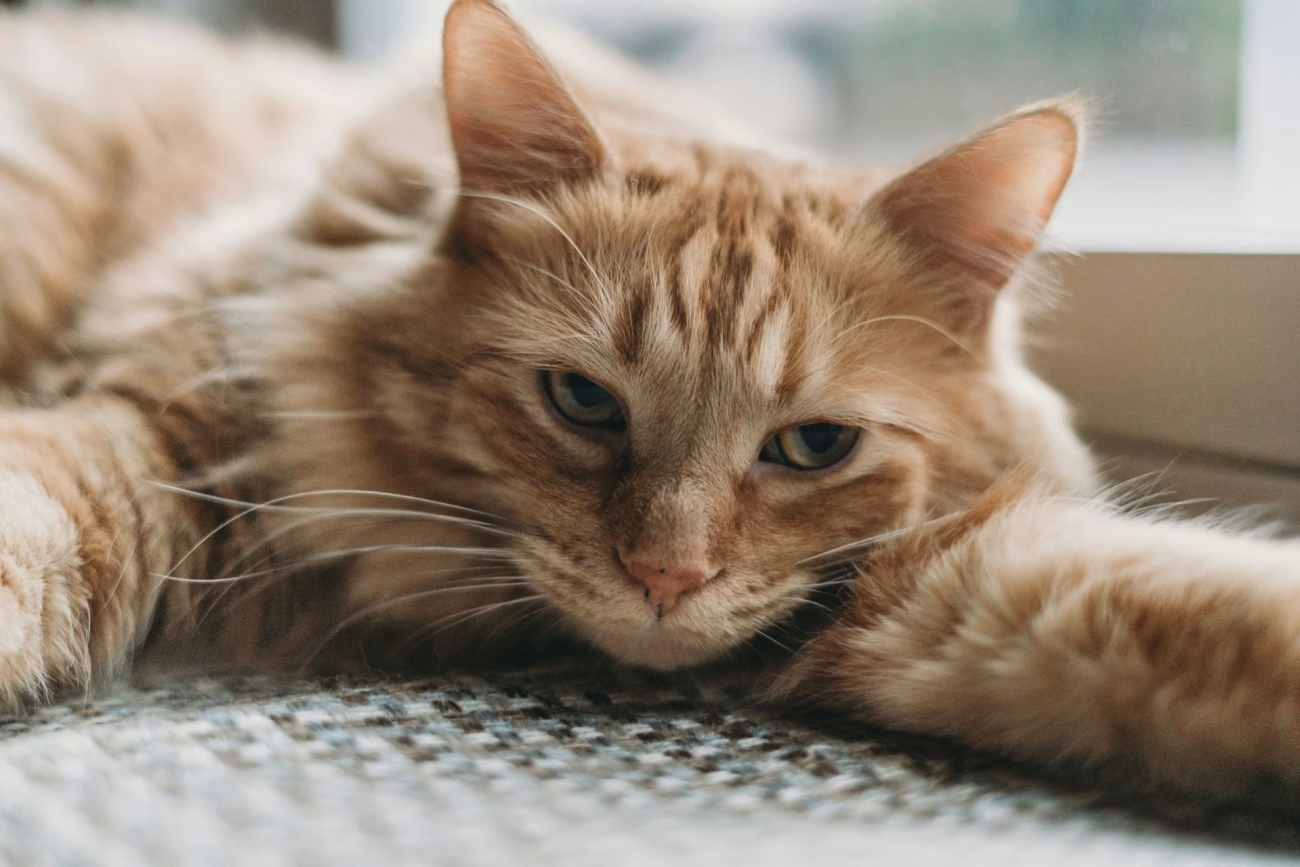
Boredom in pets is often misunderstood. Many owners assume problem behaviors come from disobedience or personality. In reality, boredom quietly reshapes behavior long before it becomes disruptive. Dogs and cats need mental stimulation, routine, and purpose. When those needs are not met, behavior changes act as signals.
Recognizing boredom early helps you protect your pet’s emotional balance and prevent long-term issues.
Why Boredom Affects Pets So Strongly
Dogs and cats evolved to spend their days solving problems, exploring, and interacting with their environment. Modern pet life, especially indoors, removes much of that stimulation. When the brain lacks engagement, pets create their own outlets.
Boredom does not mean laziness. It reflects unmet mental and emotional needs.
Common Signs of Boredom in Dogs
Dogs express boredom through action. Their behaviors often look exaggerated or repetitive.
Some of the most frequent signs include destructive chewing, digging, and scratching, especially when left alone. Excessive barking or whining can also signal frustration rather than poor training. Many bored dogs pace, lick themselves repeatedly, or seek constant attention.
Changes in energy patterns matter too. Some dogs become hyperactive and restless, while others withdraw and sleep more than usual. Both extremes can point to mental under-stimulation.
Common Signs of Boredom in Cats
Cats express boredom in subtler ways. Because they are independent by nature, boredom often appears as mischief or apathy.
Knocking objects off tables, sudden nighttime zoomies, and excessive vocalization can reflect a lack of stimulation. Some cats overgroom, leading to hair loss, while others stop playing altogether.
A bored cat may also sleep excessively without appearing relaxed. Long inactive periods without curiosity or play often signal emotional disengagement.
How Boredom Changes Behavior Over Time
When boredom persists, behavior often escalates. What starts as mild restlessness can become anxiety-driven habits. Pets may develop compulsive behaviors, increased irritability, or reduced tolerance toward people and other animals.
Training difficulties often follow. A bored pet struggles to focus, ignores cues, or appears stubborn. These changes frustrate owners and damage the human-animal bond if misinterpreted.
Over time, chronic boredom may even affect appetite and sleep patterns, creating a cycle that impacts overall health.
Why Exercise Alone Is Not Enough
Physical activity matters, but movement without mental engagement does not fully address boredom. A long walk on the same route every day may burn energy but leave the brain unstimulated.
Pets need novelty, choice, and problem-solving. Mental effort tires the brain in a healthy way and reduces stress-related behaviors more effectively than exercise alone.
Simple Ways to Reduce Boredom at Home
You do not need expensive toys or complex routines. Small changes applied consistently make the biggest difference.
Rotate toys instead of leaving all of them available. Introduce short training sessions that focus on simple cues or tricks. Use feeding time as enrichment by hiding food or using puzzle feeders.
For cats, vertical space, window access, and short interactive play sessions matter more than constant activity. For dogs, sniffing opportunities, varied walking routes, and brief problem-solving games help restore balance.
The goal is engagement, not exhaustion.
When Boredom Looks Like a Behavior Problem
Many pets labeled as difficult are actually under-stimulated. Chewing, scratching, vocalizing, and attention-seeking behaviors often disappear when enrichment improves.
Before assuming a pet is misbehaving, evaluate daily stimulation. Ask whether your pet has opportunities to explore, think, and interact in meaningful ways.
Addressing boredom often resolves behavior issues without punishment or strict correction.
Building a Balanced Enrichment Routine
A sustainable routine includes physical movement, mental challenges, and emotional connection. Short, frequent activities work better than occasional intense sessions.
Even ten minutes of focused interaction can reset a pet’s mood. Consistency builds security and reduces the need for attention-seeking behaviors.
Final Thoughts
Boredom is one of the most common and overlooked causes of behavior changes in pets. Dogs and cats do not act out without reason. Their behavior reflects unmet needs.
For Pawlore readers, understanding boredom is key to enrichment. When you meet your pet’s mental needs, behavior stabilizes, stress decreases, and the bond grows stronger. A stimulated pet is not only calmer, but happier and healthier over time.
Related:
- Dog Dental Care Basics: Bad Breath, Tartar, and What Helps
- DIY Sniffari: Build a Home Nose-Work Trail (Vet-Safe)
- Cat Peeing Outside the Litter Box: Causes You Should Never Ignore
- Feeding the Winter King: 5 Essential Foods for Backyard Squirrels
- Penguins That Mate for Life: Myths and Truths About Loyalty in the Cold