

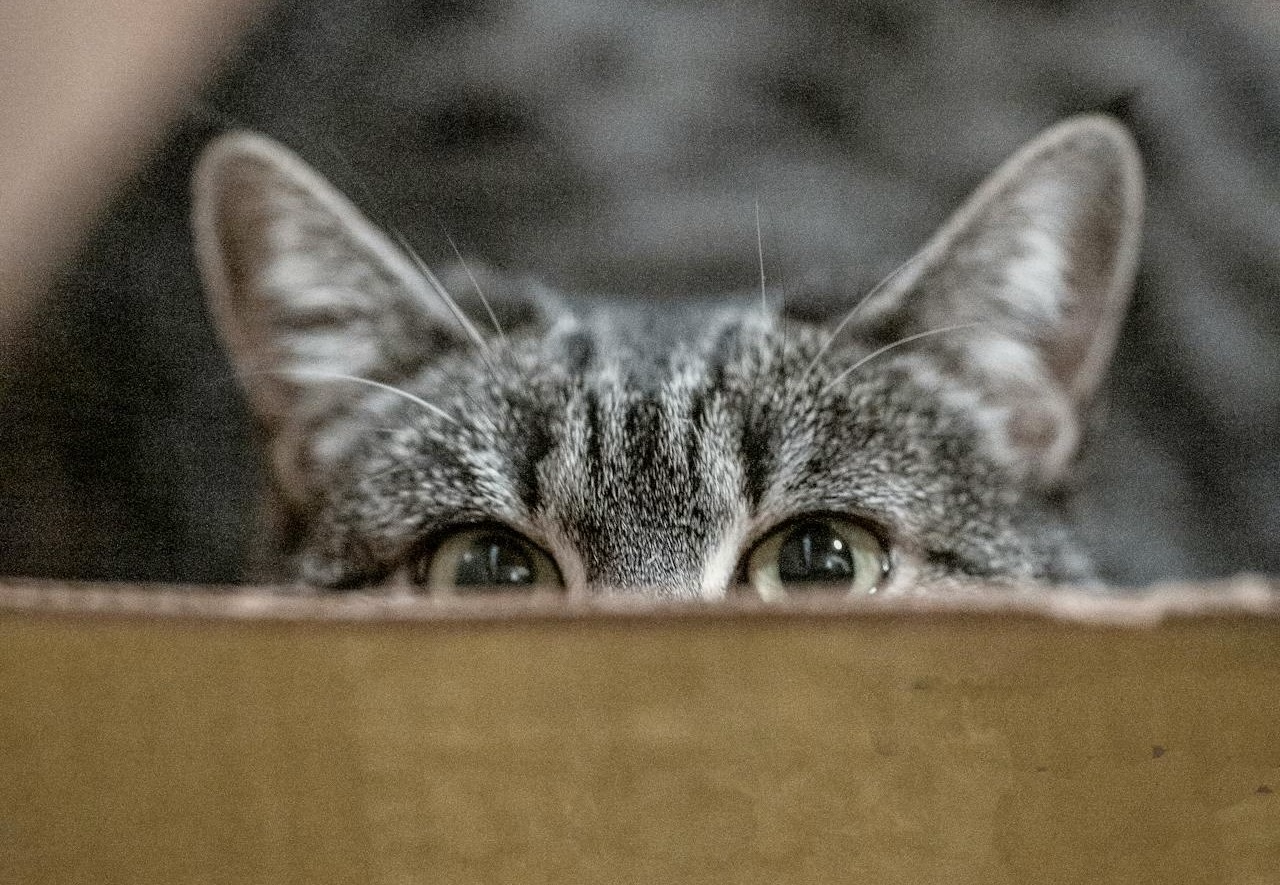
Many cat owners notice the same pattern. They buy a soft bed or an elaborate cat tree, yet their cat chooses the empty delivery box on the floor. This preference reflects instinct and environmental needs rather than random behavior.
Cats rely on secure resting spaces to regulate stress. A cardboard box provides warmth, enclosure, and strategic visibility. These elements work together to create a stable microenvironment inside the home.
Quick Answer
Cats love hiding in boxes because cardboard retains warmth, blocks drafts, limits exposure, and creates a controlled space for resting and observing. Tight enclosed areas reduce stress and support natural hunting and hiding behaviors.
Cats Seek Security Through Enclosure
Cats remain cautious by nature. Even well adjusted indoor cats scan their surroundings and evaluate potential risks. A resting spot without protection leaves the body exposed from multiple angles. An enclosed space reduces that exposure.
A box surrounds the cat on several sides. When the opening faces outward, the cat can monitor movement in the room while keeping most of its body hidden. This arrangement increases perceived control over the environment. Control lowers stress responses and supports deeper rest.
Research in animal behavior shows that access to hiding spaces reduces stress indicators in cats housed in shelters. Although home environments differ from shelters, the biological response to concealment remains similar. A small, enclosed space can help stabilize emotional state.
Cardboard Supports Thermal Comfort
Cats maintain a higher body temperature than humans, typically between 38 and 39 degrees Celsius. Their small body mass limits heat retention. When room temperature drops, they actively seek insulated areas.
Cardboard acts as an effective thermal barrier. Its layered structure traps air between corrugated sheets. Trapped air slows heat transfer and reduces exposure to cold surfaces and light drafts. When you place a box near a mild heat source or in a sunlit area, it creates a warmer resting pocket.
This explains why a cat may ignore an open cushion and settle inside a simple carton. The enclosed structure retains body heat more efficiently than many flat beds.
Tight Spaces Increase Emotional Stability
Many cats choose a box that fits closely around their body. A snug interior limits open space and reduces the number of directions from which movement can approach. This physical containment translates into psychological comfort.
Boxes with top flaps add another layer of concealment. The cat can remain partially covered while still observing through a small opening. This setup supports rest without complete withdrawal from the environment.
In multi cat households, a box also functions as a low conflict retreat. When social tension rises, a contained space allows one cat to disengage without direct confrontation. Structured environmental design plays a key role in daily enrichment planning, and even a basic cardboard box can serve that purpose.
Boxes Encourage Play and Predatory Behavior
A cardboard box does more than support sleep. It becomes a hunting station during play. Cats hide inside and wait for movement. They extend a paw toward passing feet or a moving toy. This ambush behavior reflects natural predatory sequencing.
You can encourage this safely by dragging a wand toy past the opening or by connecting two boxes to form a short tunnel. Cutting small side openings increases visual stimulation and invites exploration. These simple modifications create mental engagement without overstimulation.
Short, structured play sessions around a box integrate rest and activity in the same physical space. This balance helps regulate arousal levels throughout the day.
Where to Place Your Cat’s Box
Placement determines whether your cat uses the box consistently. Choose a quiet area with limited foot traffic. Avoid placing it near loud appliances or busy entryways. Elevation often increases appeal, so a stable surface near a window works well.
Natural light and moderate warmth enhance comfort. A box positioned near a window also becomes an observation point, which satisfies curiosity while maintaining security.
Keep the location stable. Frequent relocation can reduce the sense of territorial ownership and decrease usage.
When Hiding Requires Attention
Occasional hiding inside a box represents normal feline behavior. If your cat isolates constantly and shows appetite changes, weight loss, persistent lethargy, or unusual aggression, seek veterinary evaluation. Behavioral shifts sometimes accompany medical conditions. This article provides educational guidance and does not replace professional veterinary advice.
A cardboard box may appear simple, yet it supports insulation, concealment, observation, and play within a compact structure. When your cat settles inside one, it responds to biological needs shaped by instinct. Providing that option supports emotional stability and daily comfort in indoor environments.
Related:
- 10 Cat Breeds That Make Perfect Pets for Families and First-Time Owners
- How to Create the Ideal Garden for Your Cat: Safe, Stimulating, and Age-Appropriate Design
- What to Feed Kittens at Every Age: A Simple Feeding Guide for Healthy Growth
- Are Cats Psychopaths? Why Their Behavior Feels Cold and What It Really Means
- Best Indoor Cat Toys That Keep Cats Active All Day