

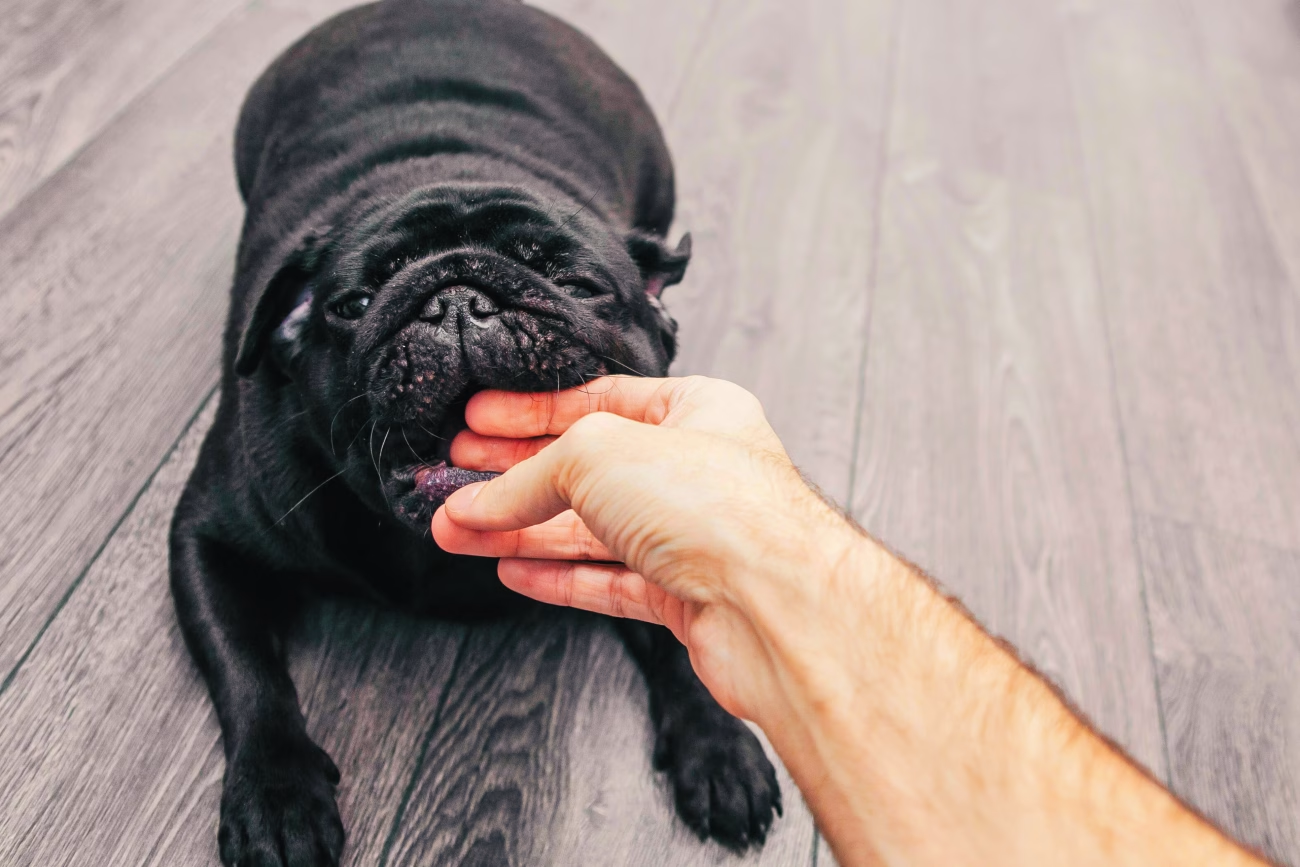
A dog bite can feel sudden and frightening, especially when it comes from a dog you trust, but biting rarely happens without warning.
Why do dogs bite people or other dogs, even when they seem friendly?
This question often appears after a frightening moment, one that feels sudden and deeply confusing. Many owners say the same thing: “It came out of nowhere.”
In reality, dog biting rarely happens without reason. Dogs do not bite to be “mean” or “dominant.” They bite when communication breaks down and pressure builds faster than they can handle. What looks like aggression is often a final attempt to stop something that feels threatening, painful, or overwhelming.
Understanding the reasons behind biting helps you recognize warning signs earlier, respond more effectively, and prevent future incidents that could harm both people and dogs.
Why do dogs bite people or other dogs?
Dogs bite to create distance.
Whether the target is a person or another dog, the motivation is usually the same: the dog wants the situation to stop. Before biting, most dogs try quieter signals such as turning away, freezing, stiffening, or growling. When those signals fail, biting becomes the last available option.
This behavior reflects stress, fear, pain, or confusion rather than intent to harm.
Common causes of dog biting
Fear and anxiety
Fear-based biting occurs when a dog feels trapped or overwhelmed. Crowded spaces, unfamiliar people, sudden movements, or forced handling often trigger this response.
Pain or medical discomfort
Dogs in pain may bite when touched unexpectedly. Dental issues, joint pain, ear infections, or injuries often explain sudden changes in behavior.
Resource guarding
Some dogs bite to protect food, toys, resting spots, or valued people. This behavior grows from insecurity and the need to feel safe.
Overstimulation during play
Play can escalate quickly. When excitement rises and self-control drops, some dogs struggle to regulate their bite strength.
Limited social experience
Dogs with little early exposure to people or other dogs may respond defensively in unfamiliar situations later in life.
Warning signs that often come before a bite
Dogs usually show discomfort before biting. Common signs include:
- Stiff or frozen posture
- Lip licking or yawning in tense situations
- Growling or showing teeth
- Turning the head away
- Avoiding eye contact
These signals are easy to miss when interactions move too quickly.
When dog biting becomes a serious concern
Some situations require immediate attention.
Biting becomes more concerning when it:
- Appears suddenly without a clear trigger
- Breaks skin
- Happens repeatedly
- Occurs around children or vulnerable people
- Escalates in intensity
In these cases, professional support plays a critical role.
How to respond after a bite
Reactions shape what happens next.
Punishment or shouting increases fear and suppresses warning signals, which raises future risk. Creating space, restoring calm, and identifying what triggered the incident leads to better outcomes.
A veterinary check helps rule out pain. A qualified behavior professional can address emotional and environmental causes.
Can dog biting be prevented?
Prevention depends on awareness.
Respecting boundaries, maintaining predictable routines, managing environments, and responding early to stress signals reduce the likelihood of biting. Education matters as much as training, especially in households with children.
Most dogs improve when their needs are understood and respected.
Final takeaway
Dog biting is communication under pressure. It reflects unmet needs rather than malice. Learning to read early signals protects everyone involved and strengthens trust between dogs and humans.
FAQ: Dog Biting Explained
Is dog biting always aggression?
No. Most bites result from fear, pain, stress, or overstimulation rather than aggressive intent.
Do dogs bite without warning?
Rarely. Many warning signs are subtle and often overlooked or misunderstood.
Can a friendly dog still bite?
Yes. Even well-socialized dogs may bite when pushed beyond their comfort level.
Should I punish my dog for biting?
Punishment increases fear and may remove warning signals, which raises the risk of future bites.
When should I seek professional help?
If biting repeats, escalates, breaks skin, or involves children, professional guidance becomes essential.
Related:
- 10 Dog Breeds That Stay Calmer When Left Alone at Home
- Why Your Dog Suddenly Barks at Nothing: Real Causes and What to Do
- Can Cats Get Colds? Symptoms, Home Care, and When to Call the Vet
- Feeding the Winter King: 5 Essential Foods for Backyard Squirrels
- Penguins That Mate for Life: Myths and Truths About Loyalty in the Cold