

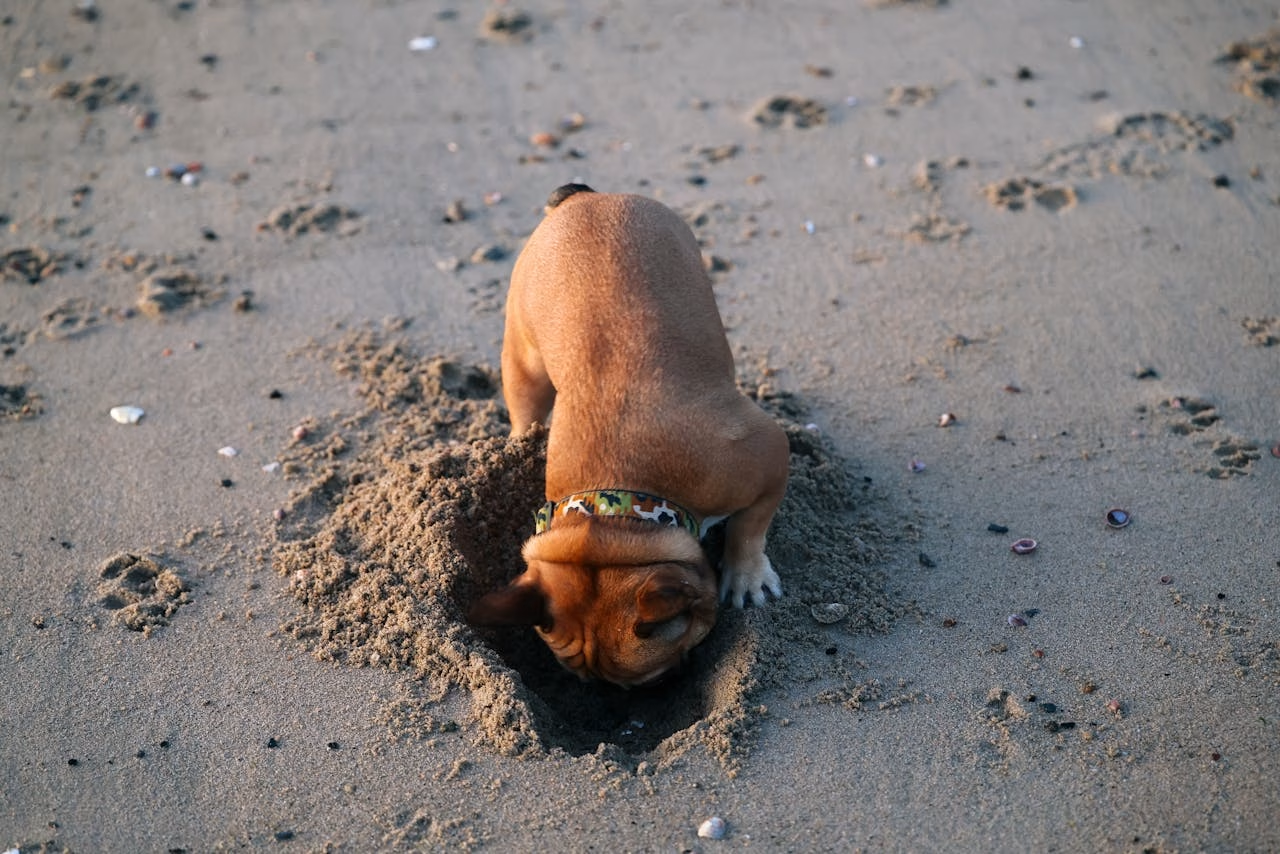
Few things frustrate dog owners more than finding fresh holes scattered across the yard. Digging can destroy lawns, gardens, and patience. Many people assume dogs dig out of spite or bad training. In reality, digging is a natural canine behavior rooted in instinct, comfort, and unmet needs.
Understanding why dogs dig is the first step toward stopping it in a way that works long term.
Digging Is a Natural Dog Behavior
Dogs did not invent digging to annoy humans. Wild canines dig for survival. They create cool resting spots, hide food, escape heat, and feel secure underground. Domestic dogs still carry these instincts, even in well-kept homes.
Digging becomes a problem only when the environment does not meet the dog’s physical or mental needs. The hole is a symptom, not the cause.
Common Reasons Dogs Dig Holes
1. Boredom and Excess Energy
One of the most frequent causes of digging is boredom. Dogs with unused energy look for their own entertainment. Digging provides physical movement, mental stimulation, and a sense of purpose.
Dogs left alone for long periods, walked on the same route daily, or lacking enrichment often dig more intensely. The behavior becomes self-rewarding and repetitive.
2. Temperature Regulation
Many dogs dig to cool down. Soil beneath the surface stays cooler than the air, especially in summer. Northern breeds and dogs with thick coats often dig shallow holes to lie in during hot weather.
This behavior is not misbehavior. It is a comfort strategy.
3. Instinct to Bury and Protect
Dogs naturally bury valuable items such as bones, toys, or food. This instinct comes from wild ancestors who hid resources for later use.
If your dog digs and then carefully places an object in the hole, the behavior reflects security and resource management, not anxiety.
4. Stress and Anxiety
Digging can also appear during emotional distress. Changes in routine, lack of predictability, or separation anxiety may trigger frantic digging, often near fences or exits.
In these cases, digging acts as a coping behavior rather than play.
5. Prey Drive and Curiosity
Dogs with strong prey instincts may dig after smelling rodents or insects underground. Terriers and hunting breeds are especially prone to this behavior.
The dog is responding to scent cues, not ignoring training.
Why Punishment Makes Digging Worse
Punishing a dog for digging rarely solves the issue. Dogs do not connect delayed punishment to a hole dug earlier. Instead, punishment increases stress, which can increase digging frequency.
Effective solutions address the underlying motivation, not the visible damage.
Practical Fixes That Actually Work
1. Increase Physical and Mental Stimulation
A tired dog digs less. Daily walks should include variety, sniffing time, and mental engagement. Simple enrichment such as scent games, food puzzles, and short training sessions reduce boredom-driven digging.
Mental effort often reduces problem behaviors more effectively than physical exercise alone.
2. Provide a Designated Digging Area
For dogs that love to dig, complete prevention may be unrealistic. Offering a controlled digging zone channels the behavior appropriately.
Choose a corner of the yard, use loose soil or sand, and bury toys or treats there. Reward your dog for digging only in that area. This approach respects instinct while protecting the rest of the yard.
3. Improve Comfort and Shelter
If digging relates to temperature, provide shaded areas, fresh water, and cool resting spots. Elevated beds, cooling mats, or shaded shelters reduce the need to dig for relief.
Comfort reduces instinct-driven behaviors.
4. Address Anxiety Triggers
When digging appears near fences or doors, anxiety may be involved. Gradual desensitization, predictable routines, and calm departures help reduce stress-based digging.
In severe cases, professional guidance from a behavior specialist may be helpful.
5. Block High-Interest Zones
If prey scent attracts digging, reinforce those areas with barriers or mesh below the soil surface. Removing the reward often reduces repetition.
This approach works best alongside enrichment, not alone.
When Digging Is a Warning Sign
Occasional digging is normal. Sudden, intense, or obsessive digging may signal stress, under-stimulation, or environmental discomfort.
Pay attention to changes in behavior, appetite, or rest patterns. Digging often appears alongside other signs of imbalance.
Building a Balanced Routine
The most effective fix for digging is balance. Dogs need movement, mental engagement, rest, and emotional security. When these needs are met, problem behaviors fade naturally.
Short, consistent enrichment routines work better than occasional long sessions. Variety matters more than intensity.
What Your Dog Is Really Telling You
Dogs dig because they are dogs. Digging reflects instinct, comfort-seeking, curiosity, or unmet needs. Treating it as disobedience misses the message your dog is sending.
For Pawlore readers, digging is a reminder that behavior communicates needs. When you address the cause rather than the hole itself, solutions become clearer, kinder, and more effective. A dog whose needs are met has little reason to redesign your yard.
Related:
- You Want a Dog That Learns Fast? Why “Easy to Train” Breeds Can Make Daily Life Harder
- Puppy Biting Explained: What’s Normal and How to Stop It
- DIY Sniffari: Build a Home Nose-Work Trail (Vet-Safe)
- Feeding the Winter King: 5 Essential Foods for Backyard Squirrels
- Why Do Cats Bite During Petting? Understanding Overstimulation
2 thoughts on “Why Do Dogs Dig Holes? Common Reasons and Practical Fixes”