

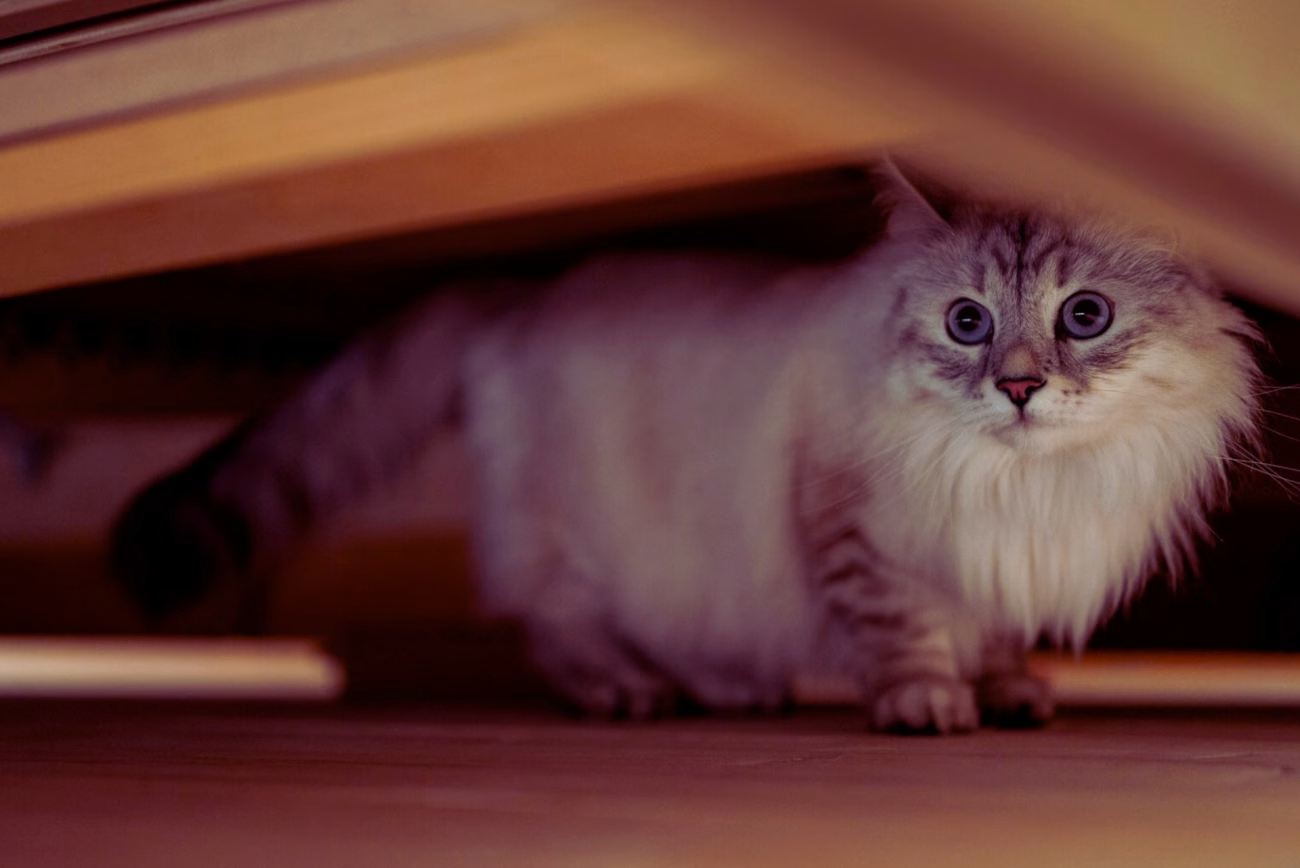
If your cat suddenly disappears under the bed, avoids familiar rooms, or spends hours in dark corners, it can be unsettling. Many owners find themselves asking the same question: why is my cat suddenly hiding? While hiding is part of normal feline behavior, a sudden change often points to stress, fear, or discomfort.
Understanding what’s behind this behavior helps you respond calmly and support your cat in the right way.
Is It Normal for Cats to Hide?
Cats naturally seek enclosed spaces. In the wild, hiding offers safety and rest. At home, knowing where to retreat gives cats a sense of control. Short periods of hiding, especially during busy moments, are usually nothing to worry about.
The concern starts when hiding appears suddenly, lasts longer than usual, or comes with changes in eating, grooming, or interaction.
Stress and Environmental Changes
Cats are extremely sensitive to changes in their surroundings. Even adjustments that seem minor to humans can feel overwhelming to them. Moving furniture, introducing a new pet, welcoming visitors, or experiencing loud noises can all trigger stress.
When a cat feels unsettled, hiding becomes a way to block out stimulation and feel protected until things return to see more predictable.
Fear After a Frightening Experience
Sometimes a single scary event is enough to change behavior. A loud noise, a fall, a fight with another pet, or an unfamiliar animal outside can cause a cat to withdraw. Cats have strong memories, and fear can linger even after the event has passed.
In these cases, hiding is less about the environment and more about emotional recovery.
Illness or Physical Discomfort
One of the most important reasons a cat may suddenly start hiding is pain or illness. Cats instinctively conceal weakness, which means hiding can be an early warning sign that something physical is wrong.
If hiding is paired with reduced appetite, less grooming, changes in litter box use, or unusual aggression, medical causes should be considered first. Older cats, in particular, may hide when dealing with joint pain or chronic conditions.
Anxiety and Ongoing Emotional Stress
When stress becomes constant rather than temporary, hiding may turn into a long-term habit. This often affects indoor cats with limited stimulation, cats in multi-pet homes, or those with past trauma.
Anxious cats use hiding as a coping mechanism rather than a reaction to a single event.
How to Support a Cat That Is Hiding
The most helpful allowing your cat space. Forcing interaction or pulling them out of hiding can increase fear and damage trust. Instead, keep your movements calm and your voice soft.
Maintaining a steady routine helps restore a sense of security. Feeding, play, and rest at consistent times can be reassuring. Offering safe hiding alternatives, such as covered beds or boxes, allows your cat to feel protected without becoming isolated.
Gentle encouragement, such as sitting nearby or offering treats, can slowly help your cat re-engage on their own terms.
When You Should Call the Vet
If hiding continues for more than a day or two, becomes more intense, knowing veterinary advice is important. Sudden hiding combined with appetite loss, weakness, or behavioral changes should never be ignored.
Ruling out medical causes is always the first step before addressing behavior alone.
Final Thoughts
So, why is my cat suddenly hiding? In most cases, it’s a response to stress, fear, or physical discomfort. While hiding itself is natural, sudden or prolonged withdrawal is your cat’s way of asking for help.
By observing carefully, respecting your cat’s need for space, and seeking professional guidance when needed, you can help your cat feel safe and confident again.
Sometimes the quietest behavior carries the most important message.
Related:
- The First Signs of Anxiety in Cats and How to Support Them
- Indoor Cat Enrichment That Reduces Biting and Scratching
- 10 Dog Breeds That Stay Calmer When Left Alone at Home
- Feeding the Winter King: 5 Essential Foods for Backyard Squirrels
- Penguins That Mate for Life: Myths and Truths About Loyalty in the Cold
One thought on “Why Is My Cat Suddenly Hiding? Understanding the Reasons and What to Do”