

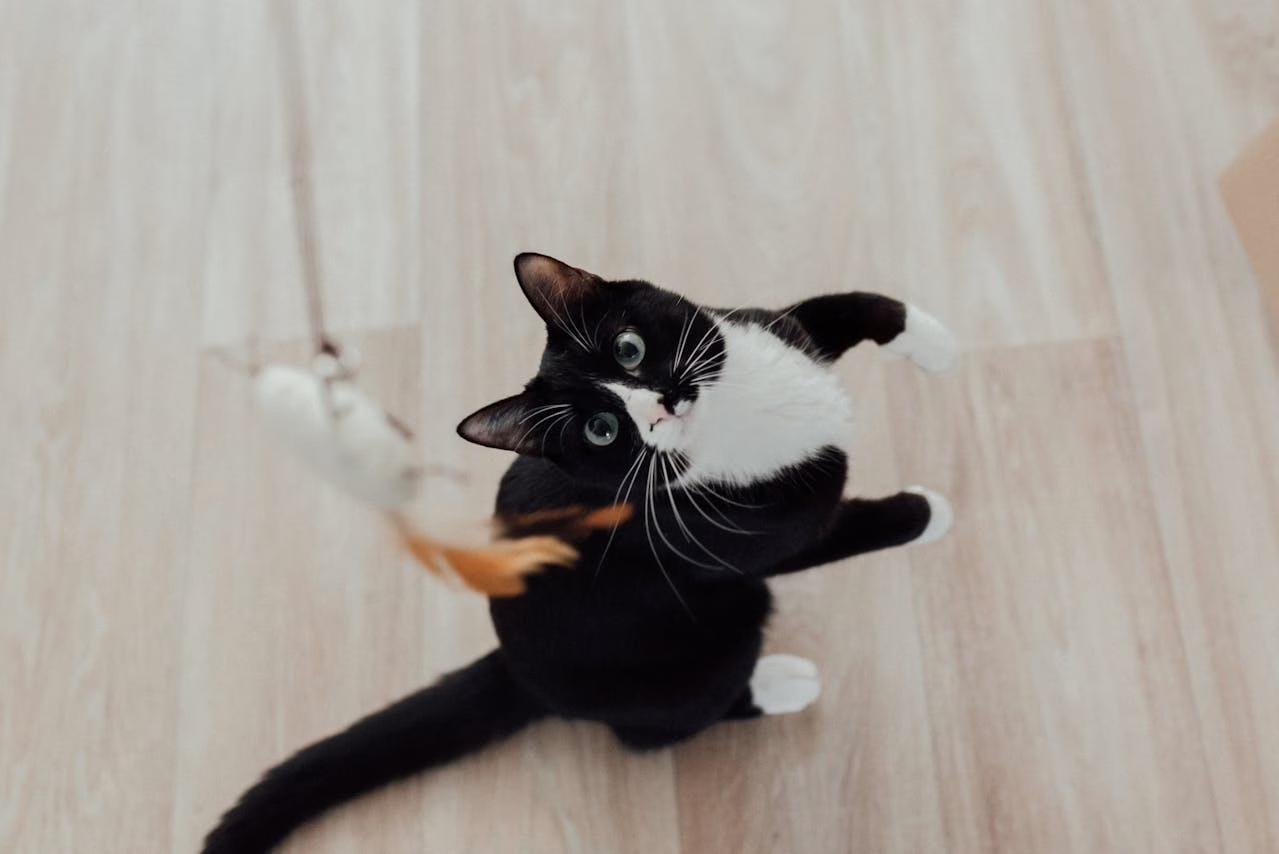
Indoor cats live in comfort. They are safe from traffic, predators, and harsh weather. Yet many indoor cats struggle with something quieter: boredom. When stimulation drops, behavior shifts. You might see sudden ankle ambushes, scratching at doors, late-night zoomies, or long hours of restless pacing.
Cats are built to hunt in short, intense bursts. Even the calmest apartment cat carries that wiring. If we want them relaxed and balanced, we have to recreate pieces of that natural rhythm inside our homes.
Here is how to choose indoor cat toys that truly keep cats active throughout the day, not just for five distracted minutes.
Quick Answer
The best indoor cat toys that keep cats active all day combine hunting simulation, mental problem-solving, and vertical movement. Interactive wand toys, puzzle feeders, motion-activated toys, and climbing structures work together to create short activity cycles that prevent boredom and reduce unwanted behavior.
Why Indoor Cats Need More Than Random Toys
A toy tossed on the floor is not enrichment by itself.
In the wild, a cat stalks, waits, chases, captures, and eats. That full sequence regulates stress and satisfies instinct. Indoor life removes the chase and the capture. When that cycle stays incomplete, energy builds up and eventually spills into scratching furniture or attacking feet.
Enrichment is about designing small “hunting moments” during the day. Pawlore’s current direction focuses on practical behavior solutions and structured enrichment, which means toys should serve a behavioral purpose, not just decorate the living room.
Interactive Wand Toys: The Daily Hunting Session
If you choose only one toy, choose a wand.
A feather teaser or fabric lure attached to a flexible rod allows you to mimic prey movement. The key is how you move it. Drag it slowly along the floor. Let it disappear behind a chair. Pause. Then make it dart away. That pause builds focus and triggers stalking posture.
At the end of the session, allow your cat to catch it. That capture moment matters. Afterward, offering a small treat or meal completes the hunt cycle and helps your cat settle.
Ten focused minutes once or twice a day often changes nighttime behavior dramatically.
Puzzle Feeders: Turning Meals Into Mental Work
Many indoor cats eat in seconds. That removes the effort that would normally precede food.
Puzzle feeders reintroduce that effort. Your cat must bat, nudge, slide, or roll the toy to release kibble. The process slows eating and activates problem-solving skills. Mental work tires a cat in a way that passive feeding never will.
Start with something simple so frustration does not replace curiosity. Once your cat understands the idea, you can increase difficulty gradually.
This type of enrichment reduces boredom-driven aggression and can support healthy weight management at the same time.
Motion-Activated Toys: Independent Activity
When you are at work, your cat still needs stimulation.
Automatic toys that move unpredictably can trigger chase behavior without constant supervision. Look for toys that activate in short bursts rather than running endlessly. Real prey does not move in straight, continuous lines.
Use these as supplements, not replacements, for interactive play. Cats bond through shared activity. Independent toys fill gaps, while wand sessions strengthen connection.
Vertical Space: The Most Overlooked “Toy”
Movement is not only horizontal. Cats think vertically.
A tall cat tree or wall-mounted shelves transform a small apartment into layered territory. Climbing, jumping, and perching increase daily activity naturally. High resting spots also reduce stress, especially in multi-cat homes.
Even one sturdy vertical structure near a window can encourage climbing and bird-watching sessions that break up long hours of inactivity.
The Rotation Strategy That Keeps Toys Interesting
One of the most common mistakes is leaving every toy on the floor all the time. After a few days, novelty fades.
Instead, keep only two or three toys available. Store the others in a box. Every week, swap them. When an old toy returns, it feels fresh again.
This simple system prevents habituation and keeps curiosity alive without constant spending.
Clear structure and intentional design align well with how modern search systems evaluate helpful content, but more importantly, it mirrors how cats respond to novelty in real life.
Building an All-Day Activity Rhythm
Cats thrive on short activity bursts rather than one long session.
Morning can include a focused wand play session. Midday might involve a puzzle feeder instead of a bowl. Afternoon stimulation can come from a motion toy. Evening often works well for another short interactive session followed by dinner.
You are not trying to exhaust your cat. You are distributing stimulation across the day so energy never builds to a frustrating peak.
Signs Your Cat Needs More Enrichment
When stimulation drops too low, behavior usually shifts. You may notice repeated object knocking, sudden biting during petting, intense zoomies at night, or over-grooming.
Before assuming your cat is “naughty,” evaluate daily activity. Many behavior issues soften once structured play becomes consistent.
Final Thoughts
The best indoor cat toys are not about brand names or price tags. They support instinct. They encourage movement. They challenge the mind. Most importantly, they are used with intention.
A well-stimulated indoor cat tends to sleep more peacefully, scratch less destructively, and interact more gently. When you design your home around small daily hunting moments, indoor life becomes rich instead of repetitive.
If you would like, I can now prepare the full Yoast SEO pack, SGE-ready FAQ section, and internal linking suggestions tailored to Pawlore’s enrichment cluster.
Related:
- 10 Cat Breeds That Make Perfect Pets for Families and First-Time Owners
- How to Create the Ideal Garden for Your Cat: Safe, Stimulating, and Age-Appropriate Design
- Do Slow Feeder Dog Bowls Improve Digestion and Prevent Bloating? A Vet-Informed Guide for Pet Owners
- Why Is Punch the Baby Monkey Carrying a Stuffed Toy? The Real Story Behind Japan’s Viral Macaque
2 thoughts on “Best Indoor Cat Toys That Keep Cats Active All Day”