

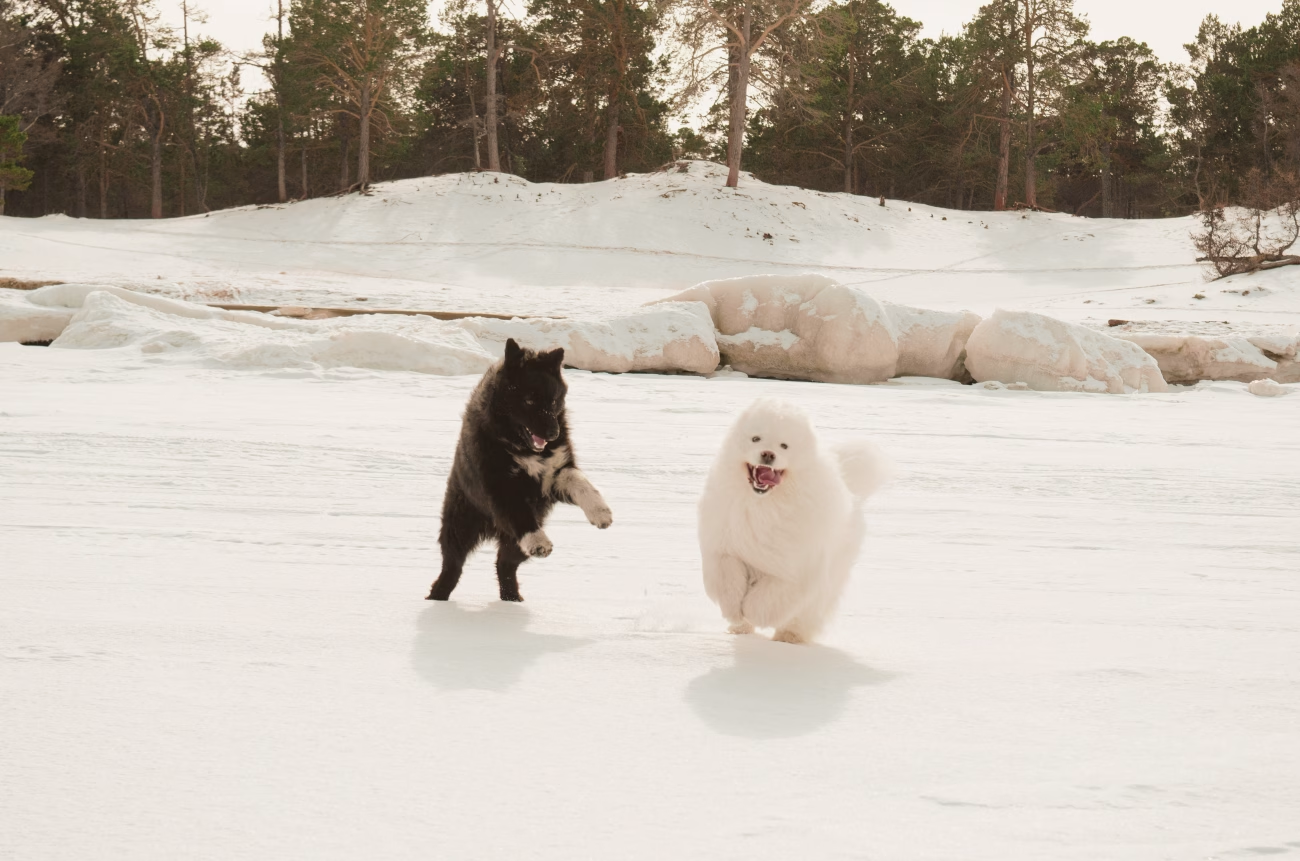
Winter storms force pets indoors, disrupt routines, and reduce physical activity almost overnight. While warmth and shelter are essential, they are not enough on their own. When movement, outdoor smells, and daily structure disappear, pets can become restless, anxious, or destructive.
The best winter storm care focuses on safety, calm behavior, and healthy activity indoors. Keeping pets mentally and physically occupied during severe weather is one of the most effective ways to prevent stress-related problems.
Why Winter Storms Are Mentally Hard on Pets
Pets rely on routine. Walks, playtime, exploration, and social interaction all help regulate mood and behavior. Winter storms suddenly remove many of these outlets.
Loud wind, snowplows, pressure changes, and confinement can increase anxiety. Dogs may pace or vocalize. Cats may become irritable or hyperactive at night. Small pets may show stress behaviors or withdraw.
This reaction is not misbehavior. It is a response to unmet needs.
The Best Indoor Activities for Dogs During Winter Storms
Short, focused training sessions are one of the best indoor options during storms. Practicing basic cues or teaching simple new tricks gives dogs structure and purpose without requiring space.
Food-based activities are also highly effective. Puzzle feeders, snuffle mats, or hiding food around a room encourage problem-solving and slow, focused movement. These activities tire the brain even when the body cannot run freely.
Gentle indoor games such as hide-and-seek or controlled tug help release energy safely while avoiding slippery floors and cold exposure.
The Best Indoor Activities for Cats During Severe Weather
Cats experience winter confinement differently. Reduced stimulation often leads to nighttime activity, frustration, or overstimulation.
Interactive play using wand toys that mimic prey movement is one of the best ways to keep cats balanced. Short play sessions spread throughout the day work better than long sessions.
Window access provides visual stimulation. Watching snow, birds, or movement outside helps replace lost outdoor input. Food puzzles and rotating toys add variety without overwhelming sensitive cats.
Keeping Small Pets Calm and Active Indoors
Rabbits, guinea pigs, and birds are particularly sensitive to environmental changes.
Rabbits benefit from shredding materials, cardboard setups, and foraging-style feeding to prevent stress chewing when movement is limited.
Birds need predictable routines, varied perches, and calm interaction. Storm noise can be frightening, so maintaining familiar daily patterns helps reduce distress.
Activity Helps Prevent Anxiety and Destructive Behavior
When pets lack stimulation, stress builds. This often shows as chewing, scratching, pacing, or vocalizing.
Providing safe, engaging indoor activities helps redirect energy and lowers anxiety. A focused pet is less reactive to storm noise and confinement.
Calm interaction matters. Soft speech, predictable feeding times, and quiet companionship support emotional balance during long indoor days.
Common Mistakes to Avoid During Winter Storms
Avoid introducing too many new items at once. Overstimulation can increase anxiety instead of reducing it.
Do not rely on unsafe household objects for activity. Power outages and clutter increase risks.
Avoid intense activity late at night, which can disrupt sleep cycles and worsen restlessness.
Preparation Makes Winter Storms Easier on Pets
The best winter storm care starts before the storm arrives. Having indoor games, food activities, and quiet routines ready prevents boredom-driven problems.
When outdoor life pauses, indoor structure takes its place.
Calm, Occupied Pets Are Safer Pets
Winter storms challenge pets emotionally as much as physically. Keeping them warm is essential, but keeping them occupied and settled is just as important.
The best approach is not constant activity, but meaningful, safe engagement that helps pets cope until normal routines return.
FAQ:
How can I keep my pets safe during a winter storm?
Keep pets indoors, provide warm resting areas, limit outdoor exposure, and offer safe indoor activities to reduce stress and boredom.
Should pets go outside during winter storms?
Only for short, supervised bathroom breaks. Prolonged exposure increases the risk of cold stress, injury, and paw damage.
What are the best indoor activities for pets during storms?
Training sessions, food-based games, interactive play, and calm routines help keep pets occupied and emotionally balanced.
Do winter storms affect pets mentally?
Yes. Noise, confinement, and routine changes can increase anxiety and restlessness, especially without indoor engagement.
Are winter storms dangerous for indoor-only pets?
Yes. Power outages, cold indoor temperatures, and stress can still affect indoor pets without proper preparation.
Related:
- Winter Dog Walks: How to Walk Smarter When the Weather Gets Tough
- How to Help Birds Survive Winter: Food, Water, and Shelter Tips
- Feeding the Winter King: 5 Essential Foods for Backyard Squirrels
- Penguins That Mate for Life: Myths and Truths About Loyalty in the Cold
- 10 Dog Breeds That Stay Calmer When Left Alone at Home
One thought on “The Best Ways to Keep Pets Safe During a Winter Storm”