


Leaving a dog alone is never ideal. Dogs are social animals shaped by thousands of years of living in groups, whether wolf packs or human families. Still, real life does not always allow constant companionship. Work, errands, and responsibilities sometimes mean your dog must stay home for several hours.
The key question is not whether a dog likes being alone, but whether it can tolerate solitude without stress or destructive behavior. Some breeds cope better than others due to their temperament, independence, and emotional regulation.
Here are ten dog breeds that generally handle being alone better than most, when properly trained and cared for.
1. Basset Hound

Calm and unhurried, the Basset Hound has a naturally low-energy personality. These dogs enjoy comfort, routine, and long naps. When left alone, they often sleep rather than panic, provided their physical and emotional needs are met beforehand.
2. Shiba Inu
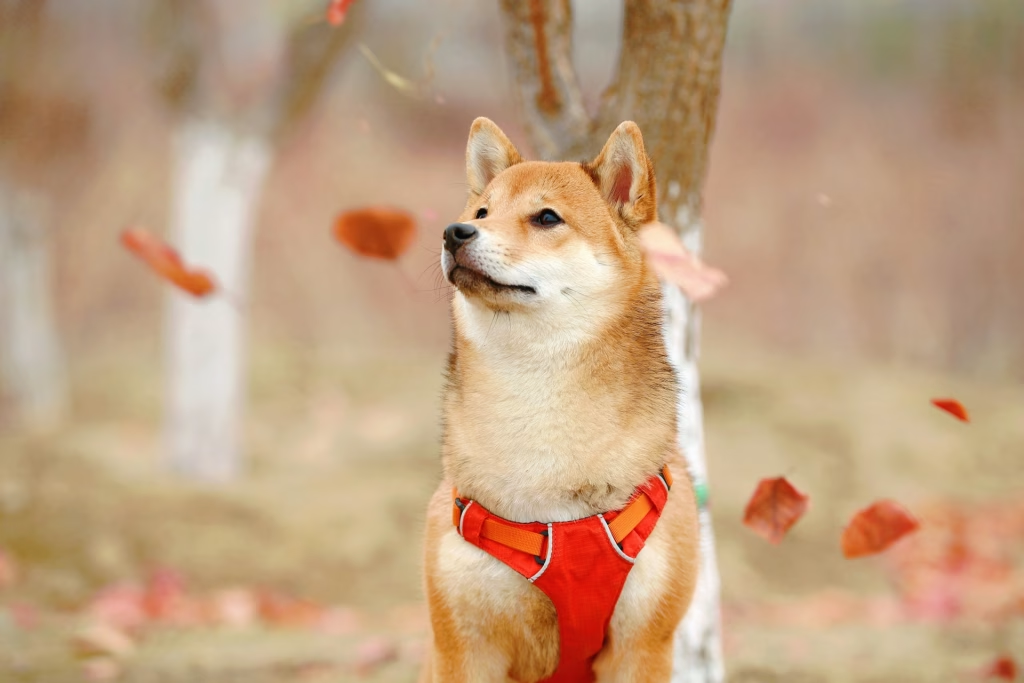
The Shiba Inu is one of the most independent dog breeds. Originally bred for hunting alone, this dog values personal space and does not demand constant attention. That independence helps it cope with solitude, although early socialization remains essential.
3. Greyhound
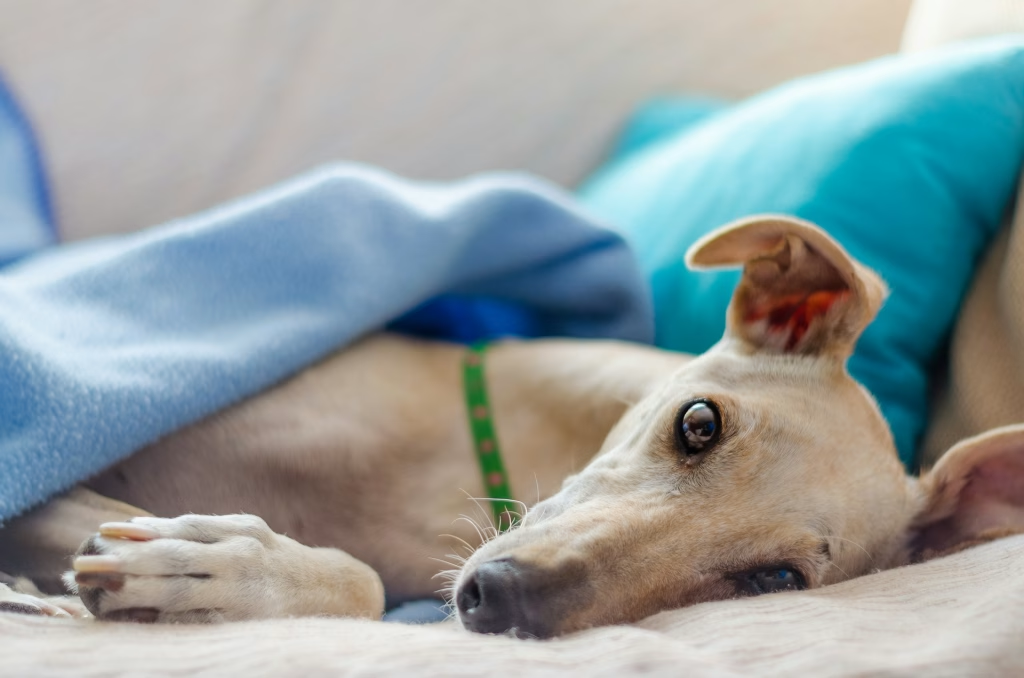
Despite their athletic reputation, Greyhounds are famously relaxed indoors. Often called “45-mph couch potatoes,” they enjoy calm environments and long resting periods. Many Greyhounds adapt well to quiet alone time after exercise.
4. Chow Chow

The Chow Chow forms strong bonds but expresses affection discreetly. This reserved nature allows it to tolerate separation better than highly clingy breeds. Its calm temperament makes solitude manageable, especially in a stable routine.
5. Lhasa Apso
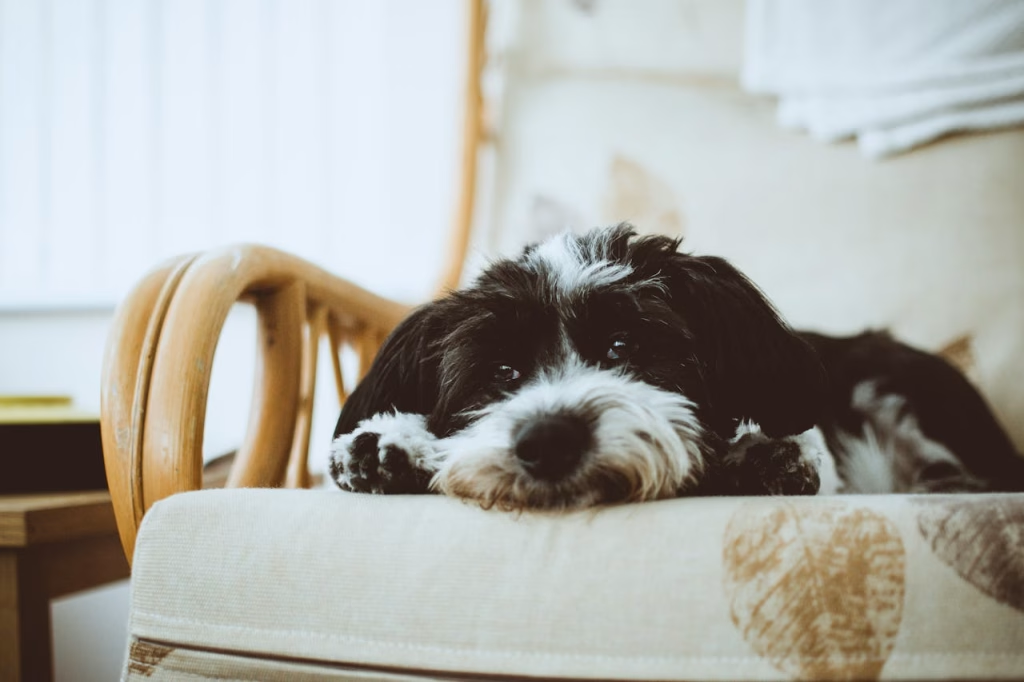
Historically used as monastery watchdogs, Lhasa Apsos learned to observe quietly for long periods. They are alert but emotionally stable, which helps them remain calm when left alone in a familiar environment.
6. Shar Pei
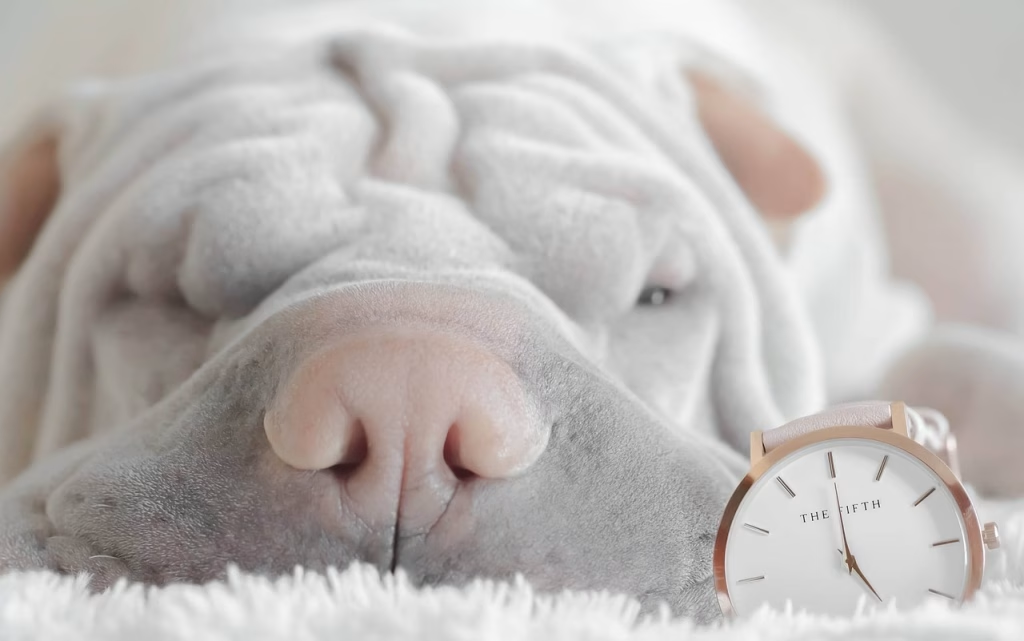
The Shar Pei is loyal yet self-contained. Unlike dogs that seek constant reassurance, this breed is comfortable occupying itself. With proper mental stimulation, it often handles short to moderate absences without anxiety.
7. Whippet
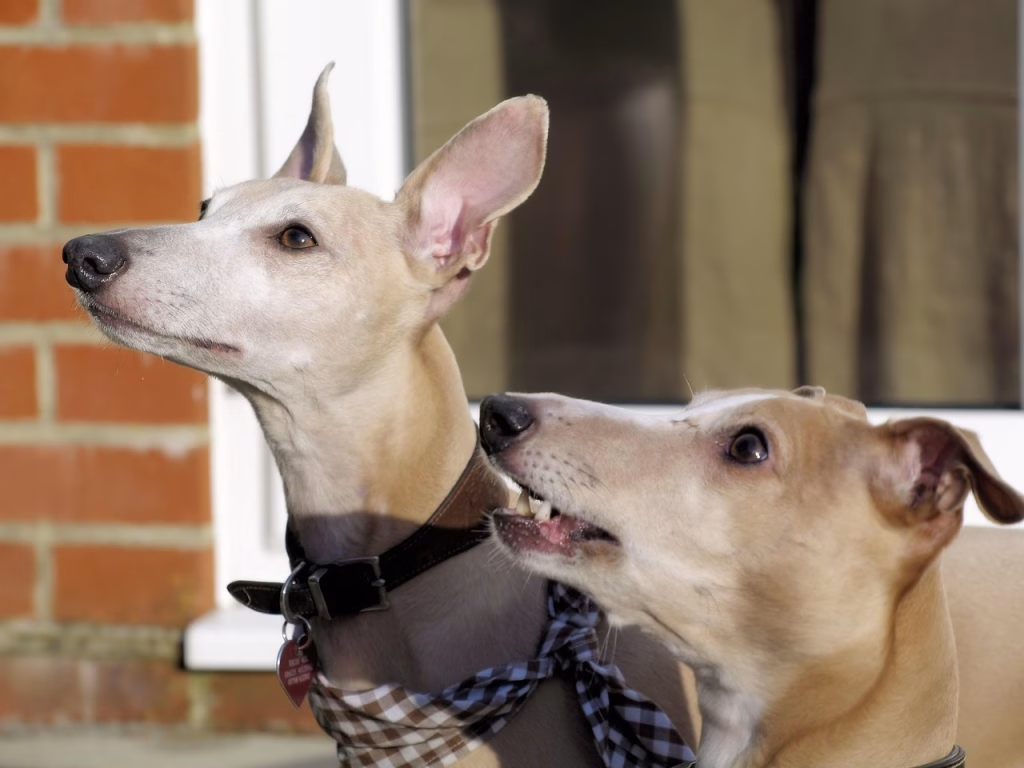
Closely related to the Greyhound, the Whippet shares the same relaxed indoor behavior. It enjoys human company but does not panic when left alone, especially after physical activity that releases pent-up energy.
8. Bullmastiff
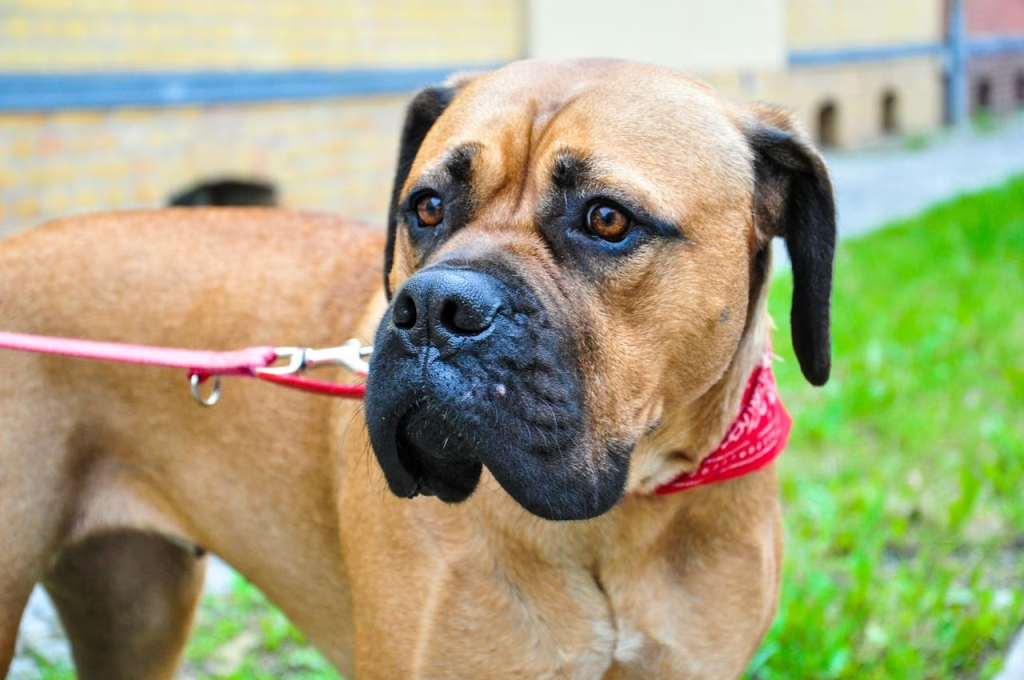
Large and composed, the Bullmastiff prefers calm companionship over constant interaction. These dogs are emotionally steady and often remain relaxed during alone time, provided they receive daily engagement.
9. Akita
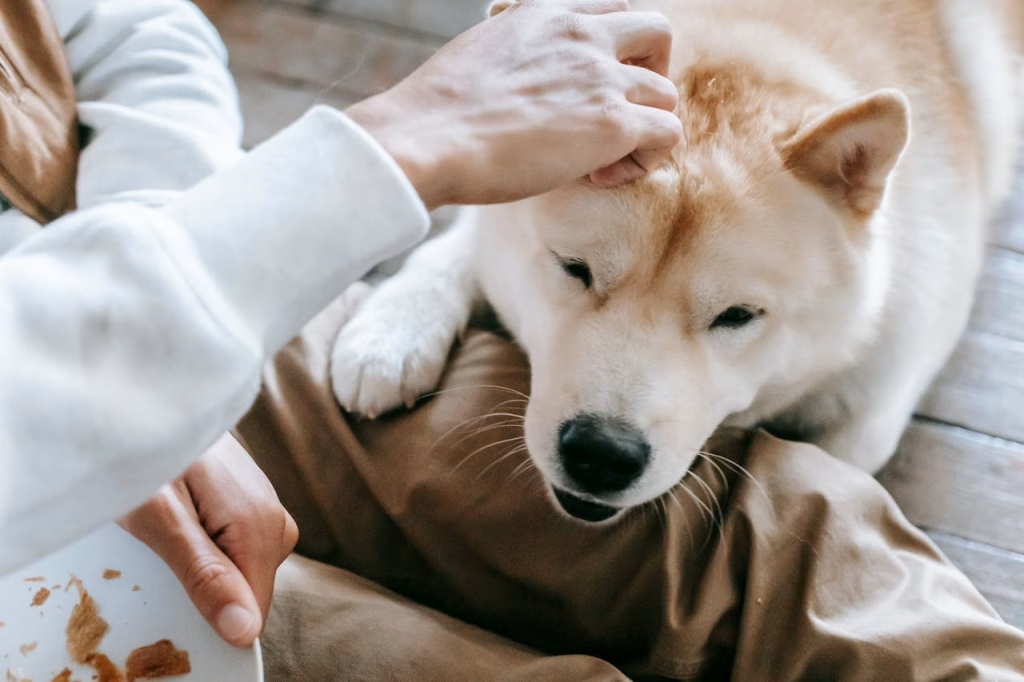
The Akita’s strong sense of independence comes from its working heritage. While deeply loyal, it does not require constant attention. This balance helps the breed manage solitude better than many companion-focused dogs.
10. Basenji
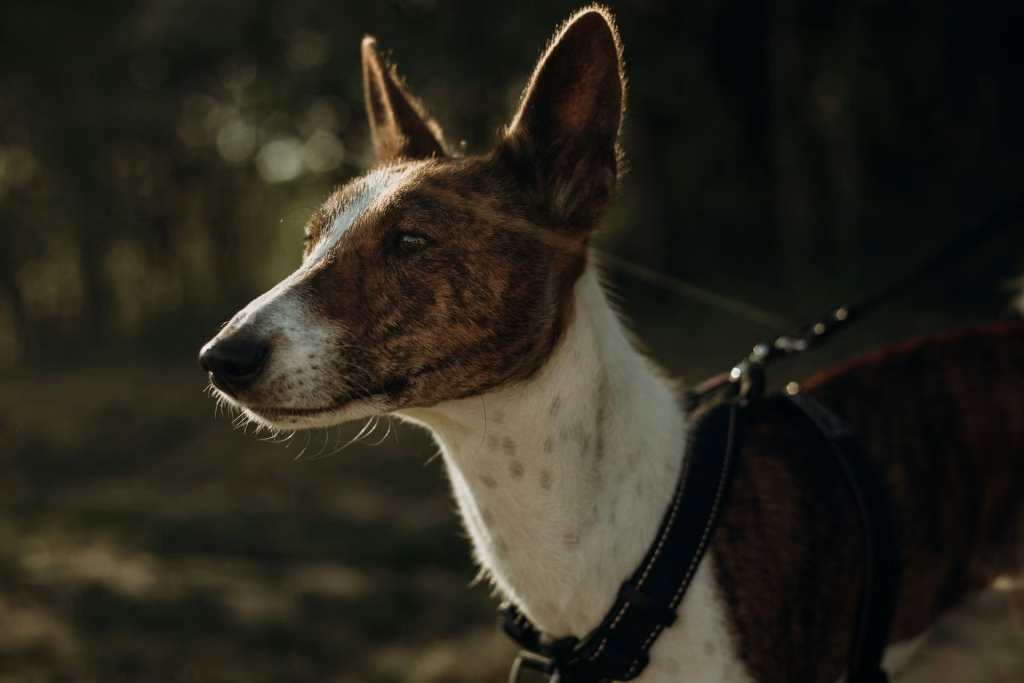
Often described as “cat-like,” the Basenji values autonomy and quiet. It was bred to hunt independently, which explains its ability to tolerate alone time better than highly social breeds.
Important Reality Check: Breed Is Not Everything
Even dogs known for handling solitude can develop separation anxiety if their needs are ignored. A dog’s ability to stay alone depends on:
- Proper daily exercise
- Mental stimulation
- Gradual training for alone time
- A predictable routine
- Emotional security with the owner
Conversely, dogs from “independent” breeds can still struggle if left suddenly, too long, or without preparation.
How to Help Any Dog Cope with Being Alone
Regardless of breed, you can improve your dog’s tolerance for solitude by:
- Leaving interactive toys or food puzzles
- Creating a calm departure routine
- Avoiding emotional goodbyes
- Ensuring sufficient physical activity before leaving
- Gradually increasing alone time instead of abrupt absences
Solitude should feel neutral, not stressful.
A Pawlore Perspective
Dogs do not measure time the way humans do. What matters is not how long you are gone, but how safe, stimulated, and secure your dog feels while you are away. Understanding breed tendencies helps, but daily care and emotional awareness matter far more.
A dog that feels fulfilled before solitude will often rest peacefully until you return.
Related:
- Which Cats Truly Adapt to Apartment Living? Behavioral Traits That Matter Most
- Why Your Dog Suddenly Barks at Nothing: Real Causes and What to Do
- The Way You Speak That Cats Love: Understanding Their Favorite Human Voice
- Hamster Cage Size Myths vs Wild Burrows
- DIY Sniffari: Build a Home Nose-Work Trail (Vet-Safe)
7 thoughts on “10 Dog Breeds That Stay Calmer When Left Alone at Home”