

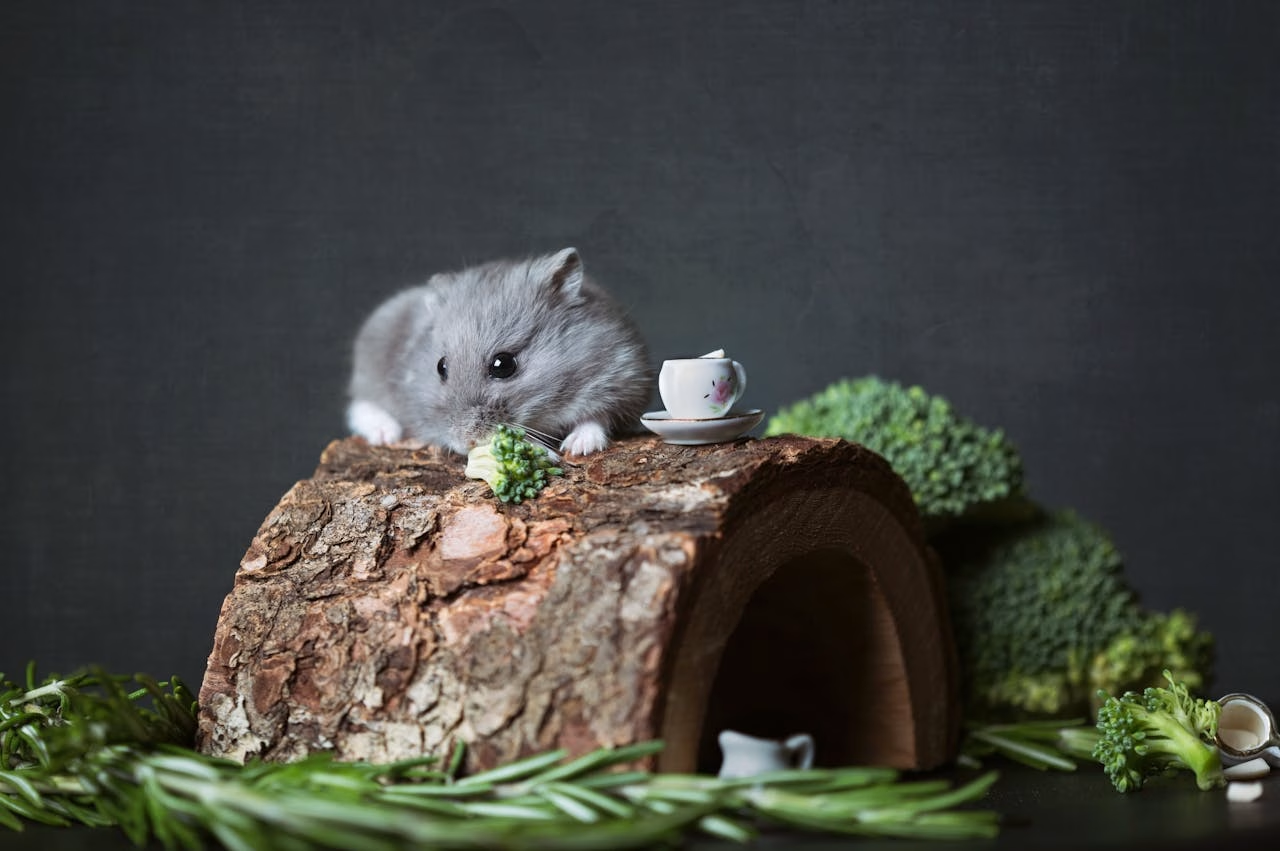
Hamsters may be small, but their behavioral needs are complex. Many stress-related problems in hamsters do not come from illness, but from environments that fail to meet natural instincts. Bar biting, pacing, excessive hiding, or sudden aggression often signal boredom or chronic stress rather than a “difficult” personality.
Hamster enrichment at home does not require expensive equipment or constant changes. Simple, well-designed setups that respect how hamsters naturally live can dramatically improve their well-being.
Why Hamsters Get Stressed in Captivity
In the wild, hamsters spend most of their time digging tunnels, searching for food, and navigating large territories. A basic cage with shallow bedding, a wheel, and a food bowl removes many of these behaviors.
Stress builds when hamsters cannot:
- Dig and burrow
- Explore safely
- Choose where to hide
- Control their activity cycles
Because hamsters are prey animals, stress often shows through subtle behaviors rather than loud signals. Enrichment reduces this stress by restoring choice, movement, and purpose.
The Foundation of Enrichment: Space and Bedding
Before adding toys, focus on the environment itself. Space and bedding depth matter more than accessories.
A suitable enclosure allows horizontal movement and multiple zones. Deep bedding is essential. Hamsters need enough depth to create tunnels and sleeping chambers.
Aim for:
- Deep, compactable bedding across most of the enclosure
- A mix of paper-based bedding and soft hay
- At least one area left undisturbed for burrowing
Digging is not optional enrichment. It is a core behavioral need.
Hideouts That Create Security
Hamsters feel safest when they can move between covered spaces. One visible hide is rarely enough.
Provide multiple hideouts connected by bedding or tunnels. Use a mix of materials such as wood, cardboard, or ceramic. Each hide should feel enclosed, not exposed.
Well-placed hides reduce stress by allowing hamsters to rest without feeling watched. A relaxed hamster sleeps deeply and emerges confidently at night.
Wheels That Support Natural Movement
Running is a natural behavior, but wheel choice matters. Small or poorly designed wheels can cause spinal strain and discomfort, which increases stress rather than reducing it.
A proper wheel should:
- Allow a straight back while running
- Rotate smoothly without noise
- Have a solid running surface
When movement feels comfortable, hamsters use wheels as healthy exercise instead of repetitive stress behavior.
Foraging Instead of Bowl Feeding
In the wild, hamsters spend hours searching for scattered food. Bowl feeding removes this mental effort.
Simple foraging setups restore natural feeding behavior. Scatter dry food lightly across bedding, hide it in paper rolls, or place it inside cardboard structures. This encourages sniffing, digging, and problem-solving.
Foraging enrichment slows eating, engages the brain, and reduces restlessness.
Natural Materials That Encourage Exploration
Hamsters benefit from varied textures. Adding safe, chewable materials supports both enrichment and dental health.
Examples include:
- Untreated cardboard
- Wooden tunnels and bridges
- Dried grasses or sprays
- Paper-based nesting materials
Rotation matters more than quantity. Introducing one new texture every few weeks keeps the environment engaging without overwhelming the hamster.
Sand Baths and Self-Care
Many hamster species rely on sand to clean their fur. A sand bath is not decoration. It supports grooming and stress regulation.
Use a shallow container filled with safe, dust-free sand. Place it in a consistent location so the hamster can access it freely. Some hamsters use sand baths for digging or food storage, which is normal behavior.
Handling and Enrichment Balance
Enrichment does not always mean interaction. Hamsters are solitary and often prefer observation over handling.
Forced handling increases stress, especially during the day. Enrichment works best when it allows the hamster to choose activity on its own terms.
Quiet environments, predictable routines, and gentle nighttime observation support trust over time.
Signs That Enrichment Is Working
A well-enriched hamster shows calm, purposeful behavior. Signs include regular burrowing, relaxed grooming, steady eating patterns, and curiosity during active hours.
Stress behaviors often fade gradually. Reduced bar biting, less frantic pacing, and deeper sleep signal improvement.
Final Thoughts
Hamster enrichment at home succeeds when it respects natural instincts rather than human convenience. Deep bedding, secure hides, foraging opportunities, and gentle variety form the core of stress reduction.
For Pawlore readers, enrichment means understanding life from the hamster’s perspective. When hamsters can dig, explore, and choose how they interact with their space, stress decreases and natural behavior returns. Simple setups, done thoughtfully, make a profound difference in a hamster’s quality of life.
Related: