

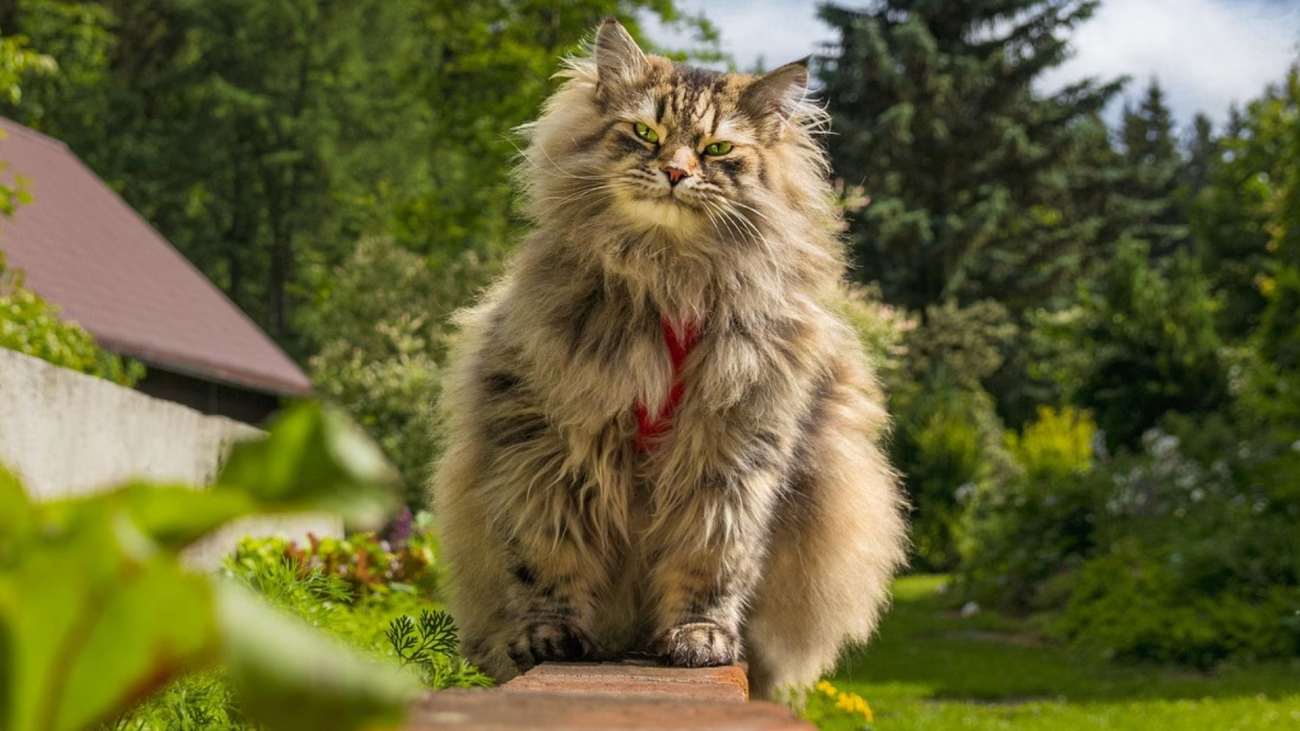
How Do You Create the Perfect Garden for Your Cat? (Quick Answer)
The ideal cat garden is safe, enclosed, and designed in three dimensions. It includes climbing areas, shaded resting spots, sensory plants, varied ground textures, and secure observation points. The layout should adapt to your cat’s age, health, and temperament.
Now let’s design it properly.
Cats are natural explorers. Even indoor cats crave fresh air, sun, scent trails, and elevated observation points. However, not every garden is automatically cat-friendly. Roads, toxic plants, predators, and escape routes can turn curiosity into danger.
At Pawlore, we focus on thoughtful enrichment. A well-designed garden supports physical activity, emotional stability, and safety at every life stage.
Step 1: Design According to Your Cat’s Age
A kitten’s needs differ dramatically from those of an adult or senior cat.
Kittens: Exploration With Protection
Kittens are driven by curiosity. They climb, chase, and squeeze into tight spaces. Because they are fragile and impulsive, a closed or secured environment is strongly recommended.
Low climbing structures work better than high platforms at this stage. Think small ramps, stable wooden logs, and soft ground surfaces. Provide suspended toys, catnip planters, and dense vegetation where your kitten can hide and nap.
Safety remains the priority. Roads, open fences, and deep water features pose real risks.
Adult Cats: Balance Between Activity and Observation
Adult cats need both movement and calm observation. An ideal garden includes elevated perches where they can monitor their surroundings, along with shaded corners for relaxation.
Provide sunny spots for basking and cool areas for hot days. Platforms, walls, and outdoor cat trees support their natural climbing instincts. Under shrubs or near flower beds, they enjoy quiet hideouts.
The adult cat thrives when both exercise and stillness are available.
Senior Cats: Comfort and Accessibility
As cats age, mobility decreases. High jumps become difficult. Uneven surfaces may cause discomfort.
Create flat pathways and soft ground materials. Place sheltered resting zones close to the house. Elevated areas should remain accessible through ramps rather than jumps.
Comfort becomes more important than adventure.
Step 2: Adapt the Garden to Your Cat’s Temperament
Personality shapes design.
A shy cat benefits from enclosed shelters and dense vegetation. Small covered huts or wooden hideaways offer security. Calm corners reduce stress.
An adventurous cat requires structured stimulation. Install agility paths, interconnected platforms, and tunnels linking garden zones. Movement pathways encourage exploration while keeping your cat within the property.
When the garden feels more interesting than the street, cats are less tempted to wander.
Step 3: Essential Elements for a Happy Cat Garden
Regardless of age or temperament, certain features consistently improve feline well-being.
Varied Ground Textures
Cats enjoy different surfaces. Combine grass, natural wood, soft mulch, smooth stone, and even a small sand patch. These textures stimulate the paws and enrich sensory experience.
Avoid sharp gravel or harsh artificial materials that may injure paw pads.
Sensory Plant Areas
Herbs such as thyme, rosemary, basil, and mint add scent stimulation. Catnip and Nepeta are particularly attractive. Valerian and safe ornamental grasses create additional sensory interest.
These zones act as natural enrichment spaces.
Resting Spots
Outdoor baskets, hammocks, or raised shelters offer secure rest areas. Cats prefer elevated views. Position these near sunny walls or shaded terraces depending on climate.
A comfortable rest area keeps your cat within the garden.
Step 4: Think Vertical
Cats are arboreal mammals. Vertical design transforms a simple garden into a feline playground.
Add platforms, low walls, tree stumps, outdoor cat trees, or wooden structures. Elevated observation posts allow your cat to feel in control of the environment.
Perching reduces stress. It satisfies instinct.
Step 5: Choose Safe Materials and Plants
Safety defines the ideal cat garden.
For ground surfaces, prioritize dense grass, natural stone, or soft plant-based mulch. Untreated wood logs and branches provide scratching posts and climbing platforms.
Remove toxic plants such as lilies, azaleas, oleander, yew, and hydrangeas. Instead, incorporate Boston fern, non-toxic bamboo, valerian, Nepeta, and cat grass.
Avoid pesticides and chemical weed killers. Use natural compost and organic gardening methods.
Your cat may chew leaves or roll in flower beds. Choose wisely.
Step 6: Upgrade an Existing Garden Without Major Construction
You do not need a full renovation to improve your cat’s outdoor space.
Observe where your cat already rests. Perhaps a sunny wall, shaded shrub, or terrace corner.
Add small improvements gradually. A raised shelter on the terrace. A shaded water bowl. A soft rest corner near a favorite wall.
Introduce new elements slowly. Cats prefer routine and may feel stressed by sudden changes.
Step 7: Create Functional Zones From the Start
If designing from scratch, organize the garden into clear areas:
- A central exploration zone with grass and hideouts
- Elevated observation zones with platforms and perches
- Quiet nap spaces in shaded or sunny spots
- A discreet natural litter area with soft soil
Loose soil in a hidden corner encourages your cat to eliminate in a consistent outdoor space.
Structure creates comfort.
Step 8: Protect Wildlife and Encourage Coexistence
Cats are natural hunters. To reduce predation, consider a colorful collar or bell. Schedule daily interactive play sessions to satisfy hunting instincts indoors before outdoor access.
Protect vegetable patches with fencing or rough mulch surfaces that cats dislike walking on.
Gardening products must remain non-toxic. Organic care protects both your plants and your pet.
The Catio: Controlled Freedom
For maximum safety, many owners choose a catio. This enclosed outdoor structure attaches to the house and provides controlled outdoor freedom.
A catio protects against traffic, predators, and neighborhood conflicts. It works especially well for timid, elderly, or indoor-only cats.
Include perches, scratching posts, hideouts, and non-toxic plants inside the enclosure. If connected directly to the home through a cat flap, your cat can move freely between indoor and outdoor space.
It combines enrichment with security.
Additional Safety Considerations
Secure ponds and deep water features. Close garages and sheds after gardening. Check inside before locking doors.
If preventing escape is a priority, install fences higher than 1.5 meters with an inward overhang.
A safe garden is one where curiosity does not lead to danger.
Final Thoughts
The ideal garden for your cat balances freedom and protection. It respects age, health, and temperament. It offers climbing, hiding, observing, and resting opportunities.
Most importantly, it evolves gradually. Introduce changes slowly. Observe behavior. Adjust accordingly.
At Pawlore, we believe outdoor enrichment strengthens both physical health and emotional stability. A well-designed garden does not just entertain your cat. It supports instinct, comfort, and long-term well-being.
Related:
- 10 Cat Breeds That Make Perfect Pets for Families and First-Time Owners
- Can Cats Get Colds? Symptoms, Home Care, and When to Call the Vet
- 7 Simple Ways to Celebrate National Pet Day That Your Pets Will Actually Enjoy
- Healthiest Dog Breeds to Consider If You Want Fewer Vet Visits and a Longer Life Together
- Seasonal Allergies in Dogs: The Silent Spring Itch Most Owners Misunderstand