

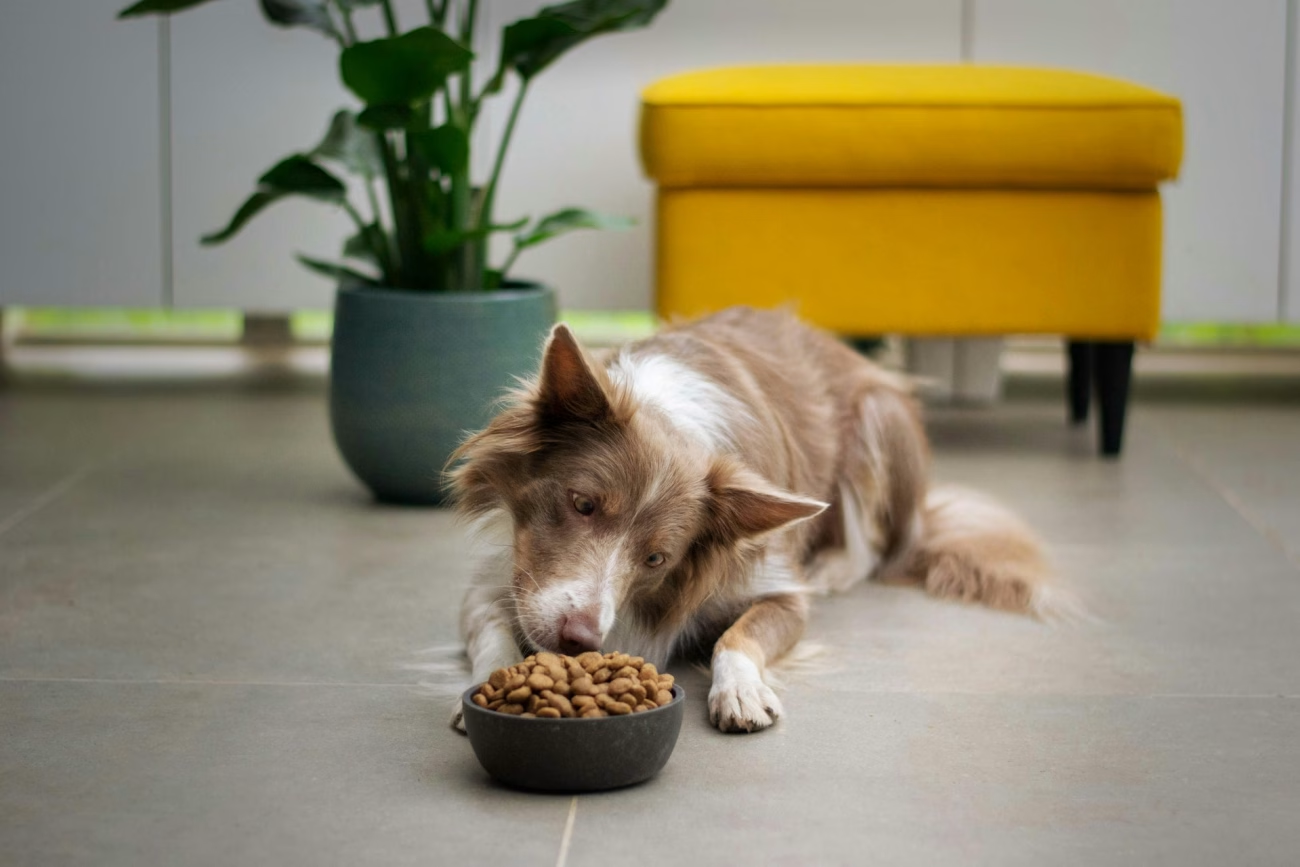
Many dogs receive treats as the default solution for boredom, excess energy, or lack of focus. While food rewards have their place, they are often overused. Over time, this can lead to weight gain, shallow engagement, and dogs that expect constant snacks instead of true interaction.
Non-food dog enrichment offers a different path. It focuses on movement, thinking, sensing, and connection. When done correctly, it tires dogs more deeply than treats ever could. The result is a calmer dog, a healthier routine, and a stronger relationship.
What Non-Food Enrichment Really Means
Non-food enrichment does not mean removing rewards or ignoring motivation. It means shifting the reward from calories to experience.
Dogs evolved to solve problems, explore their environment, cooperate with others, and regulate their energy through activity and rest. When enrichment reflects these needs, dogs feel satisfied rather than stimulated and restless.
This approach is especially valuable for dogs on weight-control plans, dogs with sensitive digestion, and dogs that become overexcited by food.
How Movement Tires Dogs Without Treats
Physical activity alone does not guarantee calm. A dog can run for an hour and still feel mentally under-stimulated. What matters is how the dog moves.
Structured walks that include sniffing, pauses, changes in direction, and surface variety require constant processing. A dog navigating the environment actively uses both body and brain.
Play follows the same rule. Games that include rules, pauses, and cooperation drain energy more effectively than repetitive throwing or chaotic chasing. When play ends calmly, the enrichment has worked.
Indoor movement matters as well. Simple obstacle paths, controlled stair work, or balance challenges activate muscles and coordination without overwhelming the nervous system.
Mental Work Without Food Rewards
Mental enrichment creates a different kind of fatigue. It demands focus, patience, and problem-solving.
Dogs enjoy figuring things out, even when no treat appears at the end. Opening a door on cue, locating a hidden toy, or learning a new task provides internal satisfaction. Success becomes the reward.
Training fits naturally into this category. Short, calm training sessions that rely on praise, play, or access to activities tire dogs by engaging attention and self-control. Food is optional, not required.
Choice also plays a powerful role. When dogs can choose between paths, toys, or resting spots, their brains stay active. Decision-making itself consumes mental energy.
Sensory Enrichment as a Calming Tool
A dog’s senses never rest, especially the nose. Allowing controlled sensory exploration is one of the fastest ways to tire a dog without food.
Sniffing sessions, scent trails made with toys, or searching for familiar objects use intense concentration. Ten focused minutes of scent work often equals a long walk in terms of mental fatigue.
Texture and surface variety add another layer. Grass, sand, smooth floors, cardboard, and fabric all stimulate body awareness. These experiences remain calm when introduced slowly and safely.
Even visual and sound-based stimulation can help certain dogs. Quiet observation of outdoor activity or gentle environmental sounds can reduce restlessness when used thoughtfully.
Social and Emotional Enrichment
Dogs are social animals. Interaction itself can be enriching when it involves cooperation rather than excitement.
Working alongside you, matching your pace, or completing tasks together builds emotional satisfaction. Calm presence also matters. Sitting together during daily routines teaches dogs how to settle without constant stimulation.
Enrichment does not always require action. Sometimes, shared stillness is the most valuable exercise.
Choosing the Right Type of Enrichment
Not all dogs need the same kind of enrichment. Age, energy level, personality, and health influence what works best.
Dog Profile Most Effective Non-Food Enrichment
High-energy dogs Structured movement and scent-based challenges
Anxious dogs Predictable routines and choice-based activities
Senior dogs Gentle problem-solving and sensory exploration
Puppies Short coordination tasks and safe exploration
Balance remains essential. Too much stimulation without rest leads to agitation rather than calm.
Signs Your Dog Is Truly Tired
A well-enriched dog relaxes naturally. You may notice slower movement, softer eyes, and voluntary rest. Calm attention replaces pacing or demand behaviors.
This state differs from exhaustion or overstimulation. True enrichment leaves dogs settled, not wired.
The Bottom Line
You do not need treats to tire your dog. You need intention.
Non-food dog enrichment works because it meets deeper needs. It challenges the mind, engages the body, and supports emotional balance. Dogs that work, explore, and connect feel fulfilled.
A tired dog is not defined by how many treats they consumed. A tired dog is one who used their brain, senses, and body in meaningful ways.
Related:
- Why Do Dogs Eat Grass? Normal Habit or Health Signal
- Why Do Cats Bite During Petting? Understanding Overstimulation
- Winter Dog Walks: How to Walk Smarter When the Weather Gets Tough
- 10 Dog Breeds That Stay Calmer When Left Alone at Home
- Is Your Dog Sleeping in the Right Place? How Sleep Affects Canine Health