

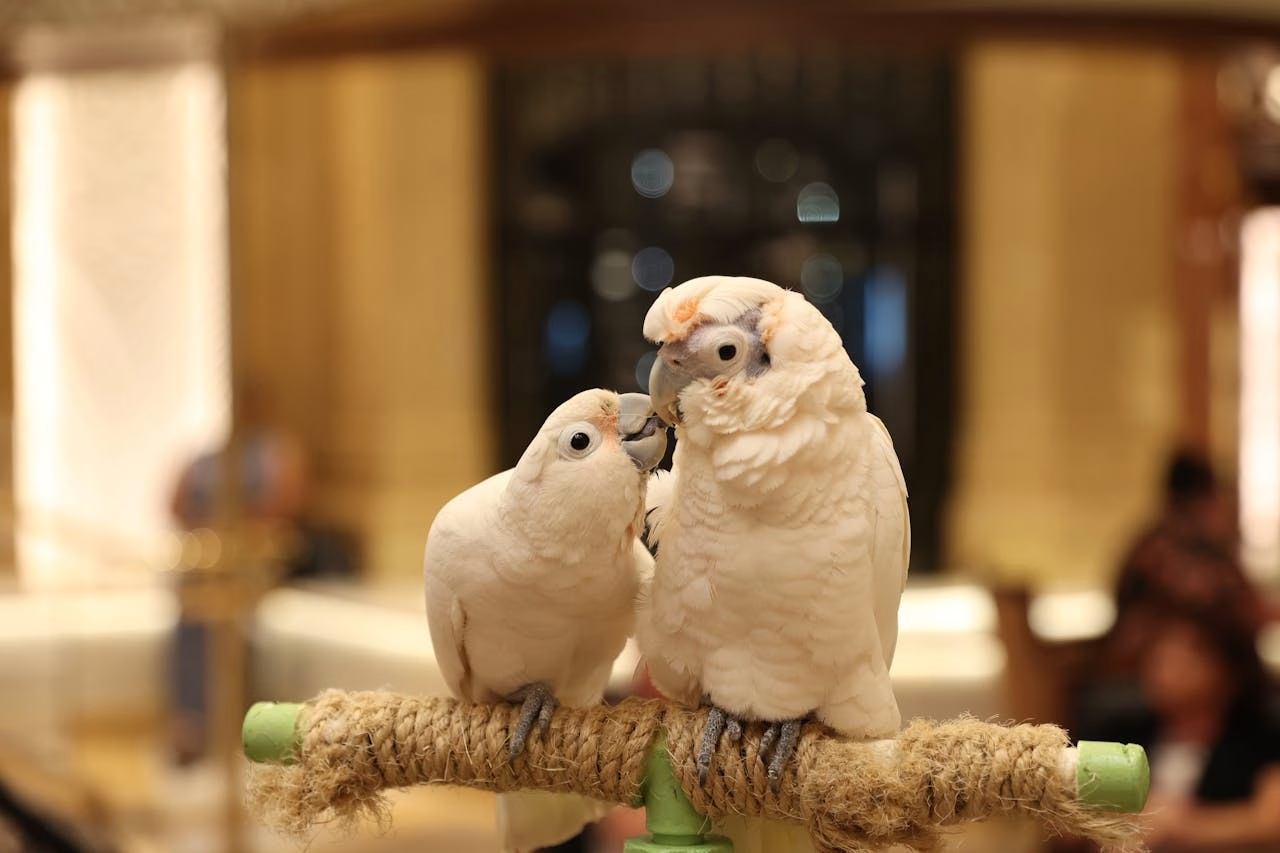
Screaming and feather damage are two of the most distressing problems parrot owners face. They are also among the most misunderstood. These behaviors are rarely signs of a “bad” or aggressive bird. In most cases, they are symptoms of unmet mental, emotional, and environmental needs.
Parrots are highly intelligent, socially complex animals evolved for constant interaction, movement, and problem-solving. When these needs are not met in captivity, stress builds. Screaming and feather damage are often the clearest signals that something in the bird’s daily life is missing.
Understanding enrichment basics is the first and most effective step toward calmer behavior and healthier feathers.
Why Parrots Scream and Damage Their Feathers
In the wild, parrots spend most of their day flying, foraging, vocalizing, and interacting with flock members. Silence and inactivity are rare. Captive life removes many of these natural outlets.
Screaming often develops as a communication strategy. A parrot may scream to seek attention, express frustration, react to boredom, or respond to environmental stressors. When screaming is rewarded with attention, even negative attention, it can quickly become a habit.
Feather damage, including chewing, barbering, or plucking, is usually linked to chronic stress. Boredom, loneliness, lack of control, hormonal imbalance, and an unstimulating environment all contribute. Once feather damage begins, it can persist even if the original cause improves, which is why early enrichment matters.
Enrichment Is Not Optional for Parrots
Enrichment is not entertainment. It is a core welfare requirement.
A well-enriched parrot environment provides opportunities to think, make choices, solve problems, and express natural behaviors. Without this, even physically healthy parrots can develop serious behavioral issues.
Effective enrichment focuses on three pillars: mental engagement, physical activity, and emotional security.
Enrichment Strategies That Reduce Screaming
Predictability reduces anxiety. Parrots thrive on routine. Regular feeding times, interaction periods, and rest cycles help birds feel secure and reduce stress-driven vocalizations.
Mental engagement is equally important. Foraging activities are one of the most powerful tools for reducing screaming. When parrots work to access food, they spend time thinking and manipulating objects instead of calling for attention.
Interactive training also helps. Short, positive training sessions build communication and confidence. A parrot that can earn attention through calm behaviors has less reason to scream.
It is important to avoid reinforcing screaming unintentionally. Responding immediately, shouting back, or rushing to the cage teaches the bird that screaming works. Calm, quiet behavior should receive attention instead.
Enrichment That Protects Feathers
Feather health depends heavily on mental well-being. Birds that feel in control of their environment are less likely to self-damage.
Providing shreddable and chewable materials allows parrots to release stress safely. Natural wood, paper, cardboard, and palm-based toys satisfy the urge to destroy without harming feathers.
Perch variety matters more than many owners realize. Different textures and diameters improve circulation, foot health, and comfort, which indirectly reduces stress-related behaviors.
Bathing opportunities also play a role. Many parrots benefit from regular misting or shallow bathing, which encourages natural preening and reduces irritation that can trigger feather chewing.
Social enrichment is critical. Even parrots that live alone need daily, meaningful interaction. Ignoring a parrot for long periods often leads to emotional distress expressed through feather damage.
Common Enrichment Mistakes to Avoid
More toys do not always mean better enrichment. Overcrowded cages can increase stress. Rotation is more effective than constant novelty.
Another mistake is providing toys without teaching the parrot how to use them. Some birds need gentle guidance to understand foraging or puzzle toys.
Finally, enrichment should not disappear once behavior improves. Removing stimulation often causes screaming or feather damage to return.
A Long-Term Approach That Works
Reducing screaming and feather damage is rarely about one fix. It is about building a daily life that respects a parrot’s intelligence and emotional needs.
When parrots are mentally engaged, physically active, and socially fulfilled, problematic behaviors often fade naturally. Enrichment does not silence a parrot. It helps them communicate in healthier ways.
By meeting these needs consistently, owners support not only quieter homes and healthier feathers, but also calmer, more confident birds.
Related:
- How to Build a Foraging Box for Your Parrot (Easy DIY)
- Penguins That Mate for Life: Myths and Truths About Loyalty in the Cold
- The 3-3-3 Rule for Dog Adoption: What to Expect and How to Help Your New Dog Adjust
- DIY Sniffari: Build a Home Nose-Work Trail (Vet-Safe)
- Feeding the Winter King: 5 Essential Foods for Backyard Squirrels