

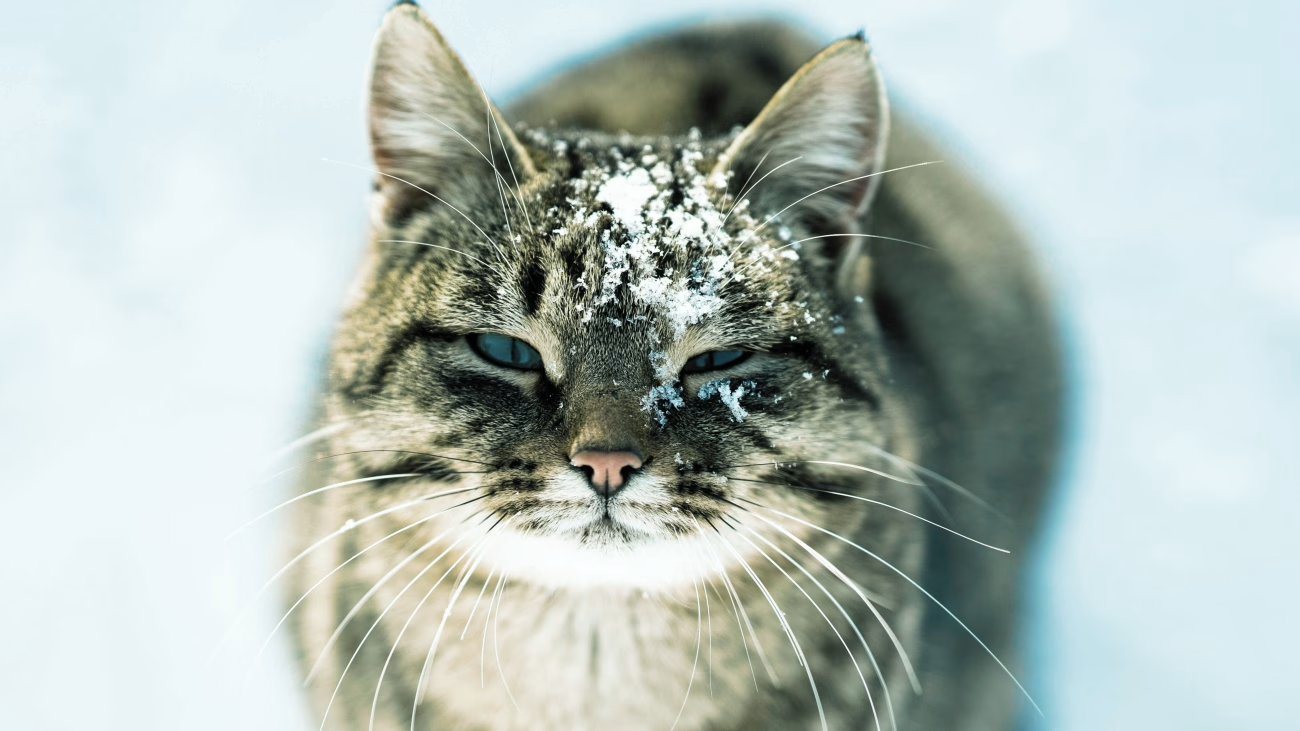
If your cat starts sneezing, breathing noisily, or has a runny nose, it’s easy to worry. Many cat owners ask the same question in this situation: can cats get colds? The answer is yes, but not in the same way humans do. What we commonly call a “cat cold” is usually a mild upper respiratory infection that affects the nose, eyes, and throat.
Most cases are not dangerous, but knowing what’s normal, what helps, and when to call the vet can make all the difference.
Can Cats Really Catch a Cold?
Cats don’t catch human cold viruses, but they can develop respiratory infections that look very similar. These infections are usually caused by feline-specific viruses that spread between cats, especially in shared environments or stressful situations.
Some cats recover fully, while others may carry the virus quietly and show symptoms again during periods of stress, such as moving house or introducing a new pet.
Cat Cold Symptoms: What Each Sign Means and What to Do
Cold symptoms in cats usually appear gradually. Sneezing is often the first sign, followed by nasal discharge or watery eyes. Some cats sound congested, breathe noisily, or seem less energetic than usual.
You may also notice a reduced appetite. This often happens because a blocked nose affects a cat’s sense of smell, not because the cat is refusing food intentionally.
| Symptom | What It Usually Means | What You Can Do |
| Occasional sneezing | Mild irritation or early cold | Monitor closely and keep your cat warm |
| Frequent sneezing | Active upper respiratory infection | Provide rest, hydration, and a calm environment |
| Clear runny nose | Common viral cold symptom | Gently clean the nose and increase humidity |
| Watery eyes | Eye irritation linked to congestion | Wipe eyes gently with a warm, damp cloth |
| Nasal congestion | Blocked airways affecting smell | Use a humidifier or steam from a bathroom |
| Reduced appetite | Loss of smell due to congestion | Offer warm, strong-smelling wet food |
| Lethargy | Body fighting infection | Allow rest and limit stress |
| Thick yellow or green discharge | Possible secondary infection | Contact a veterinarian |
| Open-mouth or labored breathing | Breathing difficulty | Seek veterinary care immediately |
| No improvement after 7–10 days | Cold not resolving on its own | Schedule a vet visit |
Why Do Cats Get Colds?
Most feline colds spread through close contact with other cats. Shared bowls, grooming, or even sneezing nearby can pass viruses from one cat to another. Stress also plays a major role. A stressed cat’s immune system is weaker, making it easier for dormant viruses to become active again.
Kittens, senior cats, and cats recovering from illness are more likely to develop noticeable symptoms.
How Long Do Cat Colds Last?
In mild cases, symptoms usually improve within a week and disappear entirely within ten days. Some congestion or occasional sneezing may last a bit longer, but your cat should otherwise seem comfortable and alert.
If symptoms get worse instead of better after a few days, it’s a sign that medical advice is needed.
How to Help Your Cat Recover at Home
For mild colds, simple supportive care is often enough. Make sure your cat has a warm, quiet place to rest, away from drafts and noise. Keeping the environment calm helps the immune system work more effectively.
Encouraging hydration is important. Fresh water should always be available, and wet food can help both with hydration and appetite. Slightly warming food can make it smell stronger and more appealing to a congested cat.
If your cat’s nose or eyes are dirty with discharge, gently wiping them with a warm, damp cloth can improve comfort. A humid environment can also help ease congestion, especially in dry weather.
Never give human cold medicine to a cat. Even small doses can be extremely dangerous.
When Should You Call the Vet?
Some symptoms should never be ignored. Contact your veterinarian if your cat:
- stops eating for more than 24 hours
- has thick yellow or green discharge from the eyes or nose
- breathes with difficulty or through an open mouth
- becomes unusually weak or withdrawn
- shows symptoms that last longer than ten days
Young kittens and older cats should be seen earlier, even if symptoms seem mild.
Can Cat Colds Be Prevented?
You can’t prevent every cold, but good care reduces the risk. Vaccinations help limit the severity of common viral infections. Keeping stress levels low, maintaining hygiene in multi-cat homes, and supporting your cat’s overall health all play a role.
Are Cat Colds Contagious to Humans?
No. Cat colds are species-specific. Humans and dogs cannot catch them, and cats cannot catch human colds either.
Final Thoughts
So, can cats get colds? Yes—and most of the time, they recover with rest, comfort, and a little extra care. The key is paying attention to changes in behavior and acting early when something doesn’t feel right.
A calm environment, gentle support, and timely veterinary advice help your cat breathe easier and get back to feeling like themselves.
Related:
One thought on “Can Cats Get Colds? Symptoms, Home Care, and When to Call the Vet”