

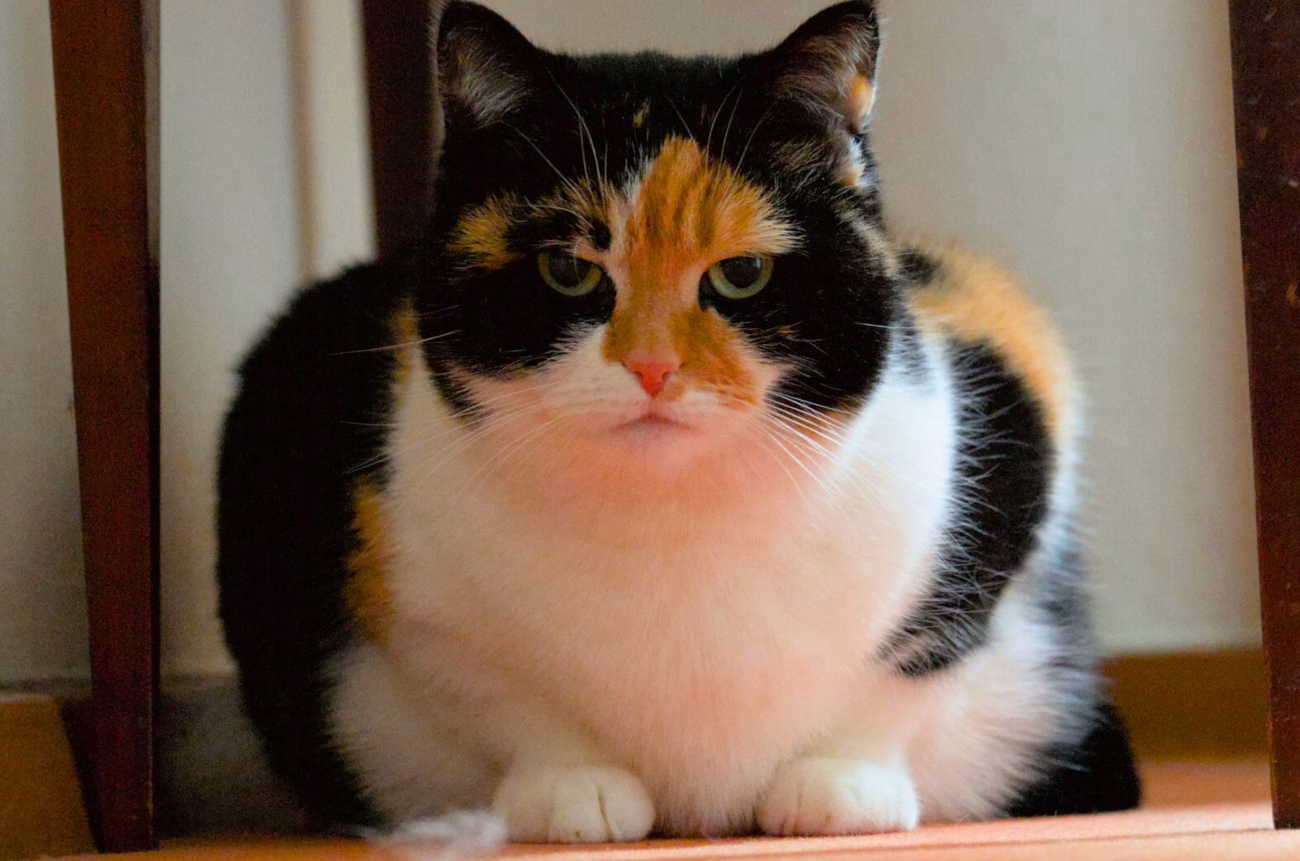
Cat obesity rarely happens overnight. It develops quietly, through small daily habits that feel harmless, an extra scoop of food, fewer play sessions, longer hours spent sleeping indoors. Because cats are naturally good at hiding discomfort, weight gain often goes unnoticed until it starts affecting health and behavior.
Understanding early signs of obesity and responding with gentle, realistic changes can protect your cat’s long-term well-being without stress or drastic measures.
Why Cat Obesity Is So Common Today
Modern domestic cats live very differently from their ancestors. Wild and semi-wild cats spend hours each day hunting, walking, climbing, and problem-solving for food. Indoor cats, by contrast, often have unlimited access to calories and limited reasons to move.
Neutering, aging, and certain diets can slow metabolism, but lifestyle plays the biggest role. Obesity is not about laziness or overfeeding alone, it is about imbalance between energy intake and daily activity.
Early Signs of Obesity Many Owners Miss
Weight gain in cats can be subtle, especially under thick fur. Early detection depends on observation, not just numbers on a scale.
A healthy cat should have a visible waist when viewed from above. When the body looks round or oval instead, fat accumulation may already be present. From the side, the belly should tuck slightly upward rather than hanging low.
Reduced grooming is another early sign. Overweight cats often struggle to reach certain areas, leading to greasy fur or mats along the back and hindquarters. You may also notice your cat resting more, jumping less confidently, or hesitating before climbing furniture they once used easily.
Behavioral changes matter too. Decreased play interest, irritability, or fatigue during short activity sessions can signal excess weight placing strain on joints and muscles.
Why Extra Weight Is a Health Risk for Cats
Cat obesity is not cosmetic. Excess fat affects nearly every system in the body.
Overweight cats face higher risks of diabetes, joint disease, heart strain, and urinary problems. Extra weight also makes routine illnesses harder to manage and recovery slower.
Perhaps most importantly, obesity reduces quality of life. A cat that avoids movement or play is missing essential mental and physical stimulation.
Gentle Fixes That Actually Work
Effective weight management for cats does not rely on sudden restriction or intense exercise. Gentle, sustainable changes are far more successful.
Adjust Portions Thoughtfully
Free-feeding often leads to overeating. Measured meals help regulate intake without causing hunger stress. Small reductions, guided by feeding recommendations and veterinary advice, are safer than drastic cuts.
Wet food can support weight management because it is often lower in calories per volume and increases satiety. Regardless of food type, consistency matters more than perfection.
Make Movement Natural
Cats do not exercise like dogs. Short, frequent play sessions work better than long ones. Even five minutes, two or three times a day, can make a difference.
Use toys that trigger stalking, pouncing, and chasing instincts. Movement should feel rewarding, not forced. Let your cat rest between bursts of activity.
Encourage Effort Without Pressure
Food puzzles and slow feeders gently increase activity by adding effort to meals. This mirrors natural foraging behavior and reduces boredom-related eating.
Placing food bowls in different locations or using vertical space encourages light movement throughout the day.
Avoid Common Weight-Loss Mistakes
Rapid weight loss is dangerous for cats. Severe calorie restriction can lead to serious liver complications. Any weight-loss plan should be gradual and monitored.
Do not rely on constant laser-pointer play without physical payoff. Cats need the satisfaction of catching something tangible to avoid frustration.
Avoid punishing food-seeking behavior. Begging often increases when routines change. Calm consistency works better than reacting emotionally.
Supporting Emotional Well-Being During Weight Changes
Cats are sensitive to routine changes. Sudden feeding schedule shifts or reduced interaction can cause stress, which may worsen inactivity or overeating.
Maintain predictable meal times, offer affection independent of food, and keep play sessions calm and positive. Weight management should improve confidence, not create anxiety.
When to Seek Professional Guidance
If weight gain continues despite gentle adjustments, veterinary input is essential. Hormonal issues, pain, or underlying illness can contribute to reduced activity.
A veterinarian can help determine ideal weight, safe calorie ranges, and realistic timelines. This guidance prevents guesswork and protects your cat’s health.
Small Changes, Lasting Results
Cat obesity is a signal. It reflects how closely a cat’s environment matches natural needs for movement, mental stimulation, and balanced nutrition.
By noticing early signs and choosing gentle fixes, owners can restore balance without stress. The goal is not rapid weight loss, but a cat that moves comfortably, plays willingly, and enjoys daily life again.
Healthy cats are not defined by numbers on a scale. They are defined by how freely they move, how confidently they explore, and how engaged they remain with the world around them.
Related:
- How to Help Birds Survive Winter: Food, Water, and Shelter Tips
- Feeding the Winter King: 5 Essential Foods for Backyard Squirrels
- Penguins That Mate for Life: Myths and Truths About Loyalty in the Cold
- 10 Dog Breeds That Stay Calmer When Left Alone at Home
- The Best Ways to Keep Pets Safe During a Winter Storm