

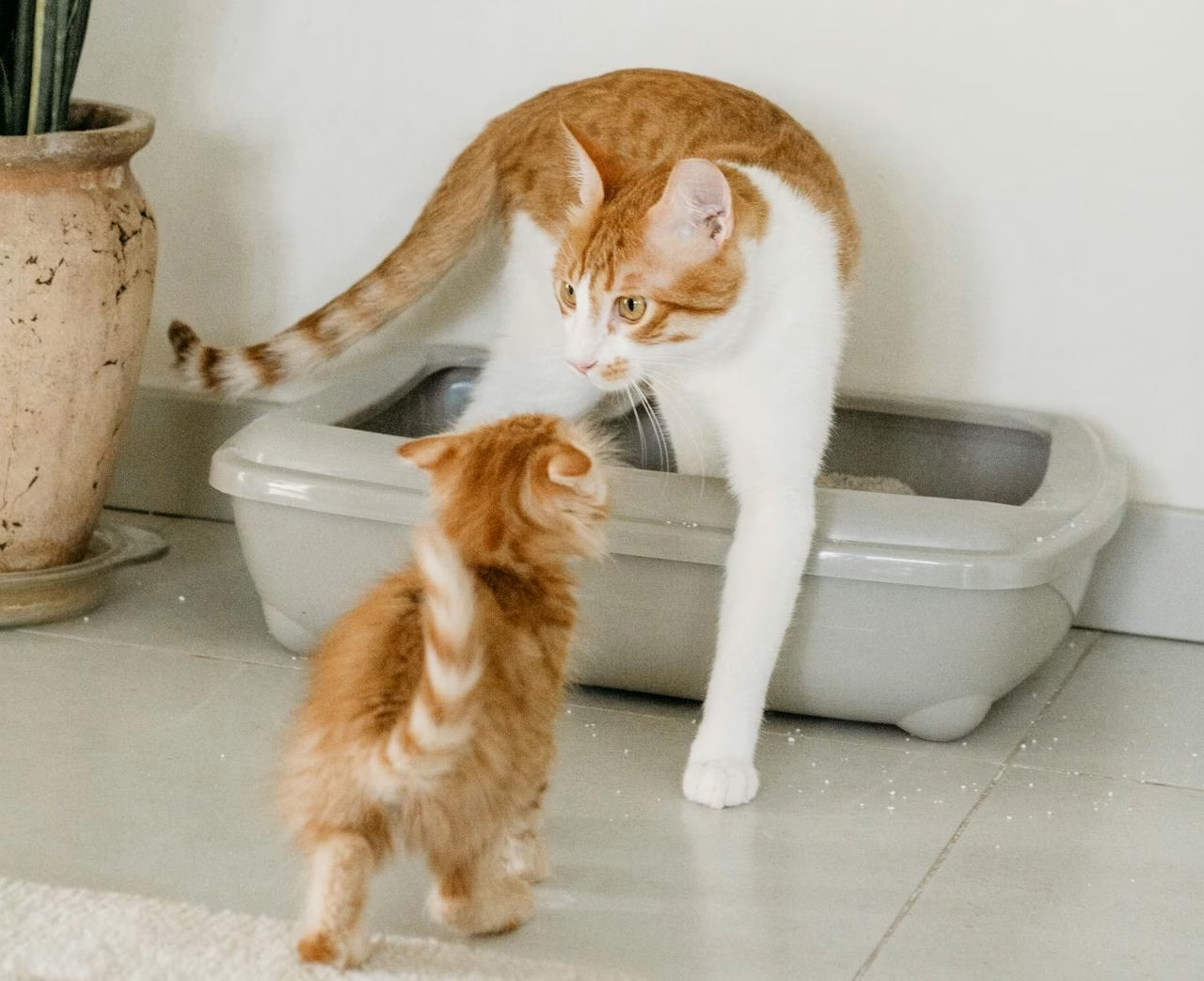
Finding urine outside the litter box can be frustrating, confusing, and worrying. Many cat owners assume their cat is being stubborn or “acting out,” but cats rarely eliminate outside the box without a reason. This behavior is almost always a signal, not a protest.
When a cat stops using the litter box, something in their body, environment, or emotional state has changed. Ignoring the issue or punishing the cat often makes the situation worse. Understanding the cause is the only way to fix the behavior and protect your cat’s health.
Why Litter Box Problems Deserve Immediate Attention
Cats instinctively prefer clean, predictable places to eliminate. Using the litter box is not something they need to be trained to do repeatedly. When that habit breaks, it usually means the litter box has become uncomfortable, unsafe, or associated with pain.
In many cases, inappropriate urination is the first visible sign of a medical issue. In others, it reflects stress or disruption that the cat cannot express in any other way.
Either way, urine outside the box should never be dismissed as a phase.
Medical Causes You Should Rule Out First
Health problems are one of the most common reasons cats stop using the litter box. These causes often require veterinary attention.
Urinary tract infections can make urination painful and urgent. A cat may associate the litter box with discomfort and seek out other locations. Bladder inflammation, crystals, or stones can create similar patterns, sometimes with frequent small amounts of urine.
Kidney disease and diabetes increase urine production. Cats may not reach the litter box in time, especially if it is far away or difficult to access.
Arthritis also plays a role, particularly in older cats. Climbing into a high-sided box or navigating stairs may become painful, leading the cat to choose easier spots.
If urination outside the box appears suddenly, happens frequently, or comes with changes in appetite, thirst, or energy, a veterinary visit should be the first step.
Stress and Emotional Triggers
Cats are highly sensitive to change. Even small disruptions can feel overwhelming.
A new pet, a new baby, visitors, moving furniture, or changes in routine can all trigger stress-related urination. In multi-cat households, tension or competition over resources often leads one cat to avoid the litter box.
Urine marking also differs from normal urination. When cats spray vertical surfaces, they communicate insecurity or territorial stress rather than elimination needs.
Stress-related urination is not a behavior problem. It is an emotional response that requires environmental adjustment, not discipline.
Litter Box Setup Problems
Sometimes the problem lies entirely with the litter box itself.
Cats may reject a box that smells strongly of cleaning chemicals or has not been cleaned frequently enough. Litter texture matters as well. Sudden changes in litter type often cause cats to seek alternative surfaces.
Location also plays a critical role. A box placed in a noisy, high-traffic, or hard-to-reach area can feel unsafe. Covered boxes may trap odors or make cats feel cornered, while uncovered boxes may feel too exposed for some individuals.
Even the number of boxes matters. In homes with multiple cats, competition or guarding behavior can prevent access.
Learned Associations and Pain Memory
Cats form strong associations. If a cat experiences pain while urinating, they may blame the location rather than the sensation itself.
This explains why some cats avoid the litter box even after a medical issue resolves. The box has become linked to discomfort in the cat’s memory.
Rebuilding trust often requires changing box placement, litter type, or box design to break that association.
Why Punishment Makes the Problem Worse
Punishing a cat for peeing outside the litter box increases fear and stress. It does not teach the cat what to do differently. Instead, it often leads to more hiding, more anxiety, and more inappropriate elimination.
Cats need safety and predictability to use the litter box consistently. Fear undermines both.
How to Support Your Cat the Right Way
The solution depends on the cause, but certain principles apply in almost all cases.
Medical issues must be addressed first. Environmental changes should be gradual and respectful of the cat’s preferences. Litter boxes should feel accessible, clean, and safe.
Patience matters. Once a cat starts eliminating outside the box, reversing the habit takes time and consistency.
Common Causes at a Glance
| Cause Category | Typical Signs |
| Medical issues | Frequent urination, pain, accidents near the box |
| Stress or anxiety | Marking, changes after life events |
| Litter box problems | Avoidance of box, preference for specific surfaces |
| Mobility issues | Accidents near sleeping areas |
| Learned avoidance | Continued accidents after illness |
The Bottom Line
A cat peeing outside the litter box is not misbehaving. The behavior is communication.
Whether the cause is medical, emotional, or environmental, your cat is signaling that something feels wrong. Listening early protects your cat’s health and prevents long-term habits that are harder to reverse.
When in doubt, take the behavior seriously. Your cat depends on you to notice what they cannot say out loud.
Q&A: Cat Peeing Outside the Litter Box
Is my cat doing this out of spite?
No. Cats do not urinate out of revenge or defiance. The behavior always has a physical or emotional cause.
Should I change the litter immediately?
Only if you recently switched it. Abrupt changes can make the problem worse. If change is needed, do it gradually.
Can stress alone cause this behavior?
Yes. Stress is a very common trigger, especially in multi-cat homes or after routine changes.
When should I see a vet?
Any sudden change, frequent accidents, or signs of pain require veterinary evaluation as soon as possible.
Will this stop on its own?
Rarely. Without addressing the underlying cause, the behavior often continues or worsens.
Related:
- Why Do Cats Bite During Petting? Understanding Overstimulation
- Is Your Dog Sleeping in the Right Place? How Sleep Affects Canine Health
- Non-Food Dog Enrichment: How to Tire Your Dog Without Treats
- Feeding the Winter King: 5 Essential Foods for Backyard Squirrels
- Winter Dog Walks: How to Walk Smarter When the Weather Gets Tough