

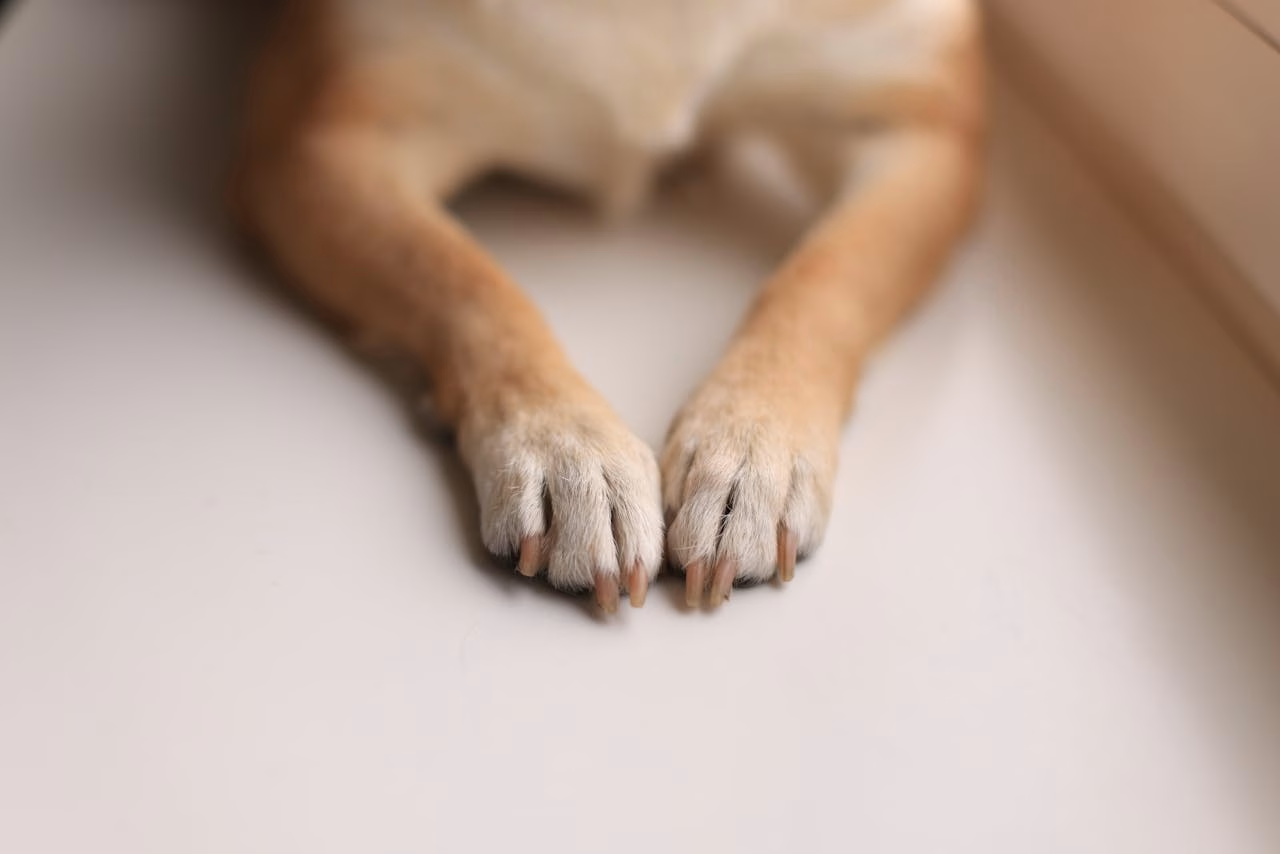
A chipped nail might seem minor at first, but when a dog suddenly starts limping, it quickly becomes a source of worry. This situation is more common than many owners realize, and while it is rarely life-threatening, it should never be ignored.
If your dog has a chipped front paw nail and is now limping, understanding what is happening beneath the surface can help you decide when home care is enough and when veterinary attention is necessary.
Why a Chipped Nail Can Cause Limping
A dog’s nail is not just hard keratin. Inside the nail runs the quick, a sensitive area containing nerves and blood vessels. When a nail chips, cracks, or partially breaks, the quick may be exposed or irritated.
Even if there is little or no bleeding, the injury can be painful. Dogs place a significant amount of weight on their front paws, especially when walking, turning, or stopping. Any discomfort in a front nail often leads to visible limping.
In some cases, the nail may look only slightly damaged, but a small split can extend upward toward the quick, causing pain every time the paw touches the ground.
Common Signs Beyond Limping
Limping is usually the first sign owners notice, but nail injuries often come with other subtle clues. Some dogs lick or chew the affected paw repeatedly. Others hold the paw slightly raised or place less weight on it when standing.
You may also notice sensitivity when the paw is touched, reluctance to walk on hard surfaces, or a sudden change in activity level. In more serious cases, swelling, redness, or discharge can appear around the nail.
When a Chipped Nail Is an Emergency
Not all chipped nails require an urgent vet visit, but some situations should be treated as time-sensitive.
If the nail is actively bleeding and does not stop within several minutes of gentle pressure, veterinary care is recommended. Visible cracks extending toward the base of the nail, severe limping, or signs of infection such as swelling, heat, or pus also require professional evaluation.
Dogs that cry out, refuse to walk, or show sudden behavioral changes may be experiencing more pain than the injury appears to cause.
What You Can Safely Do at Home
If the nail is chipped but stable, and your dog is only mildly limping, short-term home care may help.
Keeping the paw clean and dry is essential. Limiting activity for a few days reduces pressure on the nail and allows healing. Preventing licking is important, as saliva introduces bacteria and delays recovery.
Do not attempt to cut or pull the damaged nail unless you are experienced and can clearly see where the quick ends. Improper trimming can worsen pain and bleeding.
If limping does not improve within 24 to 48 hours, or if it worsens, a veterinary visit is the safest next step.
Why Veterinary Care Is Sometimes Necessary
Veterinarians can assess how deep the damage goes and whether the quick is involved. In some cases, the loose portion of the nail must be safely trimmed or removed under controlled conditions.
Pain management, protective bandaging, or antibiotics may be prescribed if there is inflammation or infection. Addressing the issue early often shortens recovery time and prevents chronic discomfort.
How Long Does Healing Take?
Most uncomplicated nail injuries improve within a few days once pressure is reduced. Full nail regrowth takes several weeks, during which the area may remain sensitive.
During healing, keeping nails properly trimmed and avoiding rough surfaces can reduce the risk of re-injury.
Preventing Future Nail Injuries
Nail damage often happens when nails are slightly too long or when dogs run on hard or uneven surfaces. Regular nail maintenance helps prevent catching and splitting.
Providing traction on slippery floors and monitoring play on abrasive ground can also reduce stress on nails, especially for active or older dogs.
Trust the Limp
A limp is your dog’s way of signaling pain. Even a small nail injury can cause real discomfort, particularly on the front paws. While many chipped nails heal well with basic care, persistent limping is always a reason to pay closer attention.
Responding early protects your dog from unnecessary pain and helps ensure a smooth, uncomplicated recovery.
Related:
- Penguins That Mate for Life: Myths and Truths About Loyalty in the Cold
- The 3-3-3 Rule for Dog Adoption: What to Expect and How to Help Your New Dog Adjust
- DIY Sniffari: Build a Home Nose-Work Trail (Vet-Safe)
- Feeding the Winter King: 5 Essential Foods for Backyard Squirrels
- Parrot Enrichment Basics: Reducing Screaming and Feather Damage
One thought on “Dog Front Paw Nail Chipped and Limping: What It Means and What to Do”