

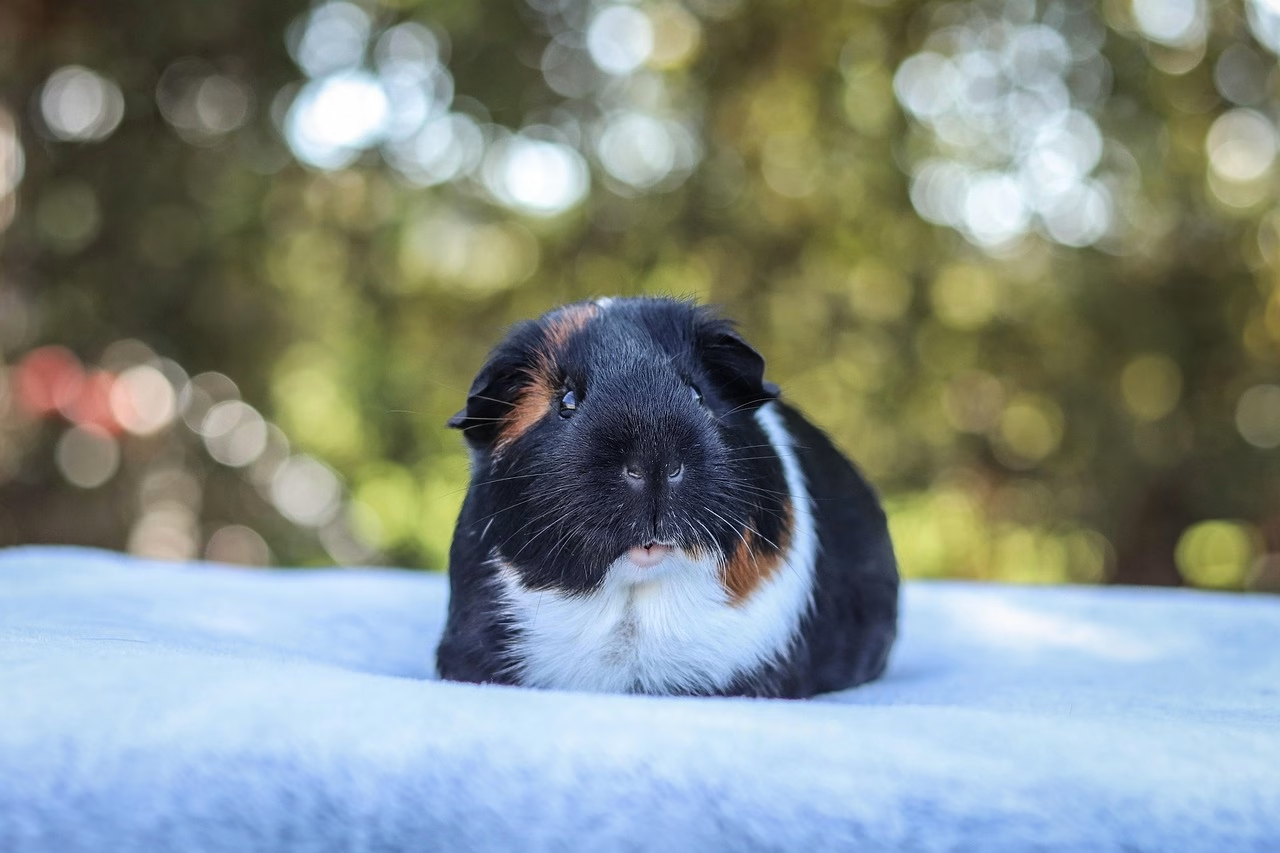
Guinea pigs are gentle, expressive animals, yet they are experts at hiding discomfort. As prey species, they instinctively mask weakness to avoid appearing vulnerable. This trait makes early health problems easy to miss, especially for attentive owners who assume quiet behavior is normal.
Understanding guinea pig health basics means learning to recognize subtle changes before they become emergencies. Early detection often makes the difference between simple care and serious intervention.
Why Guinea Pigs Hide Illness
In the wild, showing pain attracts predators. Domestic guinea pigs retain this instinct. They may continue eating small amounts, moving slowly, or interacting briefly even when unwell.
Because of this, illness rarely appears as dramatic symptoms at first. Instead, it shows through small, gradual shifts in routine. Owners who notice and act early give their guinea pigs the best chance of recovery.
Changes in Eating and Drinking
One of the earliest warning signs involves food intake. Guinea pigs should eat frequently throughout the day, especially hay.
Warning signs include reduced interest in hay, chewing more slowly, dropping food, or favoring one side of the mouth. These changes often point to dental problems, which are common and can worsen quickly.
Water intake matters as well. Drinking much less or significantly more than usual can signal pain, dehydration, or underlying illness.
Weight Loss That Goes Unnoticed
Weight loss is one of the most reliable indicators of health problems in guinea pigs. Unfortunately, it often goes unnoticed until the loss becomes severe.
Weekly weighing using a kitchen scale provides valuable insight. Even small drops can indicate issues such as dental disease, digestive problems, or infection.
A guinea pig that looks normal but weighs less than usual is sending an early warning.
Subtle Behavior Changes
Behavior often shifts before physical symptoms appear. Guinea pigs that feel unwell may move less, hide more often, or appear less curious during routine activities.
You may notice slower responses, reluctance to explore, or reduced vocalization. Some guinea pigs become unusually still, while others seem restless and uncomfortable.
These changes are easy to dismiss as mood fluctuations, but they often reflect discomfort.
Breathing and Posture Signals
Healthy guinea pigs breathe quietly and evenly. Any change deserves attention.
Watch for shallow breathing, flared nostrils, or subtle head movement with each breath. Sitting puffed up, hunched, or stretched out for long periods can indicate pain or respiratory distress.
Respiratory infections progress quickly in guinea pigs and should never be delayed.
Coat, Eyes, and Nose Clues
A healthy guinea pig has a smooth coat, bright eyes, and a dry nose. Early illness may appear as dull fur, slight eye discharge, or crust around the nose.
Wet fur around the mouth or chin can indicate dental pain or difficulty swallowing. Tear staining or partially closed eyes often signal discomfort even without obvious infection.
Visual checks during daily interaction help catch these details early.
Digestive Changes Owners Overlook
Guinea pig digestion depends on constant movement through the gut. Changes in droppings are important signals.
Smaller, misshapen, or fewer droppings suggest slowed digestion. Soft stools or soiled fur around the rear can indicate imbalance or illness.
Digestive issues escalate rapidly and require prompt attention.
Why Early Action Matters
Guinea pigs decline faster than many larger pets. Waiting for clear signs of illness often means the condition has already progressed.
Early veterinary care improves outcomes and reduces stress for the animal. Even when symptoms seem mild, professional evaluation is safer than watchful waiting.
Building a Simple Health Monitoring Routine
Healthy guinea pig care relies on consistency rather than complexity. A basic routine includes daily observation, weekly weighing, regular cage cleaning, and a diet rich in hay and vitamin C.
Knowing what is normal for your guinea pig allows you to notice what is not.
Listening to the Quiet Signals
Guinea pig health basics begin with awareness. Illness rarely arrives suddenly. It whispers through small changes in eating, weight, posture, and behavior.
For Pawlore readers, early recognition is an act of care and respect. When you learn to see the quiet signals guinea pigs send, you protect their comfort, extend their lives, and strengthen the bond you share.
FAQ:
What are early signs of illness in guinea pigs?
Early signs include reduced eating, weight loss, behavior changes, altered breathing, and changes in droppings.
Why do guinea pigs hide illness?
Guinea pigs hide illness due to prey instincts that discourage showing weakness.
How often should I weigh my guinea pig?
Weekly weighing helps detect health problems early.
When should a guinea pig see a vet?
Any unexplained change in eating, weight, posture, or behavior should prompt a veterinary visit.
Related:
- Why Do Dogs Dig Holes? Common Reasons and Practical Fixes
- Indoor Cat Enrichment That Reduces Biting and Scratching
- You Want a Dog That Learns Fast? Why “Easy to Train” Breeds Can Make Daily Life Harder
- Hamster Enrichment at Home: Simple Setups That Reduce Stress
- Is Your Dog Sleeping in the Right Place? How Sleep Affects Canine Health
One thought on “Guinea Pig Health Basics: Early Signs Owners Often Miss”