


When people search for the healthiest dog breeds, they’re usually asking a deeper question:
Which dogs tend to live longer, suffer fewer inherited problems, and stay active well into old age?
While no dog is guaranteed perfect health, some breeds are consistently known for strong genetics, balanced body structure, and resilience. Understanding why these dogs tend to stay healthier can help you make a smarter, more compassionate choice, whether you’re adopting a puppy or welcoming an adult dog into your life.
What “Healthy” Really Means in Dogs
A healthy dog breed is not one that never gets sick. Instead, it’s a breed that tends to:
- have fewer inherited diseases
- avoid extreme physical traits that strain the body
- maintain good mobility and organ function with age
- live longer than the average canine lifespan
Health is shaped by genetics, but also by lifestyle, breeding practices, and daily care. Breed tendencies simply tilt the odds.
Why Some Dog Breeds Are Healthier Than Others
Many health problems in dogs come from exaggerated features—such as very flat faces, extremely short legs, or oversized bodies. Breeds developed for function rather than appearance often fare better over time.
Dogs bred for work, endurance, or versatility usually have:
- stronger joints
- better cardiovascular health
- more balanced proportions
These traits reduce long-term strain on the body.
Dog Breeds Known for Strong Overall Health
1. Australian Cattle Dog
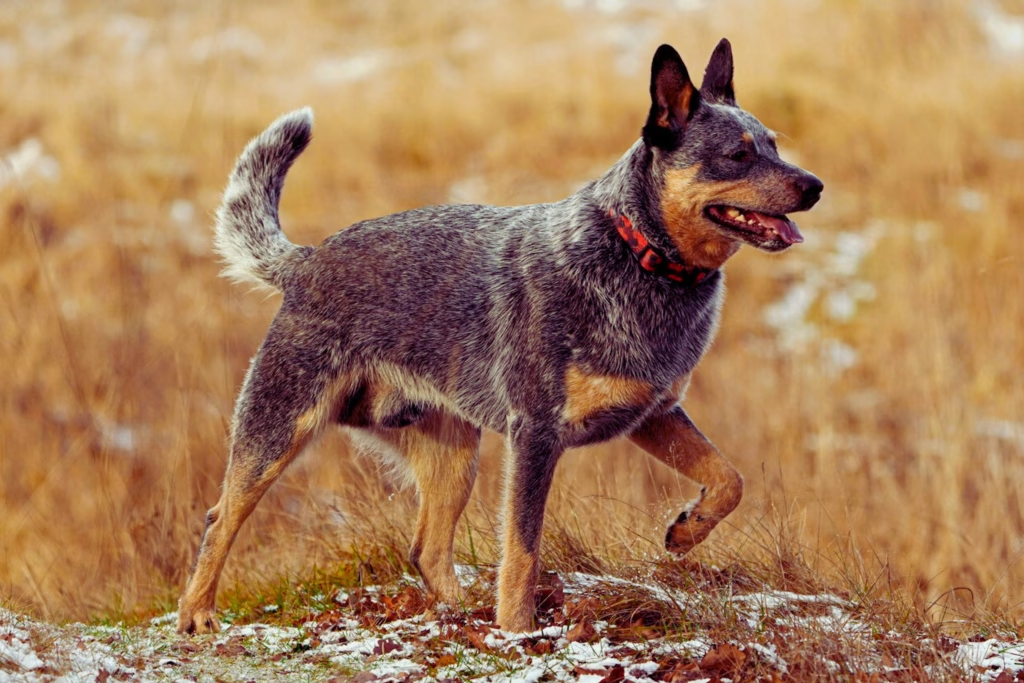
This breed is often cited among the healthiest dogs in the world. Built for long days of physical work, Australian Cattle Dogs are muscular, mentally sharp, and remarkably durable. With proper exercise and stimulation, many live well into their teens.
Their strength comes from purposeful breeding rather than appearance-driven traits.
2. Border Collie

Border Collies combine intelligence with athletic balance. Their bodies are lean but powerful, designed for agility rather than bulk. While mental stimulation is essential for their well-being, they tend to have fewer structural health issues than many popular breeds.
A well-exercised Border Collie often stays active and alert well into old age.
3. Poodle (Standard, Miniature, and Toy)

Poodles are frequently overlooked in health discussions because of their grooming needs, but genetically they are among the strongest breeds. Across all sizes, poodles are known for longevity, adaptability, and relatively low rates of inherited disease when responsibly bred.
Their athletic origins matter more than their elegant appearance.
4. Basenji

Basenjis are compact, agile, and naturally clean dogs with a long history as hunters. Their simple body structure and independence contribute to fewer chronic health problems compared to many modern breeds.
They do best with experienced owners who respect their unique personality.
5. Whippet

Whippets are slim, fast, and surprisingly resilient. Unlike heavier dogs, their lightweight build puts less pressure on joints and internal organs. Many Whippets remain playful and comfortable well into their senior years.
They are often calmer indoors than people expect.
6. Beagle

Beagles are sturdy, compact dogs with a strong constitution. While they can be prone to weight gain if overfed, their underlying health is generally solid. When kept active and mentally engaged, Beagles often enjoy long, stable lives.
7. Shiba Inu

Shiba Inus are known for independence and physical resilience. Their moderate size and well-balanced build reduce strain on joints and the respiratory system. With responsible breeding and good care, they often remain robust into old age.
What About Mixed-Breed Dogs?
Mixed-breed dogs frequently benefit from genetic diversity, which can reduce the risk of inherited disorders common in tightly bred purebreds. Many veterinarians observe that mixed dogs often experience fewer chronic conditions, though this varies widely depending on ancestry and care.
Health still depends on nutrition, exercise, and preventive vet care, not just genetics.
Breeds Often Linked to Health Challenges
Some popular breeds struggle not because of bad owners, but because of physical traits that compromise health. Flat-faced dogs may have breathing difficulties, while very large breeds often face joint and heart problems earlier in life.
How to Support Long-Term Health in Any Breed
Regardless of breed, the biggest health predictors are:
- maintaining a healthy weight
- providing daily physical and mental activity
- regular veterinary checkups
- choosing ethical breeders or reputable rescues
A well-cared-for dog of almost any breed can live a fulfilling, comfortable life.
Final Thoughts
Searching for the healthiest dog breeds is really about planning for a future with fewer limitations, less suffering, and more shared years. Breeds developed for balance, function, and endurance tend to age more gracefully, but health is never just about genetics.
The healthiest dog is ultimately the one whose needs are understood, respected, and met every day.
Choosing thoughtfully is one of the first acts of care you can offer a dog, and one that shapes your journey together from the very beginning.
Related:
- 10 Dog Breeds That Stay Calmer When Left Alone at Home
- Why Your Dog Suddenly Barks at Nothing: Real Causes and What to Do
- 7 Simple Ways to Celebrate National Pet Day That Your Pets Will Actually Enjoy
- Why Dogs Sleep Facing the Door: Pack Guarding Instincts
- Sphynx and Scottish Fold Cats Banned in Some Countries: What Owners Should Know
One thought on “Healthiest Dog Breeds to Consider If You Want Fewer Vet Visits and a Longer Life Together”