

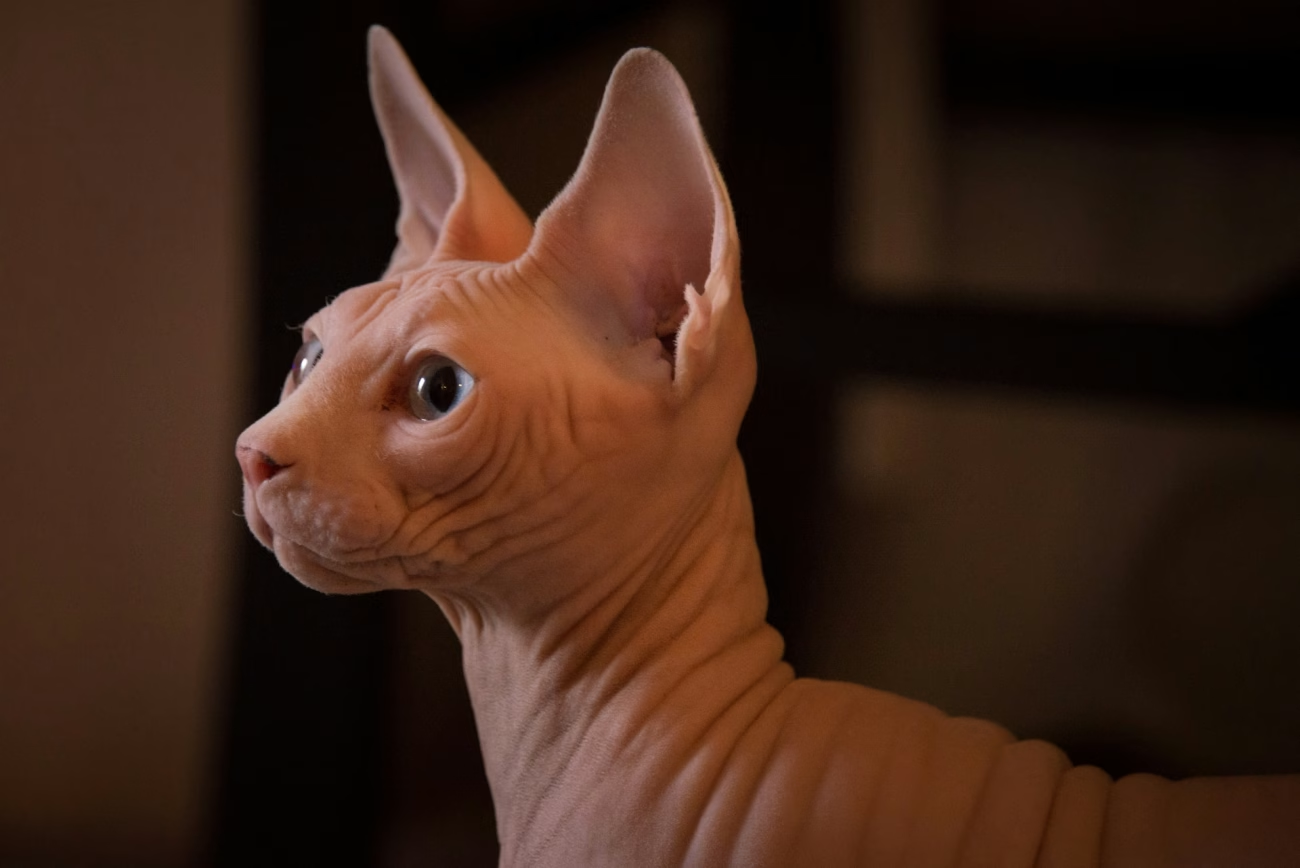
In recent years, animal welfare laws in Europe have begun to change how certain cat breeds are viewed. One of the most debated developments is the decision by some countries, including the Netherlands, to ban the breeding of specific cat breeds starting in 2026. Among the breeds affected are the Sphynx and the Scottish Fold.
These bans are not about behavior, temperament, or popularity. They are based on growing evidence that the defining traits of these breeds are directly linked to long-term health problems and reduced quality of life.
For cat owners and future adopters, understanding the reasons behind these bans is essential.
Why Are Sphynx and Scottish Fold Cats Being Banned?
The core issue is genetic suffering.
Selective breeding has focused on extreme physical traits that look appealing to humans but interfere with normal feline biology. In both the Sphynx and Scottish Fold, the traits that define the breed are inseparable from health risks.
The Scottish Fold carries a genetic mutation that alters cartilage development. While this mutation creates the breed’s signature folded ears, it also affects joints throughout the body. Many Scottish Folds develop early-onset arthritis, stiffness, chronic pain, and difficulty moving, sometimes while still young.
The Sphynx, known for its hairless body, lacks the natural protection that fur provides. Without fur, these cats struggle with temperature regulation and are more prone to skin injuries, sun damage, and dermatological conditions. Their bodies rely heavily on controlled indoor environments to remain comfortable and safe.
In both cases, the physical appearance is directly tied to lifelong management challenges.
What the Ban Actually Means
These bans do not make it illegal to own a Sphynx or Scottish Fold. They focus on breeding, not existing pets.
The goal is to prevent future generations from being born with predictable health issues. Authorities and veterinary experts argue that continuing to breed animals whose traits cause pain or medical dependency is no longer ethically acceptable.
This approach follows similar discussions around flat-faced dogs and other animals bred with exaggerated features that impair breathing, movement, or comfort.
Why This Matters Even Outside Europe
When one country officially recognizes certain breeding practices as harmful, it often influences public opinion and policy elsewhere. These decisions tend to reshape how veterinarians, breeders, and pet owners think about responsibility.
Many people assume that if a breed is common or popular online, it must be healthy. These bans challenge that assumption and encourage a shift toward welfare-based choices rather than appearance-based trends.
What Current Owners Should Be Aware Of
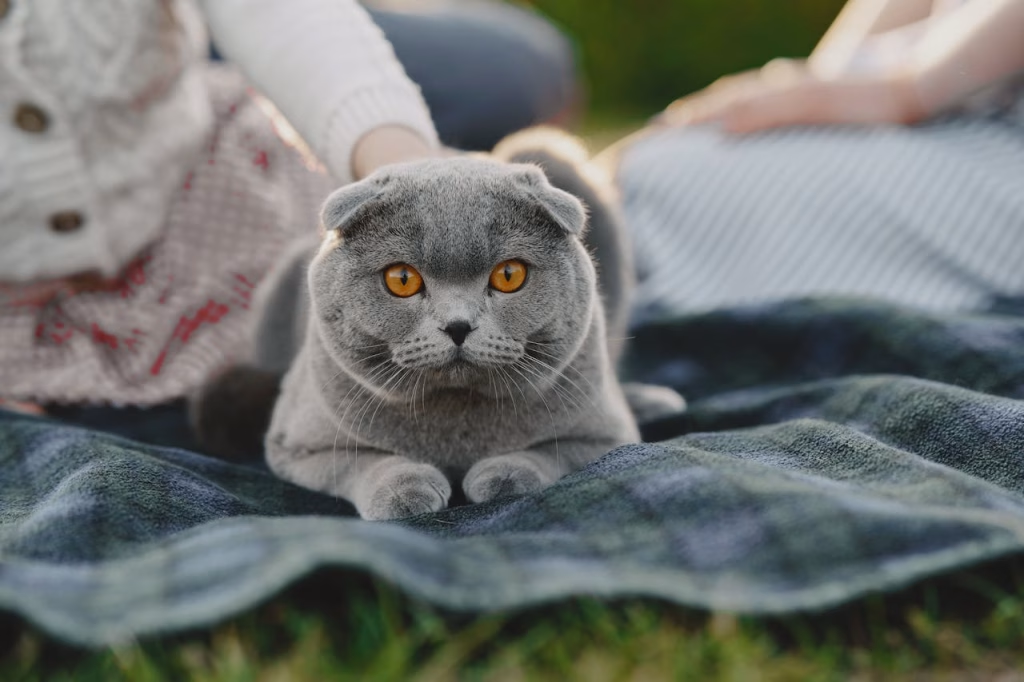
If you already live with a Sphynx or Scottish Fold, this is not a judgment on ownership. Many of these cats are deeply loved companions.
However, owners should be especially attentive to early warning signs:
- Reduced mobility or stiffness in Scottish Folds
- Skin irritation, temperature sensitivity, or frequent infections in Sphynx cats
Proactive veterinary care, enriched indoor environments, and careful monitoring can help manage these risks, even though they cannot remove the underlying genetic causes.
Rethinking What Makes a Healthy Cat
From a biological perspective, cats are built for agility, balance, grooming, and thermal regulation. Breeds that preserve these functions tend to experience fewer chronic health issues.
Cats whose bodies align closely with natural feline anatomy often require less medical intervention and experience lower levels of long-term stress. This is why mixed-breed cats and responsibly bred lines are frequently considered more resilient.
Choosing a cat is not only about personality or appearance. It is also about the life that animal will live years down the line.
A Shift Toward Welfare-First Pet Choices
The banning of Sphynx and Scottish Fold breeding reflects a broader change in how society defines responsible pet ownership. The focus is moving away from novelty and toward comfort, mobility, and long-term well-being.
These decisions signal an important message: animals should not be shaped primarily to satisfy human preferences if those preferences cause harm.
As awareness grows, future pet choices are likely to prioritize health, function, and quality of life over extreme physical traits.
Frequently Asked Questions
Are Sphynx cats illegal to own?
No. The bans apply to breeding, not ownership.
Why are Scottish Fold cats considered unhealthy?
The gene that causes folded ears also affects joints, often leading to painful arthritis.
Will other cat breeds be banned in the future?
Possibly, if strong evidence shows that specific traits consistently cause suffering.
Is adopting a mixed-breed cat safer?
Mixed-breed cats often have fewer inherited health problems and more balanced physical traits.
Related:
- Why Do Cats Bite During Petting? Understanding Overstimulation
- 10 Dog Breeds That Stay Calmer When Left Alone at Home
- Penguins That Mate for Life: Myths and Truths About Loyalty in the Cold
- Feeding the Winter King: 5 Essential Foods for Backyard Squirrels
- Rabbit Enrichment Ideas That Prevent Destructive Chewing