

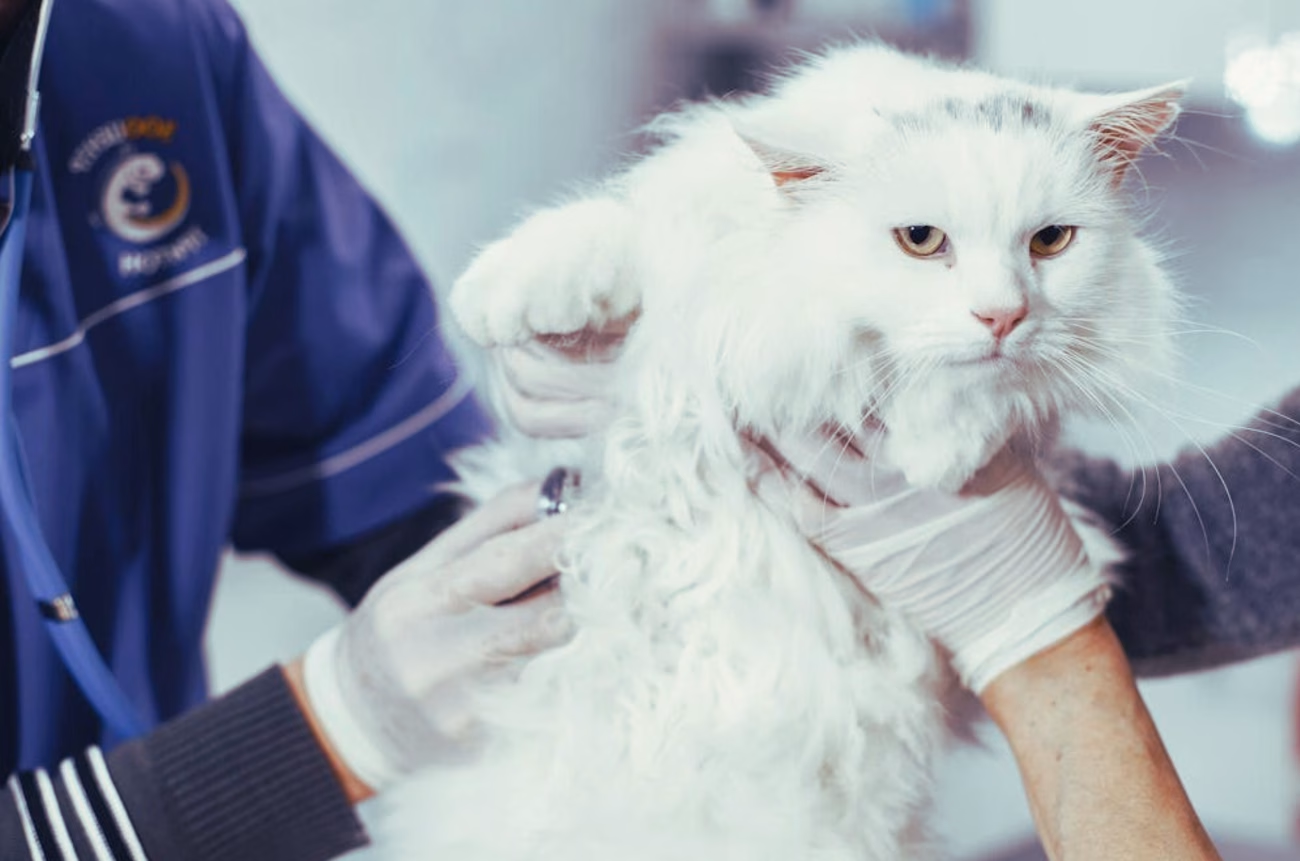
Every pet owner faces this moment: something feels off, but you’re not sure if it’s serious enough to call the vet. Maybe your dog skipped a meal. Maybe your cat is hiding more than usual. You don’t want to overreact, but you also don’t want to miss something important.
This guide is designed to remove guesswork. It won’t replace professional care, but it will help you decide when to wait, when to monitor, and when to act immediately.
Why Waiting Can Be Risky
Animals are experts at hiding pain. In the wild, showing weakness attracts predators. That instinct still exists in pets today. By the time symptoms become obvious, a condition may already be advanced.
Calling the vet early does not mean panic. It means prevention. Many serious issues start with mild signs that are easy to dismiss.
Signs That Always Warrant a Vet Call
Some symptoms should never be ignored, even if they appear suddenly or seem mild at first.
Difficulty breathing, persistent vomiting, collapse, seizures, uncontrolled bleeding, or sudden inability to walk all require immediate veterinary attention.
Other urgent signs include:
- Severe lethargy or unresponsiveness
- Pale or blue gums
- Crying in pain or sudden aggression
- Bloated or hard abdomen
- Ingestion of toxic substances
If your instinct says “this isn’t normal,” trust it.
Symptoms That Depend on Duration and Pattern
Not every symptom is an emergency, but context matters.
Skipping one meal may not be concerning. Skipping meals for more than 24 hours, especially in cats, requires a vet call.
Occasional diarrhea can happen. Diarrhea lasting more than a day, containing blood, or paired with lethargy should be evaluated.
Mild limping after play may resolve with rest. Limping that worsens, lasts more than a day, or causes obvious pain should not be ignored.
The key question is not just what you see, but how long it lasts and whether it improves.
Behavioral Changes Are Medical Clues
Behavioral shifts are often early signs of illness.
A normally social cat that hides constantly, a playful dog that avoids movement, or a calm pet that suddenly becomes irritable may be experiencing discomfort.
Changes in sleep patterns, litter box habits, grooming, or interaction are meaningful. These signs are easy to mislabel as “mood,” but they often reflect physical issues.
When Monitoring at Home Is Reasonable
Short-term monitoring is appropriate when symptoms are mild, isolated, and improving.
Examples include:
- Slight appetite reduction for less than a day
- Minor vomiting that does not repeat
- Temporary low energy after exertion
During monitoring, conditions should clearly improve, not remain static or worsen. Keep notes. Changes are easier to assess when tracked.
If there is no improvement within 24 hours, a vet call is the next step.
Special Cases: Puppies, Kittens, and Seniors
Young and senior pets have less margin for error.
Puppies and kittens can decline rapidly due to dehydration, infection, or low blood sugar. Senior pets may have underlying conditions that complicate recovery.
For these age groups, calling the vet sooner rather than later is the safer approach, even for symptoms that might be monitored in adult pets.
After-Hours Concerns and Emergency Clinics
If something happens outside regular clinic hours, do not wait simply because it’s inconvenient.
Emergency clinics exist for a reason. If a symptom would worry you during the day, it should worry you at night too.
When in doubt, calling an emergency clinic for guidance is appropriate. Many will help you decide whether an immediate visit is necessary.
You Are Not Wasting the Vet’s Time
One of the most common reasons owners delay care is fear of “bothering” the vet.
Veterinary professionals would rather reassure you early than treat a preventable crisis later. A phone call can often clarify next steps without requiring an immediate visit.
Your role is not to diagnose. Your role is to notice change.
FAQ:
When should I call the vet for my pet?
You should call the vet if symptoms are sudden, severe, worsening, or affect breathing, movement, eating, or behavior.
Is it okay to wait before calling the vet?
Waiting is only reasonable for mild symptoms that improve within 24 hours. If there is no improvement, call the vet.
What pet symptoms are emergencies?
Difficulty breathing, seizures, collapse, uncontrolled bleeding, repeated vomiting, and severe lethargy are emergencies.
Should I call the vet for behavior changes?
Yes. Sudden behavior changes often signal pain or illness, especially in cats and senior pets.
Am I bothering the vet if I call too early?
No. Vets prefer early calls that prevent complications rather than delayed emergency visits.
Related:
- Why Does My Dog Lick Their Paws Constantly? Behavior Explained
- Dog Dental Care Basics: Bad Breath, Tartar, and What Helps
- DIY Sniffari: Build a Home Nose-Work Trail (Vet-Safe)
- Feeding the Winter King: 5 Essential Foods for Backyard Squirrels
- Penguins That Mate for Life: Myths and Truths About Loyalty in the Cold
One thought on “When Should You Call the Vet? A Simple Decision Guide”