

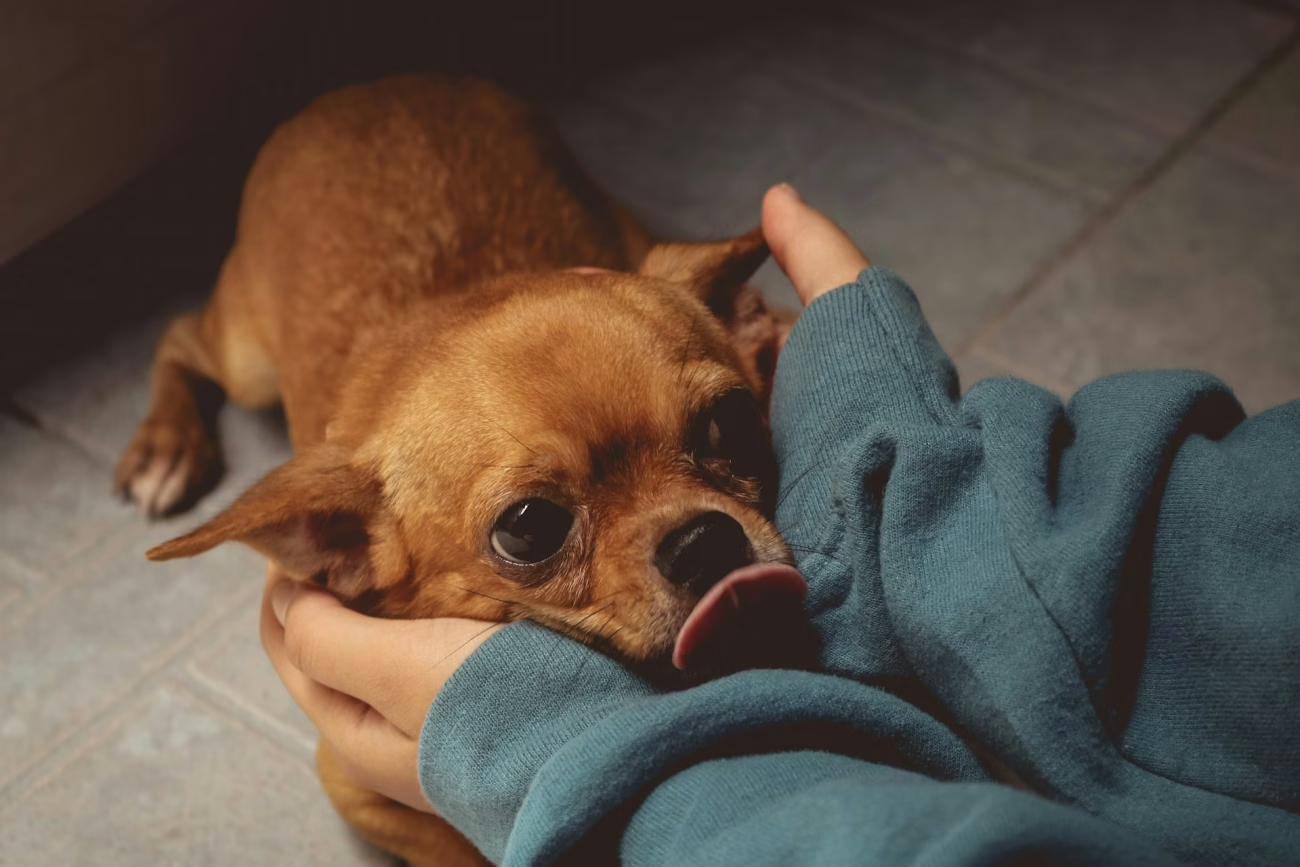
You stand up to get water, and your dog rises immediately. You walk to another room, and your dog appears behind you within seconds. You close the bathroom door, and paws wait outside. Many owners notice this behavior suddenly and wonder if something is wrong.
Dogs often follow their owners for normal reasons such as attachment, routine, curiosity, or learned habits. In some cases, sudden shadowing behavior can be linked to stress, changes in the home, boredom, aging, or discomfort. The key is to look at timing, intensity, and other changes in behavior. If your dog seems distressed, clingy, restless, or unwell, a veterinary check is wise.
Quick Answer
If your dog follows you everywhere, they usually feel connected to you and expect something rewarding such as attention, food, walks, or activity. Dogs also rely on patterns, so if you often move and then interact with them, they learn to track you. When the behavior starts suddenly or becomes intense, anxiety, pain, vision decline, cognitive changes, or environmental stress may play a role.
Why Does My Dog Follow Me Everywhere?
Dogs are social animals that pay close attention to people they trust. Following behavior often develops because staying near you has repeatedly led to positive outcomes. Over time, your movement becomes a cue that something may happen next.
That does not always mean dependence. Many dogs simply like being near their person while feeling calm and secure. The real question is whether your dog follows casually or seems unable to settle alone.
Common Behavioral Causes
1. Strong Attachment and Social Bonding
Many dogs choose proximity because it feels safe and rewarding. If you are the person who feeds, walks, trains, and comforts the dog, they may naturally track you more than other household members.
2. Reinforced Habit
If following you often leads to treats, petting, walks, outdoor access, or play, the behavior strengthens quickly. Even speaking to your dog every time they trail behind you can reinforce the pattern.
3. Curiosity and Supervision
Some dogs want to know what happens next. They monitor movement in the home because it may predict food preparation, visitors, toys, or outdoor time.
4. Breed Tendencies
Certain breeds developed to work closely with humans may stay near their owners more often. Herding, sporting, and companion breeds commonly show this pattern.
5. Lack of Independence Skills
If a dog rarely spends calm time alone, they may depend on constant proximity to relax. This often appears in dogs that receive attention whenever they seek it.
Environmental Causes
1. Recent Changes at Home
Dogs notice schedule changes quickly. A move, new baby, visitor, another pet, remote work changes, or altered routines can increase following behavior because the dog seeks predictability.
2. Boredom and Understimulation
A dog with unused physical or mental energy may follow you because you are the most interesting event in the house. This is common in active dogs with limited enrichment.
3. Stressful Noises or Events
Construction sounds, storms, neighborhood activity, or tension in the household can make a dog seek your presence more often.
Possible Medical Causes
Sudden clinginess can sometimes be linked to health issues. Dogs often change behavior before obvious physical signs appear.
1. Pain or Discomfort
A dog with joint pain, stomach upset, or general discomfort may stay close for reassurance. They may also hesitate to lie down or move normally.
2. Vision or Hearing Changes
If a dog sees or hears less clearly, they may rely on staying near you to navigate daily life.
3. Cognitive Changes in Senior Dogs
Older dogs may become more dependent, restless, or confused. Following owners from room to room can appear with age-related cognitive decline.
4. Increased Thirst or Bathroom Needs
Some medical conditions increase drinking or urination. A dog may follow you because they need access outside more often or want help.
How to Tell if It Is Normal or a Problem
Normal following usually looks relaxed. Your dog trails behind you, then settles nearby and can rest alone when needed.
Concerning following often looks tense or excessive. The dog may panic when doors close, pace constantly, whine, scratch barriers, refuse to eat alone, or seem unable to rest unless touching you.
What You Can Do
Build Calm Independence
Teach your dog that distance is safe and rewarding. Ask them to rest on a bed or mat a few feet away while you move briefly around the room. Return before they become anxious and reward calm behavior.
Create Predictable Routines
Dogs cope better when daily events feel stable. Feed, walk, train, and rest at similar times when possible.
Increase Enrichment
Use food puzzles, sniff games, short training sessions, and structured walks. Mental work often reduces shadowing caused by boredom.
Reward Settling, Not Constant Following
If your dog lies calmly on their bed while you move around, reward that choice. This teaches independence without punishment.
Use Gradual Separation Practice
Walk into another room for a few seconds, then return calmly. Increase time slowly as your dog succeeds.
Practical Steps You Can Start Today
Step 1. Track the Pattern
Write down when your dog follows most. Before meals, before walks, at night, during noise, or after schedule changes. Patterns reveal the cause.
Step 2. Add Two Short Enrichment Sessions
Use one morning sniff activity and one evening training or puzzle session. Many dogs improve when their day includes purposeful activity.
Step 3. Practice Place Training
Send your dog to a mat for 10 to 30 seconds while you move nearby. Reward calm staying.
Step 4. Avoid Constant Accidental Reinforcement
If your dog follows every step, do not respond every time. Instead, reward calm resting moments.
Step 5. Evaluate Health Changes
If appetite, sleep, mobility, thirst, bathroom habits, or mood changed too, schedule a veterinary exam.
Mistakes to Avoid
- Punishing your dog for following. This may increase stress.
- Giving attention every single time they shadow you.
- Ignoring sudden clinginess in an older dog.
- Expecting instant independence after months of habit.
- Providing only physical exercise and no mental enrichment.
When to Worry
Contact a veterinarian if your dog suddenly becomes unusually clingy and also shows any of these signs:
- Loss of appetite
- Vomiting or diarrhea
- Limping or stiffness
- Night restlessness
- Excessive thirst or urination
- Confusion or staring
- Whining, shaking, or panic when separated
- Major personality change
You should also seek help from a qualified trainer or behavior professional if separation distress appears when you leave the house.
FAQ
Why does my dog follow me and not my partner?
Dogs often follow the person most linked to daily rewards, comfort, or routine. Feeding, walks, training, and time spent together usually matter more than ownership.
Why does my dog suddenly follow me everywhere?
Sudden change often points to a new trigger such as schedule disruption, stress, pain, aging changes, or increased dependence after more time together.
Is my dog too attached to me?
If your dog can relax alone, eat independently, and stay calm when separated briefly, attachment is usually normal. Panic or inability to settle may need support.
Should I ignore my dog when they follow me?
Do not ignore the dog completely. Instead, reward calm independent behavior and build confidence gradually.
Conclusion
If your dog follows you everywhere, the behavior often reflects bonding, routine, or learned expectations. When it appears suddenly or becomes intense, look for stress, boredom, aging, or health changes. Track patterns, build independence skills, and increase enrichment. If other symptoms appear, involve your veterinarian early.
This article is for educational purposes only and does not replace professional veterinary advice. If your pet shows persistent, severe, or unusual symptoms, consult a licensed veterinarian promptly.