

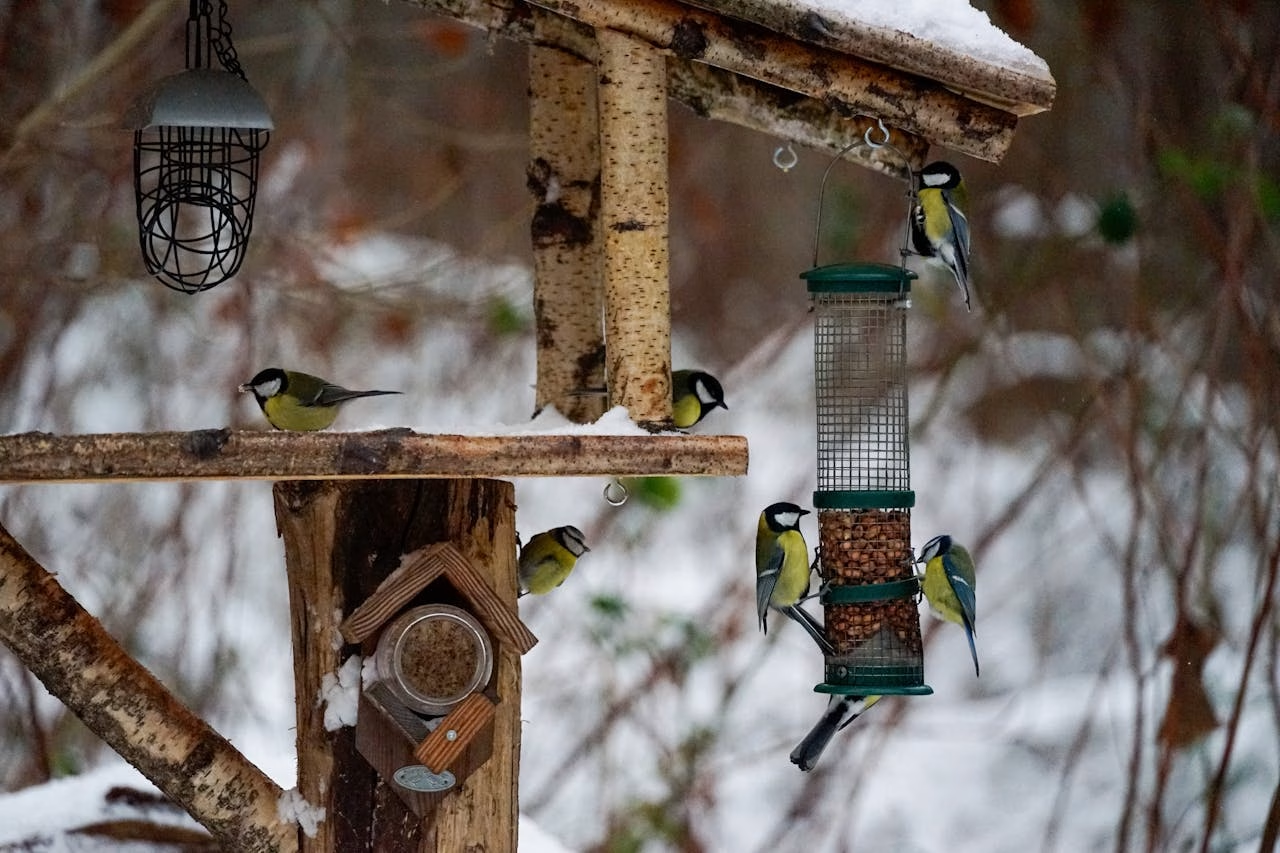
Winter is one of the most challenging seasons for wild birds. As temperatures drop, food becomes scarce, water freezes, and shelter options shrink. For many species, surviving winter is not about comfort—it is about endurance. Every calorie matters, and every safe resting place can make the difference between life and death.
Humans can play a quiet but meaningful role during this season. With a few informed actions, it is possible to support birds without disrupting their natural behaviors or creating dependence.
Why Winter Is So Hard on Birds
Birds burn enormous amounts of energy just to stay warm. On cold nights, they must maintain body heat while conserving enough strength to search for food the next morning.
In winter, natural food sources such as insects, seeds, and berries become limited or inaccessible under snow and ice. Shorter daylight hours reduce foraging time, and frozen water sources add another layer of difficulty.
Young birds, smaller species, and migratory birds that remain in colder regions are especially vulnerable.
Feeding Birds the Right Way in Winter
Providing food can help birds survive extreme cold, but what you offer matters.
High-energy foods are essential. Fats and oils provide more energy than carbohydrates and are easier for birds to metabolize in freezing temperatures. Suet, black oil sunflower seeds, and peanuts are among the most effective winter foods.
Consistency is important. Birds quickly learn where reliable food sources are located. If you begin feeding during winter, maintaining that food supply through cold spells helps birds plan their daily energy use.
Cleanliness should not be overlooked. Moldy or wet food can cause illness. Feeders should be checked regularly, especially after snow or rain.
Water: The Often-Forgotten Lifeline
Food alone is not enough. Birds also need access to liquid water, which becomes rare in freezing conditions.
A shallow bird bath refreshed daily can be lifesaving. Heated bird baths are especially effective, but even breaking surface ice once or twice a day provides critical drinking opportunities.
Water is used not only for drinking but also for feather maintenance, which directly affects insulation and warmth.
Shelter Protects Energy, Not Just Bodies
Shelter allows birds to conserve energy. Dense shrubs, hedges, evergreen trees, and brush piles offer protection from wind and predators.
Birdhouses are not always used for nesting in winter, but roosting boxes designed for cold weather can provide shared warmth, especially for small birds that huddle together overnight.
Leaving some parts of your garden “messy” during winter — fallen leaves, seed heads, and plant stems — creates natural shelter and food sources.
What Not to Do When Helping Birds
Good intentions can sometimes cause harm.
Feeding bread, salted foods, or processed scraps provides little nutrition and can damage bird health. Offering food only occasionally during severe weather without consistency can also increase stress.
Disturbing roosting birds, trimming hedges, or removing natural cover during winter forces birds to expend energy finding new shelter at the worst possible time.
Small Actions, Real Impact
Helping birds survive winter does not require large investments or constant intervention. It requires awareness.
A feeder placed thoughtfully, a water source kept ice-free, and respect for natural shelter can collectively support dozens of birds through the coldest months.
Most importantly, winter care should complement nature, not replace it. Birds remain wild animals, adapted to seasonal challenges. Human support works best when it fills gaps created by urbanization, habitat loss, and extreme weather.
Winter Support Is Conservation at Home
Supporting birds during winter is not just an act of kindness. It is a form of everyday conservation. Many bird populations face pressure from climate change, shrinking habitats, and unpredictable weather patterns.
By making winter slightly less hostile, humans can help birds arrive at spring stronger, healthier, and ready to breed.
Sometimes, survival begins with something as simple as a seed, a drop of water, and a safe place to rest.
FAQ:
How can I help birds survive winter?
You can help birds survive winter by providing high-energy food, access to unfrozen water, and safe shelter from wind and predators.
What is the best food for birds in winter?
High-fat foods such as suet, black oil sunflower seeds, and peanuts provide the energy birds need to stay warm.
Do birds need water in winter?
Yes. Birds need liquid water year-round. In winter, breaking ice or using a heated bird bath can be lifesaving.
Do birds use nests in winter?
No. Birds do not nest in winter. They rely on shelter such as dense shrubs, evergreen trees, and roosting boxes to conserve heat.
Is it safe to feed birds all winter?
Yes, as long as feeders are kept clean and food is provided consistently during cold periods.
Related:
- Feeding the Winter King: 5 Essential Foods for Backyard Squirrels
- Sphynx and Scottish Fold Cats Banned in Some Countries: What Owners Should Know
- Penguins That Mate for Life: Myths and Truths About Loyalty in the Cold
- Why Do Cats Bite During Petting? Understanding Overstimulation
- 10 Dog Breeds That Stay Calmer When Left Alone at Home